
The story of Elvis Presley 1976–1977 tour remains one of the most emotional and debated chapters in the history of Oldies music. For fans of classic American rock and roll, this period represents both the enduring power of Elvis as a performer and the heartbreaking signs of a legend in decline. While Elvis remained a global icon, his final years on the road revealed a man caught between his extraordinary legacy and a body that could no longer keep pace with demand.
This article explores the final touring era of Elvis Presley, a time marked by relentless travel, physical deterioration, and unforgettable stage appearances that would later become symbolic of the end of the golden age of American rock music.
The Weight of a Legend in Motion
By the mid-1970s, Elvis Presley was no longer the youthful “King of Rock and Roll” who had revolutionized music in the 1950s. Instead, he was an aging superstar still performing under the enormous expectations of global fame. Between March 1976 and June 1977, Elvis spent approximately 141 days on tour across the United States, alongside extended engagements in Las Vegas and Lake Tahoe.
This relentless schedule would have challenged even a younger, healthier performer. For Elvis, it became a physical and emotional burden that shaped the final chapter of his career.
His performances during this time were still filled with charisma, but reviewers increasingly noted visible changes. The once explosive stage presence had become slower, more restrained, and often inconsistent. Yet audiences continued to adore him, clinging to the memories of his peak years.
Early Signs of Decline on the 1976 Tour
In March 1976, Elvis launched a multi-state tour across the American Southeast. Early reviews already reflected concern about his appearance and mobility. Critics described noticeable weight gain and reduced movement on stage, though his voice still carried moments of strength and familiarity.
One review from the Cincinnati Enquirer described Elvis in harsh physical detail, noting that his legendary hip movements had become largely symbolic rather than active. Despite this, fans still filled arenas, eager to witness the King in person.
At this stage, Elvis was still capable of commanding attention, but the contrast between past and present was becoming increasingly difficult to ignore.
A Mixed Critical Response Across America
As the 1976 tour continued, reactions from critics varied widely depending on the venue and performance.
Some reviewers remained loyal and optimistic. In Kansas City, Elvis was still described as one of the most charismatic entertainers in America. Others in Omaha noted that while he had gained weight, his presence still carried authority and emotional impact.
However, not all commentary was forgiving. In Long Beach, one critic described the performance as a fading echo of a once-great legend, comparing Elvis to a “chubby puppet” moving through familiar songs. Such descriptions reflected a growing tension between nostalgia and reality in Oldies music culture, where legendary figures often perform long after their peak.
The Physical and Emotional Strain of Touring
Elvis’s schedule allowed little recovery time. Even short breaks were filled with personal and professional stress, including health issues and legal pressures. The demands of constant touring began to show clearly in his performances.
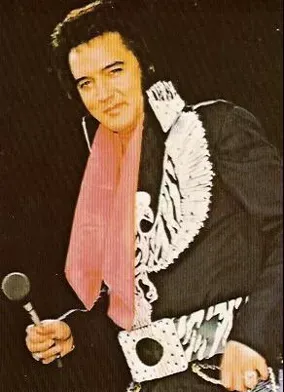
By mid-1976, reviewers increasingly noted fatigue, slower pacing, and reduced vocal consistency. In Bloomington, Indiana, one writer remarked that Elvis seemed less concerned with appearance and more focused on simply completing the show. In Maryland, another critic described a performance where Elvis appeared exhausted, with limited interaction and reduced energy.
Still, audiences remained loyal. For many fans, seeing Elvis live—even in a diminished state—was a once-in-a-lifetime experience that outweighed critical judgment.
Between Recovery and Relapse: Late 1976 Hope
By late 1976, there were brief moments of optimism. Some performances suggested improvement in Elvis’s condition. In Chicago and Atlanta, reviewers noted weight loss, better vocal control, and increased stage confidence.
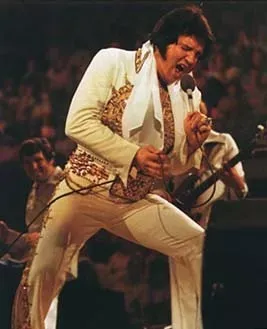
For a short time, it seemed possible that Elvis might regain stability. Critics even suggested that improved discipline could positively influence his recording career. Fans hoped this marked a turning point.
However, these improvements proved temporary. Beneath the surface, Elvis’s health continued to fluctuate, and the pressures of touring remained unchanged.
The Final Stretch: 1977 Performances
By early 1977, Elvis’s condition had visibly worsened again. Reviews from this period are often difficult to read, even for devoted fans. Critics described performances that felt incomplete, with reduced energy and limited engagement with the audience.
In Alexandria, Louisiana, Elvis reportedly stayed on stage for less than an hour and spoke very little between songs. In other cities, shows were shortened or interrupted due to illness and exhaustion.
A particularly troubling moment came during a performance in St. Paul, where Elvis had to pause repeatedly for water and assistance, signaling a clear decline in physical endurance.
Despite this, he continued touring, fulfilling scheduled performances across multiple states.
The Final Shows and Public Perception
By the last months of his life, Elvis’s concerts had become emotionally complex experiences. Fans still cheered loudly, but critics increasingly described performances as fragmented and weary.
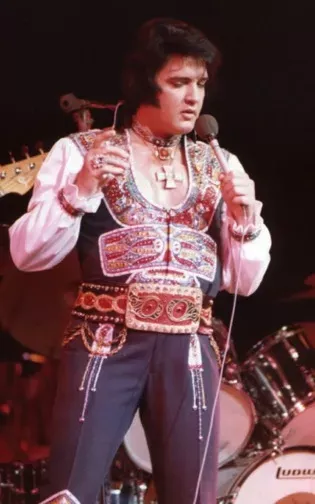
In Cincinnati in June 1977, one reviewer issued a direct plea for Elvis to retire, describing the performance as lifeless and emotionally draining. The review reflected a growing consensus among critics: the King’s stage career had reached its natural end.
Yet Elvis continued to perform, driven by obligation, habit, and the expectations of audiences who still filled every seat.
The Cultural Impact on Oldies Music
Elvis Presley’s final touring years are not just a personal story—they are a defining moment in Oldies music history. This era illustrates how deeply audiences can remain attached to cultural icons, even as those icons visibly age and change.
The 1976–1977 tours also highlight a broader truth about the entertainment industry: legends often continue performing long after their peak, sustained by nostalgia and public demand. Elvis became a symbol of both enduring fame and the human limits behind it.
Could Anything Have Changed the Outcome?
One of the most debated questions in music history is whether Elvis could have been saved from his final decline. Many observers suggest that stepping away from touring might have improved his health. However, the reality is complex.
Elvis was bound by a combination of professional commitments, management decisions, and overwhelming public demand. Fans continued attending concerts, and promoters continued scheduling shows. The system that elevated him also made it difficult for him to stop.
In this sense, Elvis was not only a performer but also a product of the Oldies music machine that depended on his constant presence.
Conclusion: The Last Echo of the King
The Elvis Presley 1976–1977 tour stands as a powerful reminder of both the brilliance and fragility of musical legends. While his final performances showed clear signs of physical decline, they also demonstrated his unwavering connection with audiences who never stopped believing in him.
Elvis Presley remains one of the most influential figures in American music history. His final tour years, though heartbreaking, add depth to his legacy—showing not only the rise of a king but also the human cost of enduring fame.
For fans of Oldies music, these moments are not just memories of decline, but reflections on the enduring power of a voice that once changed the world.
Explore more classic legends and rediscover the timeless sound of Elvis Presley and the golden era of American rock and roll.
References
Hanson, A. (2016). The Long, Dark Road … Elvis on Tour in 1976–77. Elvis History Blog.