Elvis Presley’s appearances on The Ed Sullivan Show represent one of the most defining moments in the history of Oldies music and American pop culture. During the mid-1950s, television was becoming the most powerful medium in the United States, and Elvis—then a young and controversial rock and roll performer—used it to transform not only his career but also the entire direction of modern entertainment. The phrase Elvis Presley on The Ed Sullivan Show is now synonymous with cultural revolution, youth rebellion, and the birth of a new musical era that would influence generations to come.
This story is not only about music. It is about a shifting America, where traditional values met the explosive energy of rock and roll. Elvis became the face of that transformation.
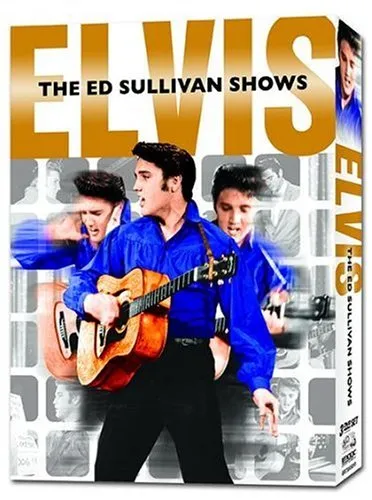
The Cultural Shock of Elvis on Live Television
When Elvis first appeared on national television, America was not ready for what it saw. His performance style—full of energy, movement, and emotional intensity—stood in stark contrast to the conservative entertainment standards of the Eisenhower era. Yet this contrast was exactly what made him unforgettable.
On The Ed Sullivan Show, Elvis reached an audience of more than 60 million viewers, a staggering number at the time. Approximately 82% of all television viewers in the United States tuned in. This was not just a performance; it was a national event.
Elvis combined gospel, country, R&B, and early rock and roll into a sound that felt both familiar and completely new. For young audiences, he represented freedom and identity. For older generations, he symbolized disruption and controversy.
Early Life and Musical Influences
Elvis Presley’s musical foundation was deeply rooted in American gospel traditions. He grew up attending the First Assembly of God church, where he was first introduced to spiritual music that would shape his vocal style and emotional expression.
At the age of eleven, his mother gave him a guitar. Inspired by artists like Jake Hess, Hank Snow, and Roy Acuff, Elvis taught himself to play by ear. His early environment in Memphis, Tennessee exposed him to a rich blend of musical cultures—gospel in church, country on the radio, and rhythm and blues in local communities.
This fusion became the foundation of his signature style. Unlike many performers of his time, Elvis did not belong to a single genre. Instead, he absorbed multiple traditions and reshaped them into something entirely new.
Breaking into National Fame
By 1955, Elvis was already performing across the Southern United States, building a reputation for his electrifying stage presence. His movements, often described as provocative at the time, drew both admiration and criticism.
His breakthrough came when music producer Sam Phillips and Sun Records helped introduce him to a wider audience. Soon after, influential manager Colonel Tom Parker recognized Elvis’s potential and arranged a deal with RCA Victor for an unprecedented sum.
His first major hit, “Heartbreak Hotel,” released in January 1956, quickly became a number-one single. This success opened the door to television appearances that would define his career.
Elvis first appeared on national TV through shows like Stage Show, hosted by the Dorsey brothers, and later The Milton Berle Show. These performances sparked both excitement and controversy, particularly due to his energetic movements during songs like “Hound Dog.”
The Historic Ed Sullivan Show Debut (September 1956)
Despite initial reluctance, Ed Sullivan eventually agreed to feature Elvis on his iconic variety program after competing shows drew massive ratings with the young singer.
On September 9th, 1956, Elvis made his first appearance on The Ed Sullivan Show, although Sullivan himself was recovering from a car accident and unable to host. Actor Charles Laughton introduced Elvis to the national audience.
Elvis performed songs including “Don’t Be Cruel” and “Love Me Tender.” His presence captivated viewers across the country. The performance marked a turning point in television history, blending music, youth culture, and mass media into a single defining moment.
Controversy and Cultural Impact
Elvis’s performances sparked immediate controversy. His movements were considered provocative, and critics accused him of negatively influencing American youth. Some cities even symbolically protested his performances.
Yet the backlash only strengthened his popularity. Teenagers embraced Elvis as a symbol of individuality and rebellion. The more the establishment criticized him, the more powerful his cultural influence became.
The media debate surrounding Elvis also marked a broader cultural shift. Rock and roll was no longer just music—it was a social movement challenging norms, behavior, and generational identity.
Second Appearance and Rising Fame (October 1956)
Elvis returned to The Ed Sullivan Show on October 28th, 1956, this time with Ed Sullivan himself hosting after recovering from his accident.
The performance featured songs like “Hound Dog” and “Love Me Tender.” Once again, Elvis delivered a performance filled with charisma and intensity. The audience reaction was overwhelmingly enthusiastic, reinforcing his status as a national sensation.
Despite continued criticism from parts of the press, his influence only grew stronger. Elvis was no longer just a rising star—he was a cultural force reshaping American entertainment.
Final Appearance and Lasting Legacy (January 1957)
Elvis’s third and final appearance on The Ed Sullivan Show took place on January 6th, 1957. By this time, his fame had reached global proportions.
He performed a wide selection of songs, including “Hound Dog,” “Love Me Tender,” “Heartbreak Hotel,” and even gospel-inspired numbers like “Peace in the Valley.”
CBS, responding to ongoing controversy, instructed that Elvis be filmed mostly from the waist up. Despite this restriction, his performance remained powerful and emotionally charged.
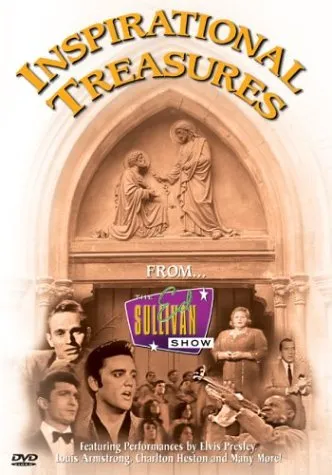 Inspirational music collection featuring classic Ed Sullivan Show performances
At the end of the show, Ed Sullivan himself publicly praised Elvis, calling him a “real decent, fine boy,” marking a symbolic reconciliation between mainstream media and rock and roll culture.
Conclusion: The Enduring Power of Elvis and [keyword]
Elvis Presley’s appearances on The Ed Sullivan Show were more than television performances—they were cultural milestones that reshaped American music and society. His blend of gospel emotion, country storytelling, and rock and roll energy helped define the golden era of Oldies music and cemented his place as a global icon.
Even decades later, Elvis remains one of the most influential figures in music history. His legacy continues to inspire artists, entertainers, and audiences around the world.
The story of Elvis on The Ed Sullivan Show is ultimately a story of transformation—of music, media, and culture itself. To truly understand the roots of modern popular music, one only needs to revisit these historic performances and experience the moment when everything changed.
Explore more timeless performances and rediscover the roots of rock and roll—because the legacy of Elvis Presley and [keyword] is still alive today.