
For enthusiasts of Oldies music and American cultural history, few artifacts hold as much mystique as the personal possessions of Elvis Presley. Among the most extravagant relics of his career are two iconic aircraft: the Lisa Marie and Hound Dog II. These planes are more than mere transportation; they are time capsules representing the peak of 1970s luxury and the unparalleled stardom of the King of Rock ‘n’ Roll. For decades, they have stood as silent monuments at Graceland, drawing fans eager to connect with the golden era of American music. Their story—from the heights of glamour to the brink of being sold and back again—captures the enduring fascination with Elvis and the preservation of his legacy.
The Legendary Aircraft: More Than Just Private Jets
To understand the significance of these jets, one must first appreciate their scale and the role they played in Presley’s life. They were not merely modes of transport but extensions of his personal kingdom.
The Crown Jewel: Lisa Marie (Convair 880)
Named after his only daughter, the Lisa Marie is the centerpiece of this story. This Convair 880 was a marvel of its time, one of only 65 ever built. Elvis acquired it in 1975 for a staggering $250,000—a sum that would equate to millions today—and immediately set about transforming it into what he called his “Flying Graceland.”
The refurbishment was exhaustive. The singer invested over $800,000 (roughly $4.5 million today) to customize the jet to his exacting specifications. The interior was a masterpiece of 1970s opulence, featuring:
- Plush Sleeping Quarters: A penthouse bedroom with a custom-made queen-size bed.
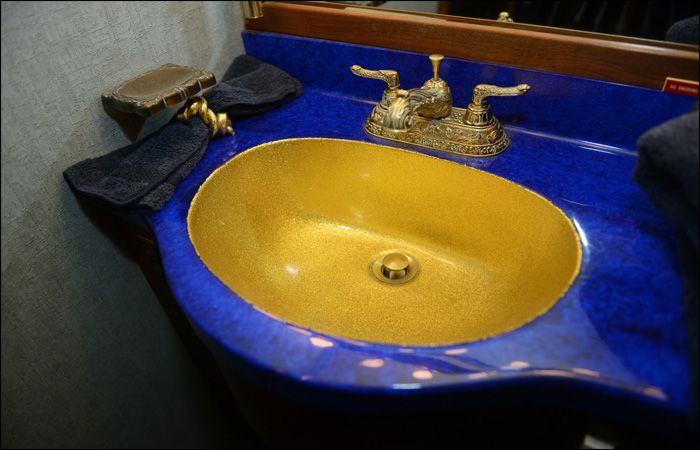
- Executive Bathroom: Gold-plated faucets and washbasins that epitomized the era’s excess.
- Entertainment System: A state-of-the-art (for the time) videotape system linked to four televisions and a stereo system boasting 50 speakers.
- Conference Room: A space designed for conducting business while soaring at 30,000 feet.
This aircraft was not just for show; it was used extensively. It last flew in 1977, a somber journey when it transported Presley’s ex-wife, Priscilla, from California to Memphis for his funeral. This singular event cemented the plane’s place in rock history, transforming it from a symbol of luxury into a sacred artifact of loss.
The Companion: Hound Dog II (Lockheed JetStar)
The smaller of the two jets, Hound Dog II, is a Lockheed JetStar. While less famous than its larger counterpart, it was a vital part of Presley’s fleet. Designed to hold eight to ten passengers, it was often used for shorter trips or as a support vehicle for the larger Convair. Its name, a nod to his 1956 smash hit “Hound Dog,” ties it directly to the soundtrack of the golden era of America music. Together, these two planes offered a complete picture of how the King traveled: with speed, privacy, and unparalleled style.
A History of Preservation and Potential Departure
For over 30 years, these planes were a cornerstone of the Graceland visitor experience. Displayed just across the street from the mansion since 1984, they allowed fans to walk through the same cabins where Elvis entertained guests and plotted his next moves.
However, in 2015, the future of these historic artifacts became uncertain. Reports emerged that the joint-venture agreement between Graceland’s operators and the unnamed owners of the jets was not being renewed. The owners, reportedly seeking to liquidate the assets, demanded the aircraft be removed by April. Consequently, Julien’s Auctions of Beverly Hills—a firm known for handling high-profile entertainment memorabilia—announced the sale of the pair.
The market for such items is unique. As the original article noted, the question arose: “Would anyone spend millions of dollars to buy a pair of old jets that aren’t airworthy and probably never will be?” The answer, for collectors of American music history, was yes. The sealed bidding, which began in January, estimated the pair would fetch between $10 million and $15 million. Potential buyers faced a logistical puzzle. Since the aircraft are not airworthy, moving them would require disassembly and truck transport. The winning bidder was given the option to purchase several acres adjacent to Graceland, allowing them to keep the planes almost exactly where they had stood for decades, preserving the pilgrimage site for fans of music before 1975.
The Legacy Secured: A Permanent Home
For the global community of Oldies music fans, the story reached a happy conclusion that reinforced the importance of historical preservation. The auction never concluded. In a turn of events that highlighted the deep connection between the artifacts and their geographic origin, an agreement was reached to keep the planes at Graceland permanently.
On April 26, 2015, a brief notice posted on the mansion’s website announced that the aircraft would remain. This decision was widely celebrated by preservationists and music historians. It ensured that the Lisa Marie and Hound Dog II would continue to serve as educational tools for future generations, offering an intimate glimpse into the lifestyle of one of the famous America singers who defined the 20th century.
Why This Matters to the Oldies Music Community
For those who cherish Oldies music, preserving the context of the artists’ lives is as important as preserving the songs themselves. Elvis Presley was a cultural force who bridged the gap between rhythm and blues and mainstream pop, creating a sound that still echoes in modern music. His material possessions—from the jumpsuits to the jets—tell a story about the rewards of fame and the pressures of maintaining it.
The Lisa Marie is more than a static display; it is a tangible representation of Elvis’s ingenuity and his desire for control over his environment. Stepping aboard allows fans to feel the weight of his legacy. The jet represents a specific moment in time: the mid-1970s, when Elvis was navigating a complex career, performing to sold-out crowds, and seeking refuge in the sky. By keeping these jets at Graceland, the custodians of his legacy ensure that the narrative of the King remains cohesive and accessible.
Conclusion: The Enduring Flight of Memory
The story of Elvis Presley’s jets is a testament to the enduring power of his brand and the deep emotional investment his fans have in preserving his history. From the gilded bathrooms to the 50-speaker stereo system, every inch of the Lisa Marie and Hound Dog II tells a story of an artist living life on an extraordinary scale.
While these aircraft no longer soar through the clouds, they remain flight-worthy in the realm of cultural memory. Their potential sale reminded the world of the fragility of historic artifacts, but their permanent retention at Graceland reassures us that these icons are safe for future generations to explore.
Whether you are a lifelong devotee of Elvis, a student of the golden era of America music, or a traveler seeking to understand the roots of modern pop culture, a visit to see these jets is a journey worth taking. They stand not just as vehicles, but as monuments to the ambition, talent, and complex humanity of the King of Rock ‘n’ Roll. Explore the legacy further by diving into the music that made the man—the songs that continue to inspire listeners around the world, ensuring that the legend never truly leaves the building.