
Elvis Presley’s career in 1973 and 1974 marked a significant period, characterized by groundbreaking performances, studio recordings, and personal milestones. This era highlights his enduring global superstardom and the evolution of his musical output.
Aloha from Hawaii: A Historic Broadcast
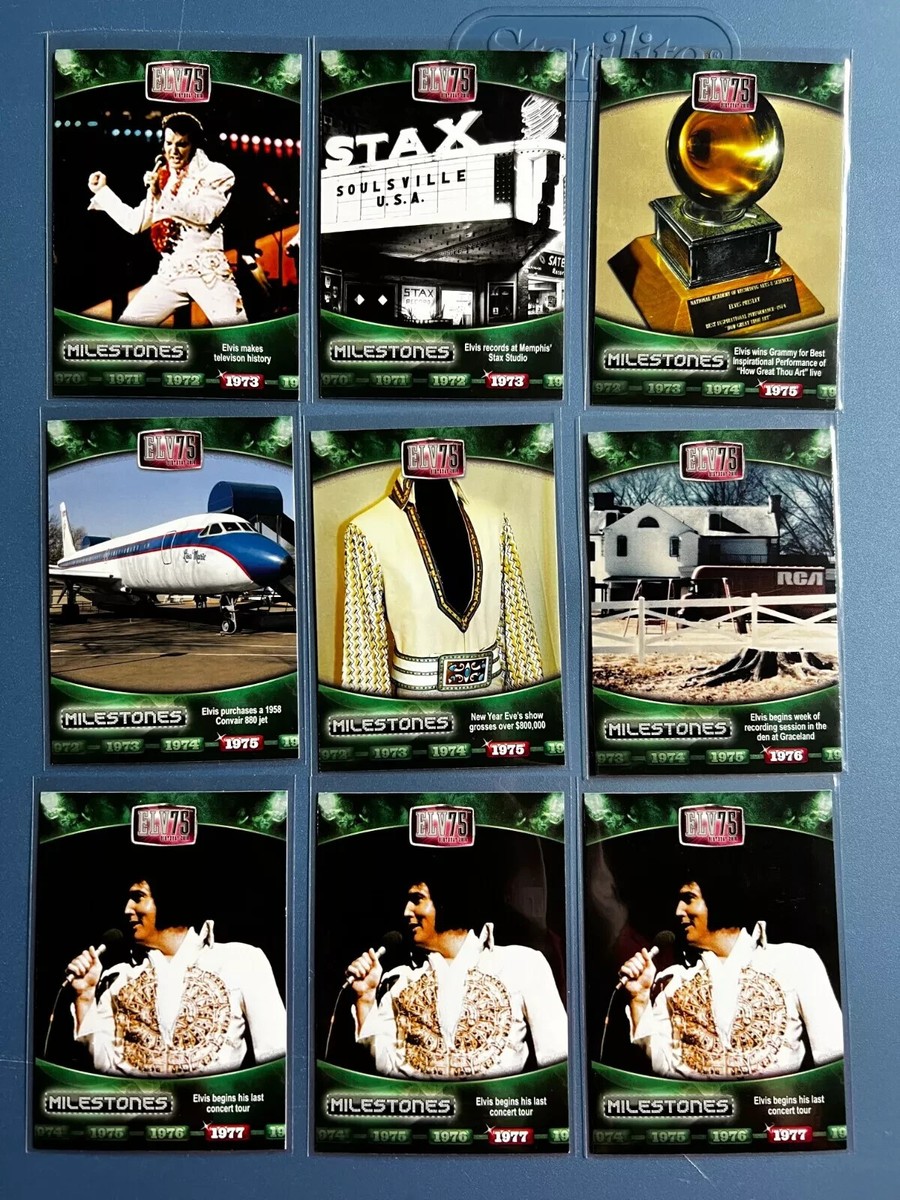
The year 1973 began with an event that etched Elvis Presley’s name into television history: the “Elvis: Aloha from Hawaii” satellite special. Performed on January 14th at the Honolulu International Center Arena, this concert was broadcast live via satellite to an international audience across Asia and Oceania, with a delayed showing in the United States on NBC. The global reach was unprecedented, with an estimated 37.8% of viewers in Japan, 91.8% in the Philippines, and a staggering 70-80% in Korea tuning in. The subsequent American broadcast on April 4th captivated 51% of the television audience, surpassing the viewership of man’s first walk on the moon and reaching an estimated one to 1.5 billion people worldwide. Elvis commissioned a special American Eagle design for his jumpsuit, a patriotic symbol for his global audience. This performance is widely regarded as a pinnacle of his superstardom, showcasing him in top physical and vocal form. The broadcast was a benefit, raising $75,000 for the Kui Lee Cancer Fund in Hawaii. The concert setlist included iconic songs such as “Also Sprach Zarathrusta,” “See See Rider,” “Burning Love,” and a moving rendition of “My Way.” Read more about the Aloha Special, including an interview with show director, Marty Pasetta.
Following the historic broadcast, Elvis continued his Las Vegas residency at the Hilton Hotel, performing numerous shows throughout January and February. A notable event in February was his presentation of a robe to Muhammad Ali before Ali’s title defense.
Studio Sessions and Personal Life
March 1973 saw a significant business transaction as Elvis Presley and Colonel Parker sold RCA the royalty rights to Elvis’ entire recording catalog up to 1972. The “Aloha from Hawaii” concert album achieved the number one spot on the Billboard pop album chart in May, marking his first number one album since 1965 and his last on the pop chart.
The summer months were filled with extensive touring across the United States, with performances in various cities including Mobile, Atlanta, Uniondale, and Pittsburgh. July and August saw Elvis engaging in recording sessions at Stax Studios in Memphis, Tennessee, where he recorded tracks such as “If You Don’t Come Back,” “Raised on Rock,” and “I Got a Feeling in My Body.” These sessions contributed to albums like “Raised on Rock” and “Promised Land.”
A significant personal event occurred on October 9, 1973, when Elvis and Priscilla appeared in court, and their divorce was granted. Despite the legal separation, they remained close friends, with Priscilla retaining custody of their daughter, Lisa Marie. The year concluded with further recording sessions at Stax Studios in December, including “It’s Midnight” and “You Asked Me To.”
1974: A Year on the Road
1974 was characterized by a demanding touring schedule, with Elvis undertaking his busiest year on the road since the 1950s. This included his customary Las Vegas and Lake Tahoe engagements, alongside extensive tours across the country. In March, he returned to the Houston Astrodome, setting a one-day attendance record with his two shows.
A particularly significant period was his return to Memphis in March for four shows, marking his first performances there since 1961. These concerts resulted in the live album, “Elvis Recorded Live On Stage in Memphis,” which included a performance of “How Great Thou Art” that earned Elvis his third Grammy Award. Elvis Recorded Live On Stage In Memphis CD.
In May, during a concert at the Los Angeles Forum, Led Zeppelin attended, and Elvis playfully acknowledged their presence. This period also saw the release of the book/CD “Elvis Live In L.A.” Elvis Live In L.A.
The summer tour continued with numerous stops, including engagements in Fort Worth, Baton Rouge, and Philadelphia. On July 4th, Elvis participated in a karate demonstration with Ed Parker in Memphis. The Las Vegas Hilton residency in August featured a brief experiment with a new show format, incorporating more blues and songs by Olivia Newton-John, which was initially met with critical acclaim but quickly reverted to the familiar format. Nevada Nights 2 CD Set.
September 16, 1974, marked a personal achievement as Elvis received his 8th Degree San Black Belt certificate from Master Kang Rhee in Memphis. Elvis Presley Karate Blackbelt. The year’s touring concluded with engagements in Baltimore, Detroit, and Dayton, among other cities. The final shows at the Sahara Tahoe Hotel in October included unique moments, such as a humorous twist on “The Hawaiian Wedding Song” and the performance of “My Heavenly Father” by Kathy Westmoreland.
The period of 1973-1974 showcases Elvis Presley at a dynamic stage of his career, balancing groundbreaking global events with his prolific touring and recording activities, solidifying his legacy as the “King of Rock and Roll.”