
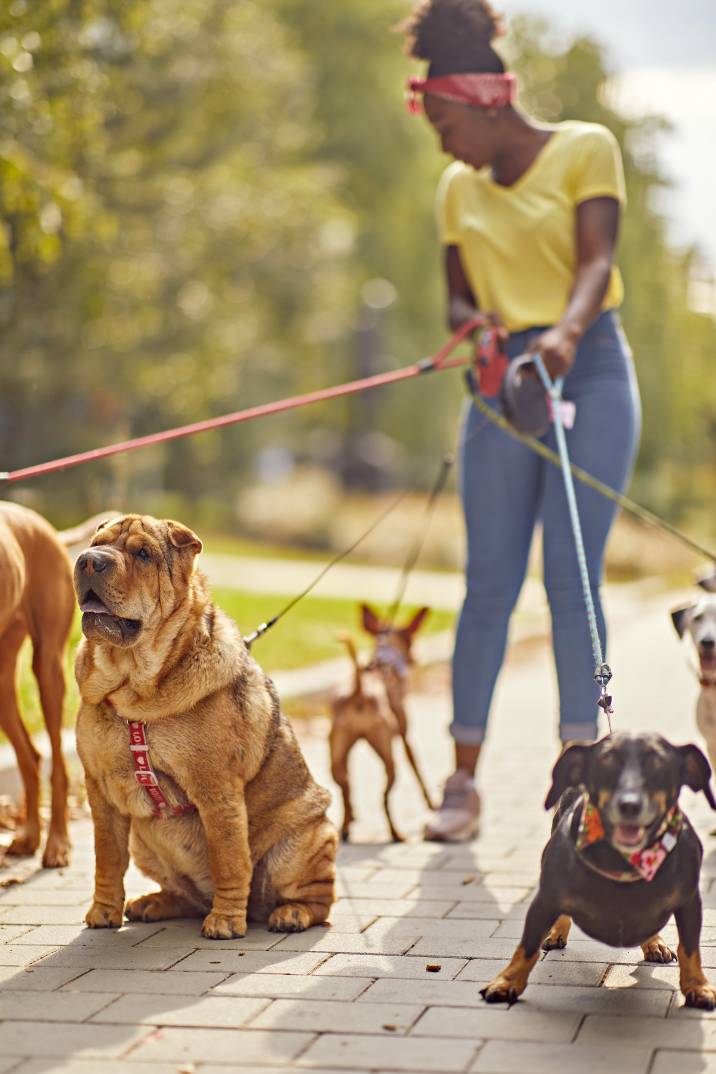
Becoming a professional dog walker is a career path that many find themselves drawn to, often leaving behind more conventional jobs for the allure of working with animals. While it may seem like a straightforward profession, the reality of dog walking is far more demanding and complex than it appears. This article delves into the challenges, rewards, and essential skills required to excel in this rewarding yet rigorous field.
The Demands of Professional Dog Walking
The life of a professional dog walker, while filled with furry companions, is not without its significant challenges. It requires a unique blend of physical endurance, specialized knowledge, and emotional resilience.
Beyond the Basics: What Professional Dog Walking Entails
Many underestimate the skill and dedication involved in professional dog walking. It’s not simply about leashing up a dog and strolling around the block. Professional dog walkers must possess a deep understanding of canine behavior to ensure the safety of both the dog and themselves. This includes recognizing stress signals, managing fear-based reactions to stimuli like bikes or children, and implementing positive reinforcement techniques. Furthermore, knowledge of pet first aid is crucial, as emergencies can arise unexpectedly. Compliance with local city ordinances regarding pets is also a necessary aspect of the job. Unlike many traditional jobs, dog walking typically lacks benefits such as health insurance or paid time off, necessitating long hours and constant availability, including evenings, weekends, and holidays, to achieve financial stability. Navigating harsh weather conditions and spending considerable unpaid time commuting between clients, often battling traffic and searching for scarce parking, are inherent aspects of the role.
Time Management: A Juggernaut of Schedules
The daily routine of a dog walker is often intensely structured, with the peak demand typically falling between 11 a.m. and 2 p.m. This compressed timeframe requires meticulous planning to accommodate the unique schedules and needs of each client and their pets. From wrestling with stubborn locks and recalcitrant keys to dealing with unexpected destruction or recalling alarm codes, each visit can present its own set of logistical hurdles. Additionally, managing an energetic dog, getting them properly harnessed, and equipped with coats and boots, all while adhering to a tight schedule, consumes valuable minutes. For younger pups, ensuring they safely consume their meals before the walker departs requires patience and a willingness to stay until the task is complete. This constant need for adaptability and efficient problem-solving underscores the critical importance of strong time management skills in this profession.
The Emotional Toll: Stress and the Risk of Burnout
The emotional well-being of a dog walker is paramount to their ability to perform effectively. Possessing the technical skills to handle a fearful dog or redirect unwanted behaviors is only part of the equation. If a walker is experiencing significant mental, physical, or emotional distress, their capacity to utilize these skills diminishes. High levels of stress can impair decision-making, hinder creative problem-solving, and damage interpersonal relationships, all of which are vital for success in a client-facing role. Employers in this field often wish they could offer higher compensation, recognizing that financial anxieties are a significant source of stress that can lead to burnout. Therefore, ensuring that the job supports the walker’s personal needs and aspirations is essential for long-term job satisfaction and retention.
Navigating Loss: The Inevitable Heartbreak
One of the most profound challenges dog walkers face is the emotional impact of loss. Unexpected cancellations of service or, more significantly, the passing of a beloved pet client, can be deeply painful. Dog walkers form genuine bonds with the animals in their care, learning their individual quirks, preferences, and training nuances. They become trusted friends and integral parts of the dogs’ lives. The sudden absence of a dog, without an opportunity for a proper farewell, is a source of significant grief. Regardless of the circumstances surrounding the end of the professional relationship, the sense of loss is palpable and deeply felt.
The Heart of the Matter: Job Happiness and Its Sources
Despite the inherent difficulties, the rewards of professional dog walking are often found in the unique relationships forged with the canine clients. The dogs themselves provide the most significant source of job satisfaction.
Team members frequently share heartwarming experiences, such as the development of trust and affection from initially reserved dogs, transforming tentative greetings into enthusiastic welcomes. The simple act of playing with dogs is often cited as a primary joy. The infectious enthusiasm of a dog, like a mountain dog embracing the snow, can be a powerful antidote to even the dreariest weather, demonstrating the contagious nature of canine happiness. This profound connection with animals, coupled with the opportunity to spend entire days in their company, cultivates a unique sense of fulfillment.
The ability to define and embrace job happiness is central to the dog walking profession. Reflecting on moments of pure joy, such as managing dog playgroups in a park, highlights the unparalleled sense of contentment this career can offer, often surpassing any previous professional experience. Ultimately, dog walking can be an incredibly rewarding career, fostering personal growth and resilience in those who dedicate themselves to it.
A Look Ahead and an Invitation
Whether you are a client seeking insight into the lives of your dog walkers or an aspiring professional considering this career path, your engagement is valued. We invite you to share your thoughts on what you’ve learned about professional dog walking and express your appreciation for your own dog walker in the comments below. Sharing your positive experiences will allow us to share that recognition with the dedicated individuals who care for your beloved pets.
Next week, we will delve into a crucial aspect of our service: why Rover-Time does not utilize GPS tracking for its walking team. Stay tuned for this insightful discussion.
For those residing in Chicago and interested in professional dog walking services, we encourage you to reach out. Contact us today at support@rover-time.com or visit our Home Page for more information and to learn how we can provide exceptional care for your canine companions.