
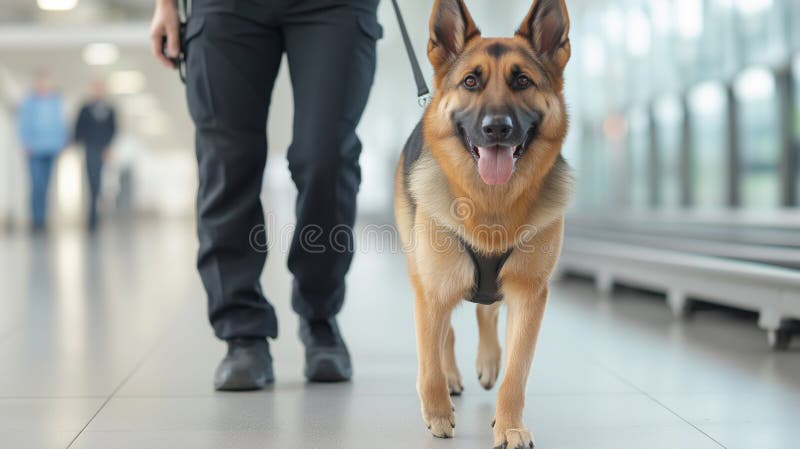
As a professional dog walker, preparing for inspections and ensuring the utmost care for the animals in your charge is paramount. This comprehensive checklist outlines the essential requirements and best practices to guarantee you meet all legal and ethical standards, from training and client agreements to vehicle safety and emergency preparedness.
Essential Training and Agreements
Before you even consider taking on your first client, ensure you are fully equipped with the necessary knowledge and have proper documentation in place.
- Certified Canine First Aid: You must have completed a certified Canine First Aid course and be proficient in all aspects of dog husbandry. This ensures you can handle medical emergencies effectively.
- Client Agreement and Consent Forms: Secure, accessible, and up-to-date consent forms are vital. These should include emergency contact information and explicit consent for:
- Walking dogs in packs.
- Transporting dogs in packs.
- Walking dogs off-lead.
- Providing basic grooming services like brushing and washing.
- Administering emergency first aid.
- Transporting a dog to an appointed veterinarian if necessary.
Maintaining a Clean and Safe Environment
Responsible dog walking involves meticulous attention to hygiene and the well-being of the dogs.
- Waste Disposal: You are legally required to remove and dispose of all dog waste generated during your business activities in a suitable manner.
- Leads, Collars, and Control: Ensure you have an adequate supply of dog leads and collars for the number of dogs you will be walking, and that all dogs remain under proper control at all times. If owners provide leads, have spares ready in case of loss or breakage. You must be capable of managing all dogs under your supervision to prevent them from causing harm or nuisance to the public or other animals.
Legal Compliance and Identification
Adhering to legal frameworks and maintaining clear identification builds trust and ensures accountability.
- The Animal Welfare Act 2006: Familiarize yourself with and implement procedures to prevent breaches of Section 4 (Unnecessary suffering) and Section 9 (Duty of person responsible for animal to ensure welfare).
- Identification Badge: While walking dogs in public spaces, you must wear an identification badge clearly displaying your company name and contact details. Consider additional branded apparel such as t-shirts or jackets.
- Dog Tags: All dogs under your care must wear an additional tag during walks, inscribed with your company name and phone number.
- Minimizing Impact: Develop and document specific procedures for minimizing the impact of exercising multiple dogs, especially in high-traffic areas or during busy times. This plan should be available for inspection.
Insurance and Licensing
Comprehensive insurance and valid licensing are non-negotiable for professional dog walkers.
- Indemnity Insurance: Your policy must clearly state the maximum number of dogs you are permitted to walk. Provide current insurance documentation during inspections.
- Vehicle Insurance: Ensure you have valid vehicle insurance for business use and present the certificate of insurance at inspection.
- Driver’s License: A valid driver’s license is required for all inspections.
- M.O.T. Certificate: If you use multiple vehicles, you must provide the M.O.T. certificate for each.
Vehicle Safety and Transport
Transporting dogs requires strict adherence to safety protocols to ensure their well-being.
- Secure Caging: Vehicles must be equipped with securely fitted cages, appropriately sized for each dog, allowing them to be comfortable and preventing them from moving freely. Dogs must never be left unattended in vehicles.
- Ventilation: Ensure adequate ventilation, especially when using air conditioning. Be mindful of how weather conditions can affect internal vehicle temperatures to guarantee the welfare of all dogs during transport.
- Water and Bowls: Carry water bowls and a sufficient supply of clean water. To prevent competition, especially among unfamiliar dogs, provide one bowl per dog or stagger water access while maintaining control of the remaining dogs.
- First Aid Kit: A fully stocked and in-date canine first aid kit must be carried in your vehicle at all times.
- Cleaning Equipment: Have pet-safe cleaning products readily available, including disinfectant, spray, absorbent cloths, wipes, and disposal bags, to maintain hygiene in cages and vehicles. All waste must be disposed of appropriately.
Emergency Preparedness
A robust emergency plan is crucial for handling unexpected situations.
- Written Emergency Plan: This plan should address scenarios such as vehicle breakdowns, road traffic collisions, last-minute schedule changes, and instances where a dog becomes ill, requiring an urgent veterinary visit.
- Local Vet Registration: Register with a local veterinarian who is aware of your dog walking business. Ideally, choose a vet located nearby for prompt emergency attention. This ensures that in case of an emergency, a dog receives urgent veterinary attention.