
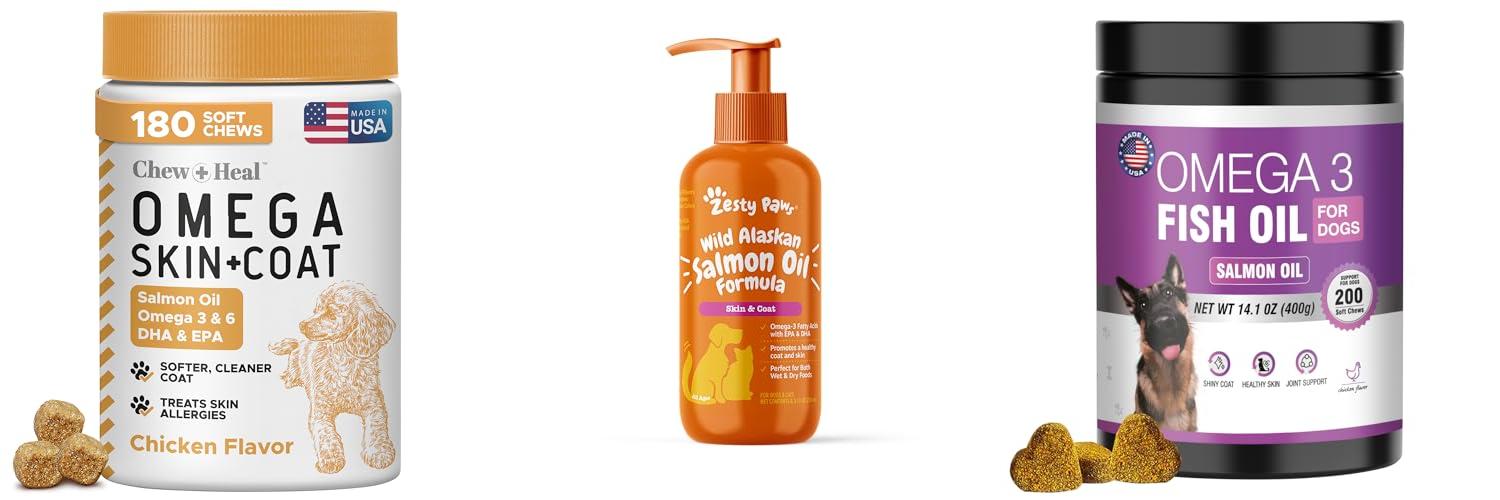
As pet owners, we cherish the well-being of our furry companions above all else. One of the most visible and telling indicators of a dog’s internal health is the condition of their skin and coat. A shiny, luscious coat and supple, healthy skin do more than just make your pet look beautiful; they signify overall wellness and ensure your dog remains comfortable and itch-free. When a dog’s coat becomes dull or their skin becomes flaky, it is often a signal from the body that certain nutritional gaps need to be filled.
In this comprehensive guide, we will explore the science behind the most effective ingredients found in premium dog skin and coat supplements. By understanding how these nutrients work at a cellular level, you can make informed decisions to enhance your canine’s vitality. From the anti-inflammatory power of fish oils to the regenerative properties of essential vitamins, let’s unravel the mysteries of canine dermatological health.
The Power of Essential Fatty Acids
The foundation of any high-quality skin supplement lies in its fatty acid profile. These “good fats” are structural components of cell membranes and play a pivotal role in managing inflammation.
Omega-3 Fatty Acids: Nourishing from Within
Omega-3 fatty acids, specifically ALA (alpha-linolenic acid), EPA (eicosapentaenoic acid), and DHA (docosahexaenoic acid), are fundamental to a dog’s diet because their bodies cannot produce them in sufficient quantities. These nutrients are famous for their potent anti-inflammatory properties. By reducing systemic inflammation, Omega-3s effectively alleviate chronic itching, reduce redness associated with allergies, and promote a soft, reflective coat. Common sources include high-quality fish oil supplements derived from salmon, pollock, or sardines.
Omega-6 Fatty Acids: Maintaining the Skin Barrier
While Omega-3s fight inflammation, Omega-6 fatty acids like linoleic acid focus on the “seal.” They are essential for maintaining the integrity of the skin barrier, which acts as a shield against environmental irritants. A strong skin barrier prevents “trans-epidermal water loss,” ensuring the skin remains hydrated and supple. Without enough Omega-6, a dog’s skin can become dry, brittle, and prone to flakiness. Striking a precise balance between Omega-3 and Omega-6 is the secret to holistic dermatological support.
Vital Vitamins for Skin Regeneration and Protection
Vitamins act as biological catalysts, supporting everything from cell turnover to protection against environmental damage.
Vitamin A: The Skin Regenerator
Vitamin A is a powerhouse nutrient responsible for cell regeneration. It helps maintain the physical structure and function of the skin tissue. Adequate levels of Vitamin A prevent the skin from becoming tough or scaly and reduce the risk of secondary skin infections. While most balanced dog foods contain Vitamin A, some dogs benefit from extra sources like cooked liver or specific supplements if they show signs of poor coat quality.
Vitamin E: Antioxidant Armor
Vitamin E serves as a biological shield. As a potent antioxidant, it protects skin cells from oxidative stress and damage caused by free radicals (unstable molecules from pollution or UV rays). By maintaining the elasticity of the skin and supporting the immune system within the dermis, Vitamin E ensures that your dog’s skin remains resilient and youthful.
Specialized Nutrients: DHA and Zinc
Beyond basic vitamins, certain specialized compounds provide targeted benefits for both the skin and the brain.
DHA: The Brain and Skin Connection
Docosahexaenoic acid (DHA) is a specific type of Omega-3 that is often praised for its role in puppy brain development and cognitive function in seniors. However, its benefits extend to the surface as well. DHA supports the complex lipid structure of the skin cells, contributing directly to a glossy, “show-quality” coat. Including DHA in your dog’s regimen provides a dual-action benefit for both mental acuity and external appearance.
Zinc: The Mineral of Healing
Zinc is a trace mineral that acts as a master “healer.” It is essential for protein synthesis and cell division, making it a critical component for wound healing. If your dog suffers from “hot spots” or frequent scratches, zinc helps the skin repair itself faster. Furthermore, zinc strengthens the immune response of the skin, helping to ward off bacterial and fungal overgrowth.
Identifying a Healthy Skin and Coat
How do you know if your supplement routine is working? A healthy canine exterior is characterized by several key traits:
- Vibrant Shine: The coat should catch the light and not look “dusty” or dull.
- Smooth Texture: The fur should feel silky or appropriately coarse (depending on the breed) rather than brittle.
- Supple Skin: The skin underneath should be light pink or pigmented (depending on the breed), free from redness, sores, or greasy buildup.
- Minimal Flakiness: While all dogs shed some skin cells, visible “dandruff” is usually a sign of dryness or poor nutrition.
Conclusion
Nurturing your dog’s skin and coat requires a proactive approach to nutrition. By incorporating a balanced blend of Omega fatty acids, essential vitamins, and minerals like Zinc, you are investing in your dog’s long-term comfort and health. Remember that every dog is unique; factors like age, breed, and existing allergies will dictate their specific needs.
Always consult with your veterinarian before introducing new supplements to ensure they complement your dog’s current diet and health status. With the right care, your furry friend will not only look stunning but feel their absolute best.
References
- American Veterinary Medical Association (AVMA) – Nutrition and Skin Health Guidelines.
- World Small Animal Veterinary Association (WSAVA) – Global Nutrition Committee Resources.
- National Research Council (NRC) – Nutrient Requirements of Dogs and Cats.