
If your dog rides along with you on car trips, a dog car seat belt is one of the simplest upgrades you can make for safer travel. Whether it’s a daily commute, a trip to the vet, or a long road trip, an unrestrained dog can be a serious hazard — both to themselves and to everyone else in the car. A sudden stop or sharp turn can throw an unsecured dog forward, causing injury, or send them jumping into the front seat at exactly the wrong moment. This guide walks through why a dog car seat belt matters, what features actually make a difference, and how to use one correctly so your furry companion stays safe on every journey.
Why Your Dog Needs a Car Seat Belt
Many pet owners assume that letting their dog roam freely in the back seat is harmless, but the reality is different. In a collision or even a hard brake, an unrestrained dog becomes a projectile, risking injury to itself and to passengers. A properly fitted dog car seat belt prevents this dangerous movement while still allowing the dog enough freedom to sit, lie down, or shift position comfortably.
Beyond safety, restraining your dog also reduces driver distraction. A dog jumping between seats, climbing into your lap, or pawing at the window is not just annoying — it’s dangerous. A seat belt designed specifically for dogs keeps them anchored in one area of the car, letting you focus on the road.
There’s also a legal dimension worth knowing. In the UK and many other regions, road safety guidance increasingly recommends — and in some cases requires — that pets be suitably restrained while travelling in a vehicle. Failing to do so can affect insurance claims after an accident and, in some jurisdictions, result in fines. Investing in a reliable dog car seat belt is therefore not just a safety measure but also a practical step toward compliance with road safety expectations.
Key Features to Look For
Not all dog car seat belts are built the same, and the difference often comes down to a handful of design details that affect both safety and comfort.
Material and construction. Look for a seat belt made from durable nylon webbing paired with a sturdy stainless steel clip. Cheaper alternatives can fray or snap under the stress of a sudden stop, which defeats the entire purpose of the restraint. A well-built seat belt should be able to handle the strain of sharp turns or emergency braking without failing.
Adjustability. Dogs come in a huge range of sizes, so an adjustable length — typically somewhere in the 40 to 60 centimetre range — ensures the belt fits everything from a small terrier to a larger breed. The fit should be snug enough to limit dangerous movement but loose enough that the dog can sit or lie down comfortably.
Shock absorption. A bungee-style elastic section built into the belt helps absorb sudden jolts from braking or rough roads. This reduces strain on the dog’s body during abrupt stops and makes the overall ride more comfortable, rather than feeling like the dog is being yanked by a rigid strap.

Lockable buckle. A buckle that locks securely once attached reduces the risk of the clip coming undone mid-journey, which is especially important on longer drives or bumpy roads.
Rotating clasp and visibility. A 360-degree rotating clasp prevents the strap from twisting or tangling as your dog shifts position. Reflective stitching is a smaller but useful detail, improving visibility if you’re loading or unloading your dog at night.
Multiple Ways to Use a Dog Car Seat Belt
One advantage of a well-designed dog car seat belt is versatility. Many models can be used in more than one way depending on your car and your dog’s needs.
- Headrest restraint — the belt clips around the car’s headrest, anchoring the dog centrally in the back seat.
- Seat belt clip attachment — the strap connects directly into the car’s existing seat belt buckle, using the vehicle’s own anchor point.
- Travel leash — when you arrive at your destination, the same strap can often double as a leash for quick stops, such as a rest area on a long road trip or a brief errand.
This 3-in-1 functionality means you don’t need separate gear for restraining your dog in the car and walking them once you’ve parked — one piece of equipment covers both situations.
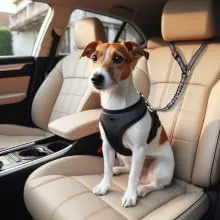
Safety First: Always Use a Harness, Not a Collar
This point cannot be overstated: a dog car seat belt should always be attached to a properly fitted harness, never directly to a collar or a regular walking leash. Harnesses distribute pressure evenly across the chest and shoulders, which matters enormously during a sudden stop. A collar, by contrast, concentrates all that force on the neck, putting your dog at serious risk of injury — including tracheal damage — exactly in the moment when you need the restraint to protect them.
If you don’t already have a harness suited for car travel, it’s worth pairing one with your seat belt before your next drive. Many pet owners who travel frequently with their dogs find that a snug, well-fitted harness combined with a quality seat belt is the safest and most comfortable combination for both short trips and long road trips alike.
Common Mistakes Pet Owners Make
Even well-meaning pet owners sometimes get a few details wrong when restraining their dog for car travel. Here are a few habits worth avoiding:
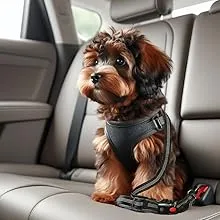
- Attaching to the collar instead of a harness. As noted above, this is the single most important mistake to avoid, since it shifts impact force to the neck.
- Leaving too much slack. A belt that’s too loose allows the dog to move around far more than intended, undermining the entire purpose of the restraint.
- Using a worn or damaged strap. Nylon webbing can fray over time, especially if a dog tends to chew on it. Inspect the belt periodically and replace it if you notice fraying, stretching, or a weakened clip.
- Letting the dog ride in the front seat. Even with a restraint, the back seat is generally safer, away from airbags that can cause serious harm to a smaller animal in a deployment.
Final Thoughts
A dog car seat belt is a small investment that delivers outsized peace of mind. It limits dangerous movement inside the vehicle, reduces driver distraction, cushions sudden stops with shock-absorbing design, and — when paired correctly with a harness — protects your dog from injuries that a collar simply can’t prevent. Whether you’re driving across town or heading out on a long road trip, taking a few minutes to properly secure your dog before you start the engine is one of the easiest ways to make every journey safer for everyone in the car.
If you’re shopping for a dog car seat belt, prioritise adjustable sizing, sturdy stainless steel hardware, a lockable buckle, and a shock-absorbing bungee section — and always pair it with a properly fitted harness rather than a collar. Your dog will travel more comfortably, and you’ll drive with one less distraction and a lot more peace of mind.