
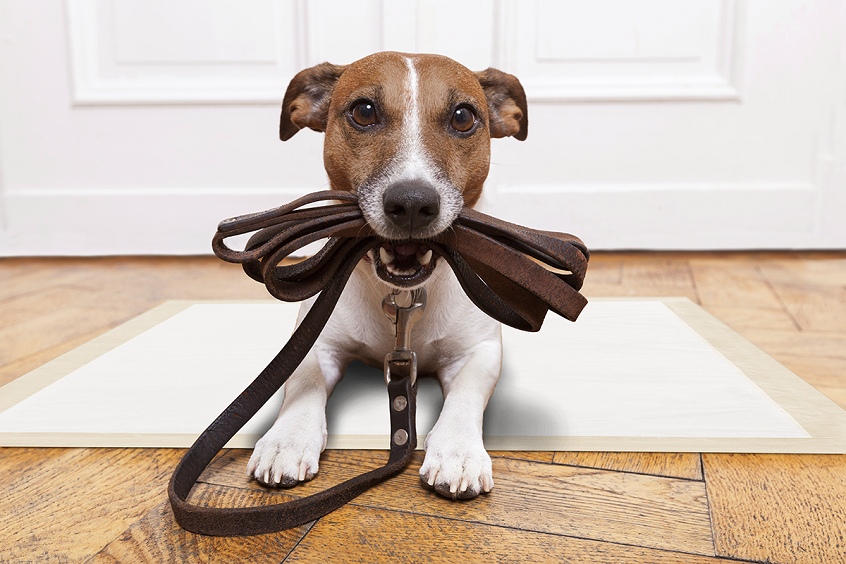
Ensuring your dog’s safety and comfort during walks and training is paramount. The right lead and collar are essential tools for any responsible dog owner. This guide will explore the variety of options available, from classic leather collars to specialized training harnesses, helping you make informed decisions for your canine companion.
Understanding Dog Leads and Collars
The market offers a vast array of dog accessories, each designed with specific functionalities in mind. Understanding the types of leads, collars, and harnesses available is the first step to selecting the most appropriate gear for your dog’s needs and temperament.
Types of Dog Leads
- Standard Leads: These are the most common type, typically made of nylon or leather, and come in various lengths. They are suitable for everyday walks and general training.
- Retractable Leads: Offering more freedom of movement for the dog, retractable leads allow the owner to control the leash length. However, they require careful handling and are not recommended for strong pullers or in busy environments.
- Training Leads: Often longer and made of durable materials, training leads are designed for recall training and more intensive obedience work. They provide greater control and allow for more nuanced communication with your dog.
Types of Dog Collars
- Flat Collars: These are the most basic type, available in various materials like nylon, leather, and fabric. They are ideal for identification tags and for dogs that do not pull excessively.
- Martingale Collars: Also known as greyhound collars, these have a loop that tightens when the dog pulls, preventing them from slipping out. They are particularly useful for breeds with narrow heads.
- Harnesses: Harnesses distribute pressure across the dog’s chest and back, reducing strain on the neck. They are excellent for dogs that pull, brachycephalic breeds, or those with neck sensitivities. There are various styles, including no-pull harnesses that attach at the front of the chest to discourage pulling.
Selecting the Right Gear for Your Dog
The choice between a lead and collar (or harness) depends on several factors, including your dog’s breed, size, age, temperament, and training goals.
Factors to Consider:
- Breed and Size: A small dog will require lighter, less bulky equipment than a large, powerful breed. Consider the neck width and chest circumference for a proper fit.
- Temperament and Training Level: A well-trained dog that walks politely on a lead might only need a standard flat collar and lead. A strong puller or a dog in training may benefit from a no-pull harness or a specialized training lead.
- Activity Level: For active dogs or those who enjoy exploring, durable and comfortable gear is essential. Reflective elements on leads and collars can enhance visibility during low-light conditions.
- Comfort and Safety: Ensure that any equipment fits snugly without chafing or restricting movement. For collars, you should be able to fit two fingers comfortably between the collar and your dog’s neck. Harnesses should not impede shoulder movement.
Popular Dog Leads and Collars
The market is flooded with options, but some stand out for their quality and functionality. Brands like Ferplast offer a comprehensive range of dog accessories.
Ferplast’s Range of Products
Ferplast provides a wide selection of dog leads, collars, and harnesses designed to meet diverse needs. Their collections include:
- Agila Harnesses: These ergonomic chest harnesses are designed for comfort and control, often featuring soft padding and adjustable straps. Some models, like the Agila Fluo, include reflective inserts for enhanced visibility.
- Daytona Leads and Collars: Made from durable nylon with soft padding, the Daytona line offers both comfort and style. Some leads include convenient features like hygienic bag holders.
- Club Collars and Leads: A classic choice, the Club line offers simple yet reliable nylon collars and leads in a variety of colors.
- Specialty Items: Ferplast also offers specialized products such as muzzles, reflective collars for nighttime safety (like the Solar Night C), and training leashes designed for specific training purposes.
Training and Usage Tips
Once you’ve selected the right equipment, proper usage is key to a positive experience for both you and your dog.
Introduction to New Gear
Introduce new collars, leads, or harnesses gradually. Allow your dog to sniff and explore the items. For harnesses and collars, ensure a comfortable fit before heading out for a walk. Positive reinforcement, such as treats and praise, can help your dog associate the new gear with positive experiences.
Walking Techniques
- Loose-Leash Walking: Teach your dog to walk beside you without pulling. Reward them with treats and praise when they maintain a loose lead. If they pull, stop walking until the lead slackens.
- Direction Changes: If your dog pulls ahead, change direction. This gently redirects their attention back to you and teaches them to pay attention to your movements.
- Using a Harness: For dogs that pull, a front-clip harness can be very effective. The leash attaches to a ring on the dog’s chest, redirecting them towards you when they pull, thus discouraging the behavior.
Conclusion
Choosing the right dog leads and collars is a crucial aspect of responsible dog ownership. By understanding the various options available and considering your dog’s individual needs, you can select high-quality, comfortable, and safe accessories that enhance your daily walks and training sessions. Explore the diverse range of products from reputable brands to find the perfect fit for your canine companion.