
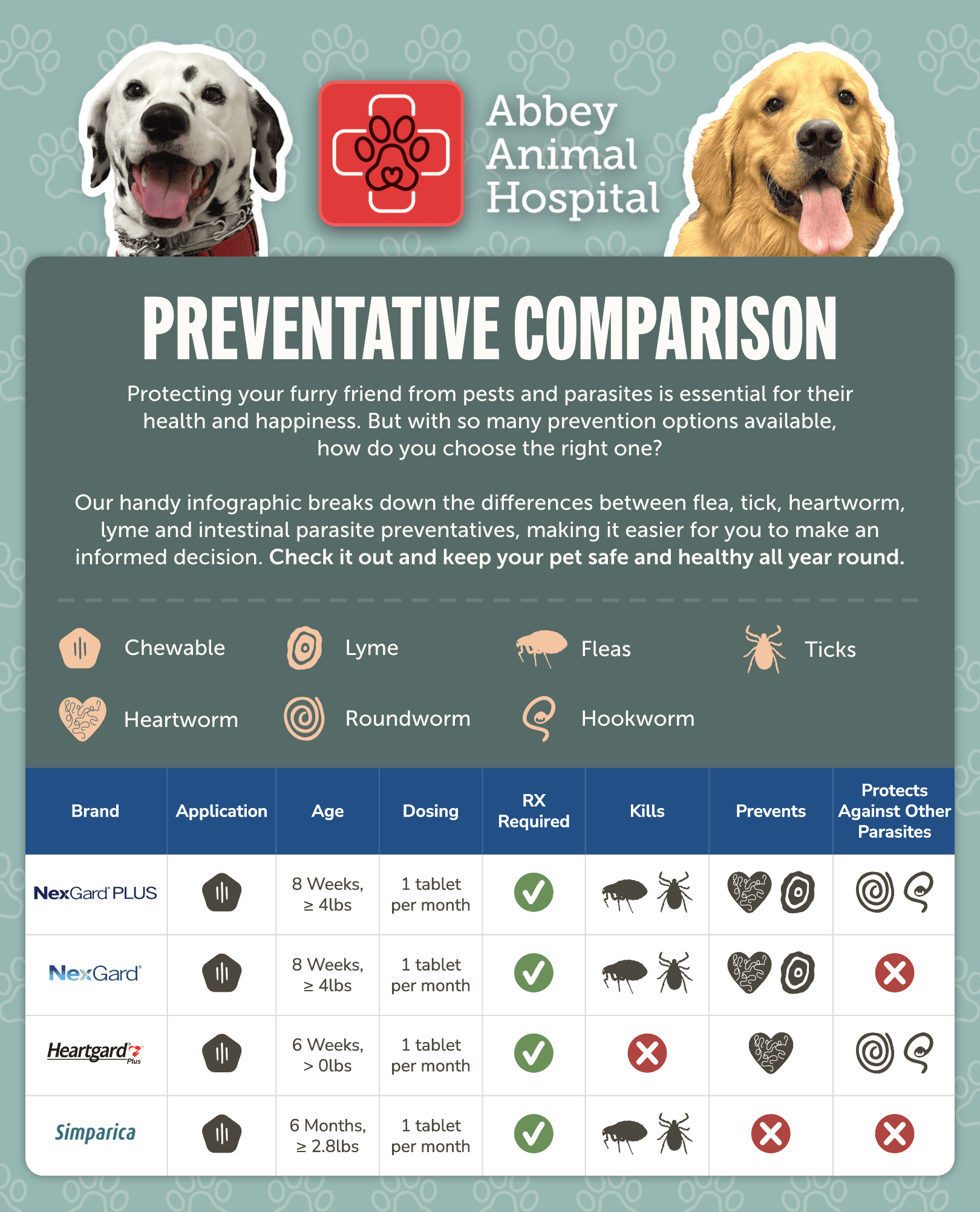
Protecting your canine companion from a variety of parasites is a crucial part of responsible pet ownership. For many years, this involved a regimen of multiple medications. However, the advent of all-in-one flea, tick, and heartworm pills for dogs has significantly streamlined this process, offering a convenient monthly solution. Products like Simparica Trio, NexGard PLUS, and Credelio Quattro are designed to provide comprehensive protection. While these combination medications offer numerous benefits, including simplified administration and potentially lower costs compared to individual treatments, it’s essential to understand that they are not a one-size-fits-all solution. This article delves into the advantages and disadvantages of these all-in-one preventives and highlights key factors to consider before choosing one for your dog.
Understanding All-In-One Parasite Preventives
The goal of year-round parasite protection for dogs is to safeguard them from various internal and external threats. Historically, this meant administering several different treatments monthly. Now, all-in-one pills offer a more integrated approach. These medications are formulated as palatable chews or tablets that most dogs readily accept, simplifying the monthly routine. While popular among pet owners for their ease of use, veterinarians often advise a thorough assessment to determine if these comprehensive preventives are truly the best fit for an individual dog’s health and lifestyle.
Advantages of Combination Preventives
The consolidated nature of all-in-one pills presents several compelling benefits over managing multiple individual parasite treatments:
- Unparalleled Convenience: Formulated as flavored chews or tablets, these products are typically very palatable, making monthly administration straightforward. A single chew provides complete protection for the month.
- Broad-Spectrum Protection: Beyond fleas, ticks, and heartworms, many of these all-in-one medications also combat common intestinal parasites such as roundworms and hookworms. Credelio Quattro further extends this coverage to include tapeworms, offering a more extensive shield against internal threats.
- Cost-Effectiveness: Although the initial price tag of an all-in-one pill might seem higher, it can often be more economical than purchasing separate medications for each type of parasite. Crucially, the cost of prevention is almost always significantly less than treating the illnesses that result from parasitic infestations, such as heartworm disease.
- Reduced Risk of Drug Interactions: Combining multiple medications can sometimes lead to adverse interactions. By using a single, well-formulated all-in-one pill, the risk of such interactions is minimized, ensuring a safer broad-spectrum preventive regimen.
Potential Disadvantages to Consider
Despite their advantages, all-in-one heartworm, flea, and tick pills come with certain drawbacks that warrant careful consideration:
- Unnecessary Ingredients: A dog may receive medication for parasites they are at low risk of contracting. For instance, if tapeworm infections are uncommon in your dog’s environment, monthly tapeworm prevention might be redundant. Administering unnecessary medications can also contribute to the development of parasite resistance over time.
- Risk of Adverse Reactions: A significant concern with the isoxazoline class of drugs, present in Simparica Trio, NexGard PLUS, and Credelio Quattro, is a potential link to neurological issues in dogs, including seizures, tremors, and ataxia. Veterinarians often advise against these products for dogs with a history of neurological problems. Other potential side effects include vomiting and diarrhea.
- Ensuring Palatability and Consumption: While designed to be highly palatable, some dogs, especially extremely picky eaters, may refuse to take the medication, compromising the effectiveness of the treatment.
- Veterinary Prescription Required: A key limitation is that all-in-one heartworm, flea, and tick preventives are only available through a veterinarian’s prescription, requiring a veterinary consultation for acquisition.
Exploring Available Product Options
Let’s examine three prominent all-in-one parasite preventives currently available for dogs:
Simparica Trio Chewable Tablet for Dogs
Simparica Trio is a monthly chewable tablet that combines three active ingredients: sarolaner, moxidectin, and pyrantel. This formulation effectively prevents heartworm disease, flea infestations, tick bites, and infections from roundworms and hookworms. It is administered with or without food and is available in six different dosages tailored to a dog’s weight, ensuring accurate dosing for various sizes.
NexGard PLUS Chewables for Dogs
NexGard PLUS offers a similar broad-spectrum protection plan, containing afoxolaner, moxidectin, and pyrantel. This beef-flavored chewable is designed for monthly administration, with or without food, and targets heartworm disease, fleas, ticks, roundworms, and hookworms. It comes in five weight-based dosages.
Credelio Quattro Chewable Tablets for Dogs
Credelio Quattro provides the most extensive coverage among these three options. It contains lotilaner, moxidectin, pyrantel, and praziquantel. This monthly chewable tablet protects against heartworm disease, fleas, ticks, roundworms, hookworms, and tapeworms. It is safe for dogs with meat allergies and is administered with food, available in four different weight-based dosages.
Essential Questions for Your Veterinarian
When considering an all-in-one flea, tick, and heartworm pill for your dog, a conversation with your veterinarian is paramount. They will need to conduct a thorough review of your dog’s medical history, including their age, weight, lifestyle, and assessed parasite risk factors. A physical examination is also essential.
If your dog has experienced any neurological symptoms, such as seizures, tremors, or difficulty with balance, your veterinarian will likely steer you away from products containing isoxazoline derivatives. However, for a healthy dog facing significant risks from heartworms, fleas, ticks, and intestinal worms, an all-in-one preventive could be an excellent and highly effective solution. For general canine health questions, consulting resources on dog health and wellness can provide additional insights.
All-In-One Flea, Tick, and Heartworm Pill for Dogs FAQs
What is considered the best heartworm and flea pill for dogs?
The “best” product is highly individual and depends on a dog’s specific circumstances, including age, size, overall health, and exposure risk to parasites. Consulting your veterinarian is the most reliable way to determine the most suitable parasite preventive.
Can I administer heartworm medicine and flea medicine concurrently?
This depends on the specific products and your dog’s health. Some medications can be safely combined, while others may pose risks, especially for dogs with pre-existing conditions. Always seek veterinary advice before combining medications.
Are heartworm pills truly necessary for dogs?
Absolutely. Heartworm disease has been documented in all states within the U.S. The treatment for heartworm disease is costly and not always successful, making consistent prevention an essential aspect of canine healthcare.
Do heartworm pills offer protection against fleas?
Some preventive medications cover both heartworms and fleas, while others do not. Product labels provide this information, but your veterinarian can clarify any uncertainties.
Is there a combined flea and worm tablet available for dogs?
Yes, medications like Simparica Trio, NexGard PLUS, and Credelio Quattro are oral tablets that protect against heartworms, fleas, ticks, roundworms, and hookworms. Credelio Quattro additionally covers tapeworms. Your veterinarian can advise if these are appropriate for your dog.
What is the recommended frequency for heartworm and flea medication?
Most heartworm and flea preventives are administered on a monthly basis. However, it is crucial to read the product label or consult your veterinarian to confirm the correct dosage schedule for the specific product you are using, as some may have different administration frequencies.