
If you’ve ever dealt with a female dog in heat, an incontinent senior cat, or a pet recovering from surgery, you know how challenging it can be to keep your home clean and your pet comfortable. Dog and cat diapers for female pets have become an increasingly popular solution, offering a practical way to manage heat cycles, urinary incontinence, and post-operative care without stress for you or your furry companion.
This guide covers everything you need to know — from how these products work to how to measure your pet correctly and choose the right fit.
Why Female Pets Need Diapers
Female dogs and cats face several situations where a diaper becomes genuinely helpful rather than just a convenience:
- Heat cycles: Female dogs typically go into heat twice a year, and during this period, bloody discharge can stain furniture, bedding, and flooring. A well-fitted diaper keeps the mess contained without confining your dog.
- Urinary incontinence: Older pets, or those with spinal conditions, hormonal imbalances, or bladder weakness, often lose control of their bladder. Diapers provide dignity and comfort while protecting your home.
- Post-surgical recovery: After spaying or other abdominal procedures, some pets need extra protection and hygiene support during the healing period.
- Excitement urination: Some younger or anxious dogs urinate involuntarily when excited or startled — a diaper can help during the training phase.
Understanding which situation applies to your pet helps you choose between disposable and reusable options, as well as the correct absorbency level.
Key Features to Look for in Female Pet Diapers
Not all pet diapers are created equal. When shopping for female dog or cat diapers, pay close attention to these design features:
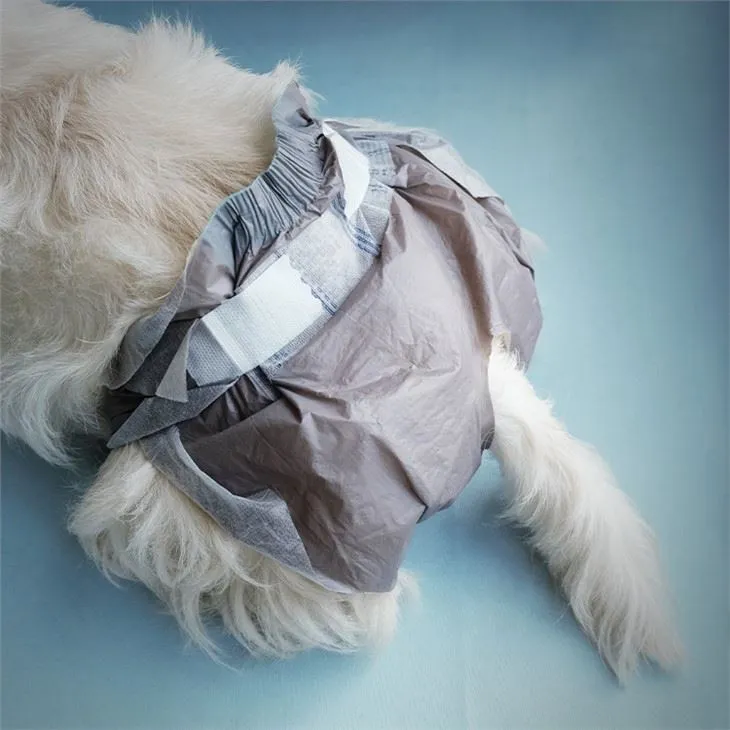
Dual-layer leak protection is essential. Quality diapers use a two-layer backing system — a soft, non-woven fabric surface against the skin combined with a thick, moisture-locking inner layer. This combination wicks moisture away from your pet’s skin to prevent irritation while keeping leaks from reaching your floors and furniture.
Odor control is another critical factor, especially during heat cycles when natural scents are stronger. Look for diapers that include odor-neutralizing materials built into the absorbent core.
Soft, flexible backing ensures your pet can move naturally. A stiff or bulky diaper can cause rubbing or discourage movement, which is particularly problematic for active dogs. The best products use a pliable outer layer that contours to your pet’s body shape.
Tail-hole design is a thoughtful feature found in many female-specific diapers. A pre-cut or elasticated opening for the tail allows a natural fit without bunching or pulling, which makes the diaper both more comfortable and more secure.
How to Measure Your Pet for the Right Diaper Size
Getting the size wrong is the most common mistake pet owners make. An ill-fitting diaper leaks, falls off, or causes skin irritation — none of which you want. Follow these four steps for an accurate measurement:
Step 1 — Find the fit point. This is the spot on your pet’s body where the waistband of the diaper will sit. For most dogs, this falls just in front of the hind legs, at the narrowest part of the abdomen. Run your hand along your dog’s back and belly to find the most natural resting point for a band.
Step 2 — Measure the waist circumference. Using a soft tape measure or a piece of string you can measure afterward, wrap around your pet’s body at the fit point. Measure snugly but not tight — you should be able to slip two fingers underneath comfortably. Note this number in centimeters or inches.
Step 3 — Measure the diaper length. This is the distance from the fit point at the front to the fit point at the back, going under the belly and around the hindquarters. This measurement ensures the diaper covers the area it needs to without being too long or too short.
Step 4 — Cross-reference the size chart. Most brands provide a chart that maps both waist circumference and diaper length to a size (XS, S, M, L, XL, etc.). Always match both measurements — if they suggest different sizes, go with the larger one and use the adjustable tabs to fine-tune the fit.
Disposable vs. Reusable: Which Is Right for Your Pet?
Both types have genuine advantages depending on your situation.
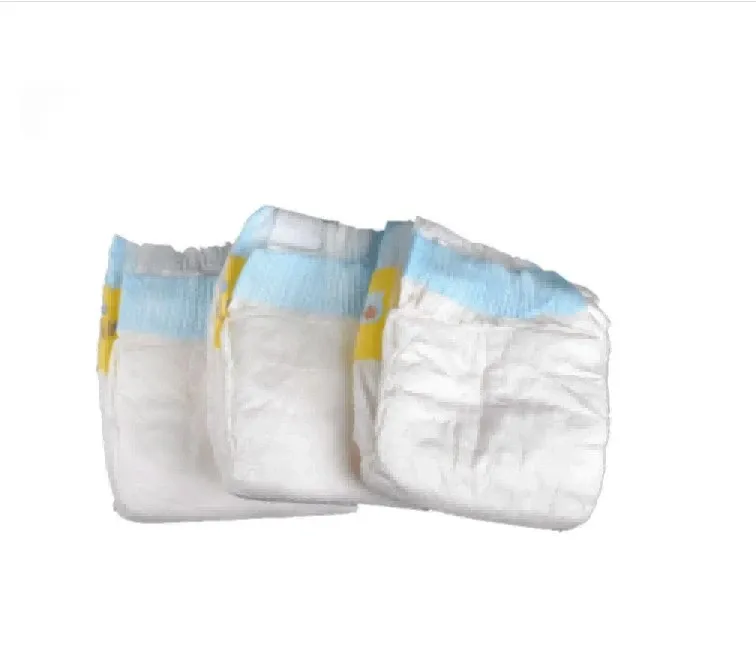
Disposable diapers are convenient for short-term use — during a heat cycle, a post-surgery recovery week, or travel. They’re hygienic since you simply discard after use, and many feature ultra-thin, breathable cores that keep your pet dry without bulk. The trade-off is ongoing cost and environmental impact.
Reusable/washable diapers are more economical over time, especially for pets with chronic incontinence. They’re typically made from soft cotton or microfibre blends, are gentle on sensitive skin, and come with adjustable velcro or snap closures. The downside is that they require regular washing, and absorbency can decrease over many cycles.
For pets experiencing occasional incontinence or going through their first heat cycle, starting with disposables makes sense. For senior pets with long-term urinary issues, investing in a set of quality washable diapers often saves money and reduces waste.

Tips for Introducing Your Pet to Wearing a Diaper
Even with the perfect fit, some pets need time to accept wearing a diaper. Rushing this process can create anxiety. Here’s a gentle approach:
Start by letting your pet sniff the diaper before putting it on. Allow them to associate it with positive things — treats, praise, or playtime. Then place the diaper on briefly (just a few minutes) while actively engaging your pet with their favorite activity. Gradually increase the wearing time over several days.
Never leave a diaper on for longer than four hours without checking it. Prolonged contact with a wet diaper can cause skin irritation, rashes, or yeast infections, especially around the hindquarters. Change diapers promptly after urination or soiling, and clean the area gently with unscented pet wipes before putting on a fresh one.
 Disposable female dog diaper wrap with superior leak protection and adjustable fit
Common Mistakes to Avoid
Choosing size based on breed alone is unreliable. Body shape varies enormously even within the same breed. Always measure — a small but stocky dog may need a larger size than expected.
Leaving the diaper on too long is one of the most frequent issues new pet owners face. Set reminders to check and change diapers regularly, particularly during heat cycles when discharge can be heavier.
Ignoring skin health underneath the diaper. Even high-quality diapers trap some heat and moisture. Check your pet’s skin daily for redness, raw spots, or unusual odor, and allow diaper-free time whenever possible.
Using human baby diapers as a substitute. While tempting in a pinch, baby diapers are not designed for a pet’s anatomy — they don’t accommodate a tail and don’t conform to the quadruped body shape. They’re also more likely to leak and can restrict movement.
Conclusion: Comfort, Cleanliness, and Care
Female pet diapers, when chosen and used correctly, make a real difference in quality of life — for both you and your pet. Whether you’re managing a heat cycle, supporting an aging companion, or helping a pet recover from surgery, the right diaper offers a hygienic, comfortable, and practical solution.
Take the time to measure carefully, introduce the diaper gradually, and change it regularly. With the right fit and consistent care, most pets adjust quickly and can go about their daily activities without disruption.
Explore options like female dog diapers with tail holes, ultra-soft disposable versions for cats, or premium reusable wraps with superior leak protection — and find the product that best fits your pet’s needs and your lifestyle.
References:
- American Kennel Club (AKC) — Managing Your Dog’s Heat Cycle: akc.org
- Cornell University College of Veterinary Medicine — Urinary Incontinence in Dogs and Cats: vet.cornell.edu
- PetMD — How to Use Dog Diapers: petmd.com