
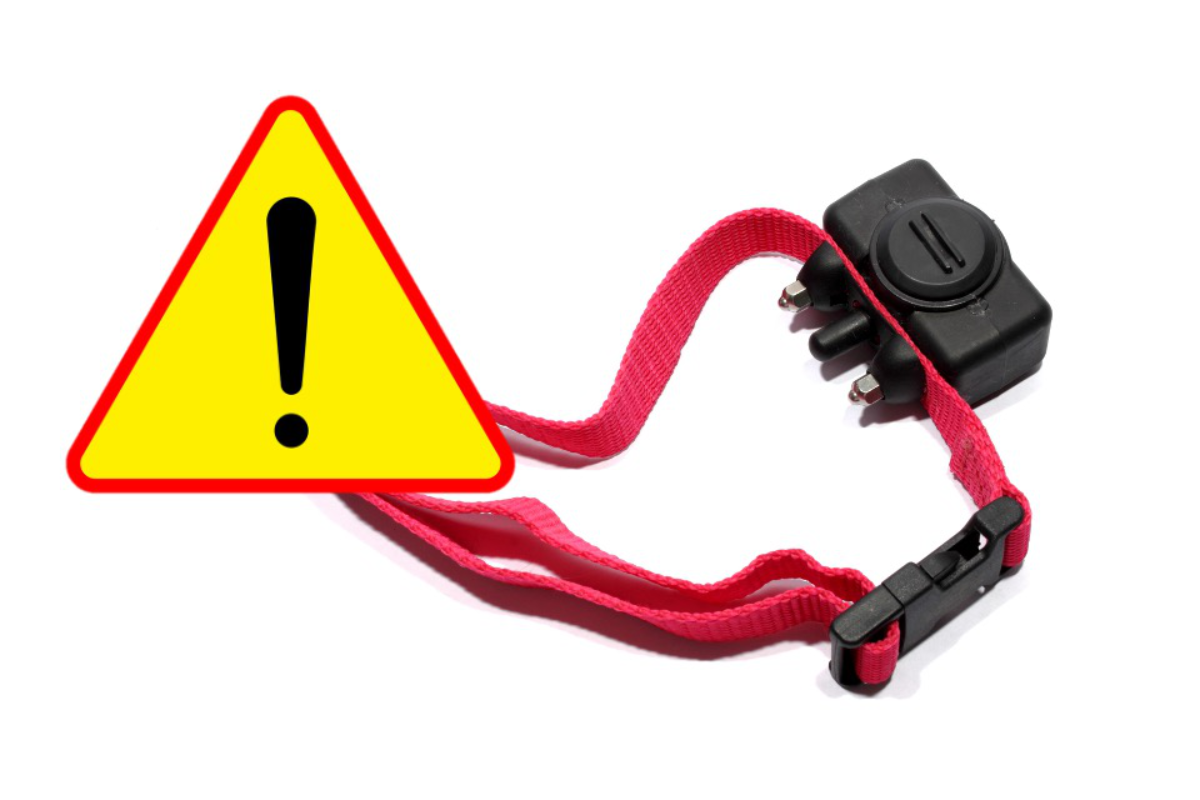
Dealing with a dog’s separation anxiety can be incredibly challenging for guardians. The constant barking, destructive chewing, and house soiling can lead to stress, neighbor complaints, and a desperate search for quick solutions. In these moments, it’s understandable why guardians might consider tools like bark collars, hoping for an immediate fix. However, this article delves into why these aversive tools are not only ineffective in the long run but can also exacerbate the underlying fear and anxiety in dogs.
Understanding Separation Anxiety
Separation anxiety in dogs is not about a dog being “naughty” or spiteful; it’s a genuine panic response stemming from an extreme fear of being alone. Just as humans can have irrational phobias, dogs experiencing separation anxiety are overwhelmed by fear, overriding any rational understanding that their guardians will return. This intense fear can manifest in behaviors like excessive barking, chewing furniture, or eliminating indoors, which are not acts of defiance but desperate attempts to cope with distress.
The Allure of a “Quick Fix”
When faced with the difficulties of separation anxiety, the desire for an immediate solution is strong. The pressure from neighbors, landlords, or the sheer emotional toll of dealing with these behaviors can make guardians feel like they are crumbling. This desperation often leads to the consideration of tools that promise to quell the symptoms, such as bark collars.
How Bark Collars Work and Why They Fail
Bark collars, whether they use citronella spray or electric shocks, rely on creating an unpleasant or startling sensation to deter barking. For these collars to have any effect, the dog must find the stimulus aversive enough to avoid it. While they may temporarily suppress barking, they do not address the root cause of the dog’s distress – the fear of being alone.
Using a bark collar on a dog already suffering from separation anxiety is akin to punishing someone for panicking. Instead of making the fear better, it adds another layer of unpleasantness and fear to an already terrifying situation. The dog may stop barking to avoid the shock or spray, but their underlying anxiety remains, and can even worsen. This can lead to a phenomenon known as “fallout,” where the dog redirects their anxiety into other, potentially more severe, behaviors like destruction, self-mutilation, or increased house soiling. The example of Baldwin the Bulldog, who experienced escalating fear and continuous shocks with his bark collar, illustrates this point clearly.
The Effective Solution: Desensitization and Counter-Conditioning
The good news is that separation anxiety is treatable without resorting to fear-based methods. The key lies in addressing the dog’s fear directly and teaching them to feel safe when left alone. This is achieved through a process called desensitization and counter-conditioning.
Desensitization involves gradually increasing the duration of absences, starting with very short periods that the dog can comfortably handle. Counter-conditioning pairs these absences with positive experiences, such as high-value treats or favorite toys, to help the dog associate being alone with good things. This approach builds the dog’s confidence and reduces their fear over time, leading to a lasting solution.
The Long-Term Perspective
While bark collars offer a seemingly quick fix, they are a superficial solution that can lead to more significant problems. True resolution for separation anxiety requires patience, understanding, and a commitment to addressing the dog’s emotional well-being. By focusing on positive reinforcement and gradual exposure, guardians can help their dogs overcome their fears and live happier, more relaxed lives when left alone. For guardians struggling with separation anxiety, seeking guidance from professionals who specialize in this area is highly recommended.