
When it comes to our canine companions, their playful nature often leads to minor injuries like abrasions and cuts. While immediate veterinary attention isn’t always necessary, being prepared with a dog first-aid kit is crucial for managing these incidents at home. This kit should contain essentials such as bandages, cleaning solutions, tweezers, clean towels, and antibacterial ointment. Including calming aids like small treats, a favorite toy, a soft blanket, and an extra harness and leash can also be beneficial during stressful times. Pre-made kits are available, or you can assemble your own. Even for more severe injuries requiring a vet visit, a well-stocked first-aid kit can help stabilize your dog’s condition and prevent it from worsening on the way to professional care.
Essential Bandaging Materials for Dogs
When bandaging a dog’s wound, a sterile gauze pad is a fundamental tool. Applying direct pressure with a gauze pad can effectively stop bleeding from scratches, cuts, and abrasions. It also serves to keep a healing wound clean, thereby preventing infection and discouraging your dog from reopening it. Gauze pads come in various sizes to accommodate different wound dimensions.
For wounds located on the abdomen or neck, which can be difficult to bandage, a many-tailed bandage is often the most suitable option. This type of bandage is rectangular with strips or tails cut into its ends, allowing it to be wrapped securely around the abdomen or neck, with the tails tied to hold it in place.
Fractured bones in dogs require immediate immobilization until veterinary assistance can be obtained. To stabilize a broken bone, gently place a splint (such as a stick) alongside the affected area and secure it with rolled gauze, an adhesive bandage, or an elastic bandage.
Rolled Gauze
Rolled gauze is versatile; it can be used on its own or to secure a gauze pad over a wound, particularly on a limb or the head. Once the gauze pad is in place, rolled gauze can be wrapped around the injured area and secured with first-aid tape.
Self-Adhesive Bandage
A self-adhesive bandage offers a convenient way to secure a dog bandage. These bandages are typically elastic and designed to stick to themselves, eliminating the need for separate tape or fasteners.
Elastic Bandage
Elastic bandages are also effective for bandaging dogs. Beyond holding a gauze pad in place, they can provide compression to reduce swelling in an injured area. Most elastic bandages are fastened with Velcro® or metal clips.
Liquid Bandage
For minor wounds like small scratches, a liquid bandage provides a convenient and waterproof protective cover. This liquid is applied directly to the wound and allowed to dry, forming a barrier against infection.
Treating Dog Wounds at Home
Before attempting to bandage a wound, it’s essential to keep your dog as calm as possible. Pain and distress can alter a dog’s temperament, so gentle soothing and, if possible, having an assistant to help hold the dog steady are recommended.
Controlling Bleeding
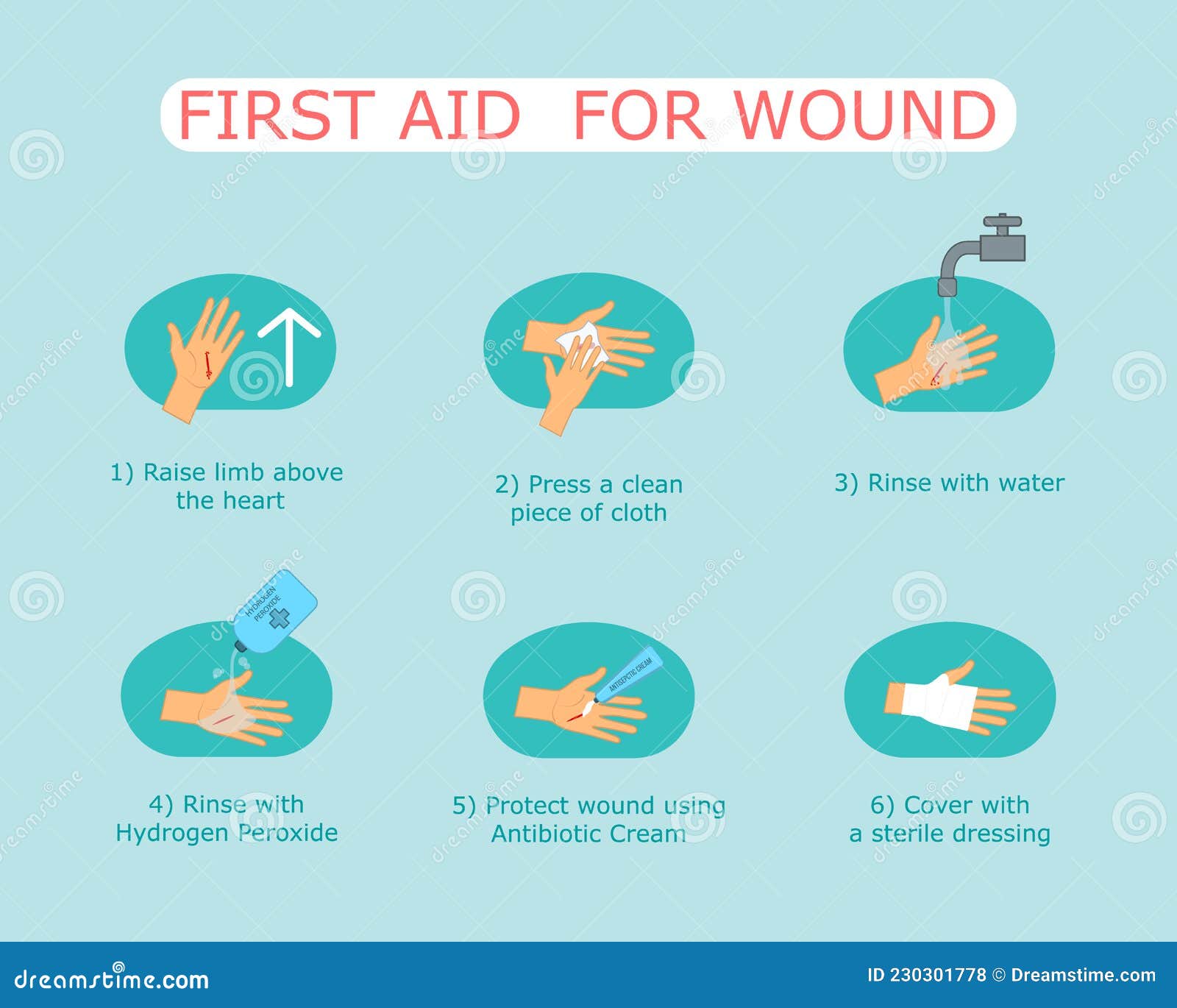
If the wound is actively bleeding, apply gentle pressure with a clean towel. Bleeding from minor cuts should typically stop within a few minutes. If bleeding persists, seek veterinary attention immediately.
Cleaning the Wound
Use a water bottle to flush out any dirt or debris from the wound. For deeper puncture wounds, thorough cleaning is essential before proceeding to the next steps.
Removing Foreign Objects
Utilize tweezers to carefully remove any visible foreign objects, such as sticks or glass, from the wound. A magnifying glass can be helpful for locating and removing smaller debris. Ensuring the wound is completely free of foreign matter before bandaging is critical to prevent complications and infection.
Disinfecting the Wound
Apply a disinfectant to the wound using an applicator. Diluted chlorhexidine or Betadine are suitable options. Avoid using hydrogen peroxide or rubbing alcohol, as these can damage delicate tissue and delay healing.
Bandaging the Wound
After disinfecting, apply a thin layer of antibacterial ointment. Cover the wound with a sterile bandage and secure it with an elastic tape. To prevent the dog from interfering with the bandage, an Elizabethan collar (cone) may be necessary during the healing process.
Remember to reward your dog with praise and treats for its cooperation during the treatment.
Optimal Bandage Placement on Dogs
Bandages can be applied to various parts of a dog’s body, including the head, neck, tail, chest, and lower legs. However, keeping bandages in place on the upper body and front limbs can be challenging. If your dog sustains a wound in these areas, it is advisable to consult a veterinarian.
Understanding Dog Bandage Layers
Dog bandages typically consist of several layers, each serving a specific purpose. Standard adhesive bandages may not adhere well to a dog’s fur, making multi-layered bandages more effective. Dogs may also try to remove bandages that aren’t securely fastened. A bandage typically comprises three to four layers.
First Layer: The Dressing
This primary layer is the wound dressing. For uninfected wounds, a non-stick bandage can be used. If the wound is infected, an antiseptic-infused adhesive bandage can help manage the infection.
Second Layer: Cushioning and Security
The second layer provides cushioning and secures the dressing. This layer is usually made of pet-friendly rolled gauze, cotton, or synthetic padding. The thickness of this layer should be adjusted based on the severity of the wound.
Third Layer: Protection
This layer typically consists of an elastic material that wraps around the wound without adhesive, offering a more rigid protective barrier for the underlying layers and preventing moisture from reaching the wound.
Final Layer: Secure Fastening
The final layer, whether the third or fourth, is usually a strong surgical tape designed to adhere to the fur, preventing the dog from dislodging the bandage. A multi-tailed bandage can also serve as the final layer, providing secure closure and aiding in easier removal later.
Bandage Care and Monitoring
Throughout your dog’s healing process, regularly monitor the bandage for any changes in color or signs of renewed bleeding. If the wound shows signs of infection, the bandage should be replaced every 1-3 days. It’s crucial to keep the bandage dry and to check periodically for tightness, especially if inflammation occurs around the wound.
Checking for Tenderness or Discoloration
Examine the skin surrounding the bandage for any tenderness or discoloration, which could indicate deeper tissue injury. Ensure your dog is not chewing or pulling at the bandage; an Elizabethan collar may be necessary to prevent this.
Restricting Movement
For the initial few days of healing, limit your dog’s strenuous activities and unnecessary movements. If you have an Emotional Support Animal (ESA), using a plastic bag to cover the bandage can protect it from moisture when outdoors. In more severe cases, confining your dog to a room or crate can prevent tampering with the bandage.
Additional Veterinary Information
For serious injuries, understanding further steps is essential for your dog’s recovery. Pain relievers may be necessary for severe injuries, and in some cases, leaving a wound unbandaged might be the best course of action. Topical treatments can also help prevent infection and promote drainage. Always consult your veterinarian to determine the most appropriate treatment for your pet.
Medications
Your veterinarian may prescribe pain-relieving medications such as carprofen, meloxicam, or deracoxib for wounds that cause significant pain and discomfort. These medications are widely available.
Unbandaged Wounds
Certain dog wounds, particularly if they are not severe or are located in difficult-to-bandage areas, may be best left open to heal naturally. Bandaging in such cases could introduce bacteria and complicate the healing process.
Overnight Stays
For severe wounds, a veterinarian might recommend an overnight stay at a veterinary hospital. This allows for continuous monitoring and immediate intervention if needed, ensuring optimal care during the critical healing phase.
Prioritizing your dog’s health is fundamental to their well-being and their role as a companion or support animal. Proper bandaging and wound care promote faster healing, enabling your dog to return to its active and joyful self.
For more helpful pet care information and resources, visit Pettable’s blog.