
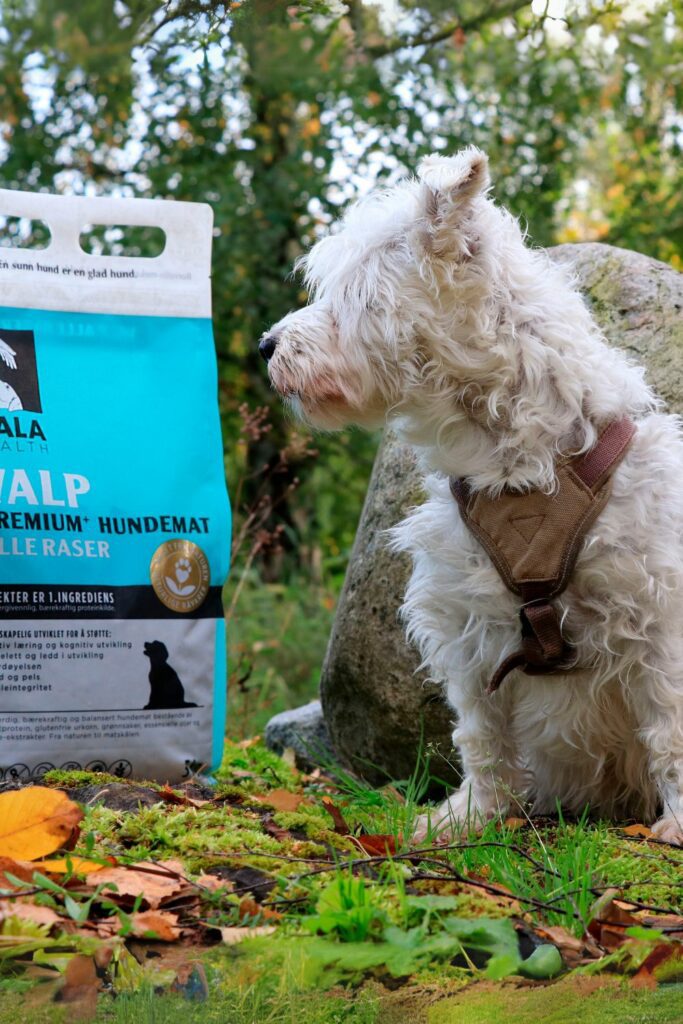
Acid reflux, also known as gastroesophageal reflux disease (GERD), is a condition where stomach acid flows back into the esophagus. This can cause irritation, inflammation, and damage to the esophageal lining. While it shares similarities with acid reflux in humans, it’s crucial to understand its specific manifestations and causes in dogs. This condition is particularly prevalent in brachycephalic breeds like Pugs due to their shorter esophagus. It’s important to distinguish acid reflux from vomiting, which involves abdominal contractions, whereas reflux occurs suddenly without warning.
Recognizing the Symptoms of Acid Reflux in Dogs
Observing your dog for specific behaviors and physical signs can help in identifying acid reflux. Discomfort is a primary indicator. Key symptoms include:
- Excessive lip licking or air licking
- Frequent empty swallowing or gagging
- Changes in appetite (decreased or increased)
- Vomiting bile
- Burping or belching
- Eating non-food items like dirt or grass
- Unpleasant breath originating from the stomach, not just dental issues
- Teeth grinding or jaw snapping
- Painful swallowing, possibly leading to crying or reluctance to eat
- Coughing, laryngitis, wheezing, or aspiration pneumonia due to inhaling acid
- Alterations in vocalization
- Restlessness and an inability to get comfortable
- A hunched posture indicating discomfort or tightness
- Lethargy and reluctance to move
- Unexplained weight loss
- In severe cases, vomiting blood (hematemesis) due to esophageal ulceration
- Abnormal laboratory test results
Potential Causes of Acid Reflux in Dogs
The causes of acid reflux in dogs are multifaceted and can range from diet to underlying health conditions. These include:
- Dietary Factors: Highly processed foods, nutrient deficiencies, and food sensitivities can contribute.
- Digestive System Issues: Microbiome imbalances (like SIBO, yeast or bacterial overgrowth, parasites), inflammation of the digestive tract, Inflammatory Bowel Disease (IBD), and impaired nerve flow to sphincters are significant factors. [¹]
- Physical Conditions: Being overweight, slow or inappropriate peristalsis (delayed stomach emptying), hiatal hernias, and tumors can all play a role.
- Medical Interventions: Antibiotic drugs can disrupt the gut microbiome, and anesthesia can slow down bodily processes, necessitating a waiting period before feeding.
- Physiological Factors: Overproduction of stomach acid due to stress or certain foods, or underproduction leading to improper sphincter closure, are common. Young dogs may also have underdeveloped esophageal sphincters that improve with age.
- Other Health Issues: Chronic vomiting related to pancreatitis or kidney/liver problems, myasthenia gravis/megaesophagus (an autoimmune disease affecting nerve signals), and trauma to the throat area can also lead to acid reflux.
- Stress: High stress levels can lead to microbiome imbalances, increasing the likelihood of infection, inflammation, and digestive slowdown or acceleration.
Diagnosing Acid Reflux in Dogs
Due to the wide array of potential causes, a thorough diagnostic approach by a holistic veterinarian is recommended to pinpoint the root problem. Dr. Odette Suter, DVM, emphasizes a comprehensive physical examination, including:
- Nervous System Evaluation: Checking for pain along the esophagus, range of motion, and performing a neurologic and chiropractic exam. Chiropractic adjustments can sometimes resolve the issue.
- Physical Manipulation: Visceral manipulation to ensure proper organ movement and a cranio-sacral exam to check for vagus nerve restrictions.
- Postural Assessment: Even issues like untrimmed toenails can affect posture and movement, leading to misalignments that can impact the vagus nerve. Misalignments in the elbow or wrist can cause neck tension, potentially compressing this crucial nerve.
Diagnostic tools may also include:
- Natural Antacids: Administering a natural antacid can serve as a diagnostic tool to assess acid levels.
- Microbiome Testing: To evaluate the gut flora and identify imbalances.
- Parasite Screening: Checking for the presence of parasites.
- Advanced Imaging: In severe cases, biopsies, endoscopy, ultrasound, X-rays, or fluoroscopy might be necessary. [²]
Conventional vs. Natural Approaches to Acid Reflux Management
Conventional medications for acid reflux in dogs, such as prokinetic drugs and acid neutralizers, may offer symptomatic relief but often don’t address the underlying cause and can carry significant side effects. These risks include increased bone fractures due to calcium malabsorption, potential autoimmune responses, reduced absorption of essential nutrients like B12, iron, and magnesium, and even a potential link to stomach cancer with long-term use of certain drugs like omeprazole in humans.
Safer, natural remedies focus on supporting the dog’s overall health and digestive system.
Natural Remedies and Dietary Support
Nutrients and supplements that can aid in managing acid reflux include:
- Zinc: Essential for hydrochloric acid (HCl) production.
- Digestive Enzymes: Support pancreatic function and aid in food digestion. [³]
- Probiotics: Help restore and rebalance the gut microbiome, promoting beneficial bacteria. [⁴]
- Ashwagandha: Can be used for stress management for both the dog and the owner.
- Fecal Transplants: May be recommended for some dogs by specialized veterinarians.
When it comes to diet, it’s advisable to:
- Avoid Processed Foods: Steer clear of dry kibble with grains, starches, chemical preservatives, and low nutritional value.
- Focus on Whole Foods: Feed high-moisture meals made from gently cooked meats and lightly steamed vegetables.
- Adjust Feeding Schedule: Offer smaller, more frequent meals. Lowering fat and protein content can also reduce stomach acid release. A late-night snack can prevent an empty stomach overnight.
- Address Food Sensitivities: Implement an elimination diet to identify and avoid trigger foods.
Natural Antacids and Soothing Agents
Several soothing herbs act as natural antacids, calming irritation in the esophagus and stomach lining. These include ginger, slippery elm, licorice, and marshmallow root. Pure organic aloe vera juice can also provide a coating effect. Ripe bananas possess natural antacid properties that can offer relief. Ginger or chamomile tea can be soothing; prepare ginger tea by simmering ginger slices in water for 30 minutes, then cooling and serving.
Lifestyle Adjustments
Regular exercise is crucial not only for reducing stress and promoting endorphin release but also for facilitating the movement of internal organs and the digestive system.
The Interplay of Anatomy and Digestion
A dog’s anatomy, nervous system, and microbiome are intricately linked to good digestion. Conditions like arthritis can lead to stiffness, impacting the digestive process.
- Diaphragm and Sphincter Function: The diaphragm plays a role in closing the esophageal sphincter. A hiatal hernia can enlarge this opening, allowing food and acid to back up.
- Central Nervous System: The gut has an extensive network of nerves that influence organ function and the movement of food.
- Vagus Nerve: This major nerve integrates various organs. Injury or disruption can significantly impair digestion. Age can also affect nerve flow.
- Fascia: This connective tissue surrounds muscles and organs. Tightness from scar tissue (e.g., after spay/neuter surgery or gastropexy) or arthritis can restrict movement and affect digestion.
- Microbiome: An unbalanced microbial flora can impact the esophageal sphincter’s function. The microbiome plays a critical role in brain chemistry, behavior, digestion, and immune modulation. An imbalance can increase inflammation and hinder digestion, contributing to conditions like leaky gut. [⁵]
The Role of Stomach Acid:
Appropriate levels of hydrochloric acid (HCl) are vital for breaking down proteins, absorbing nutrients, eliminating pathogens, and preventing the overgrowth of harmful bacteria in the upper gastrointestinal tract.
- Hypochlorhydria (low HCl): Can lead to SIBO, fungal overgrowth, increased intestinal permeability (leaky gut), and food sensitivities.
- Hyperchlorhydria (high HCl): Can cause ulcers in the stomach and esophagus, and esophageal inflammation.
Given the complexity of acid reflux in dogs, a holistic approach that considers the interplay of diet, anatomy, and overall health is essential for effective management and restoring your dog’s well-being.
References:
Dowling PM, DVM, MSc, DACVIM, DACVCP. Therapy of gastrointestinal ulcers (monogastric). 2015 Mar.
Side effects of metoclopramide for dogs. Canna-pet. 2017 Nov 28.
Metoclopramide: risk of neurological adverse effects. Medicines and Healthcare products Regulatory Agency. 2014 Dec 11.
Barbuzano J. Understanding how the intestine replaces and repairs itself. HSCI Communications. 2017 Jul 14.
Alirezaei M, et al. Short-term fasting induces profound neuronal autophagy. Autophagy. 2010 Aug 16;6(6):702–710.