
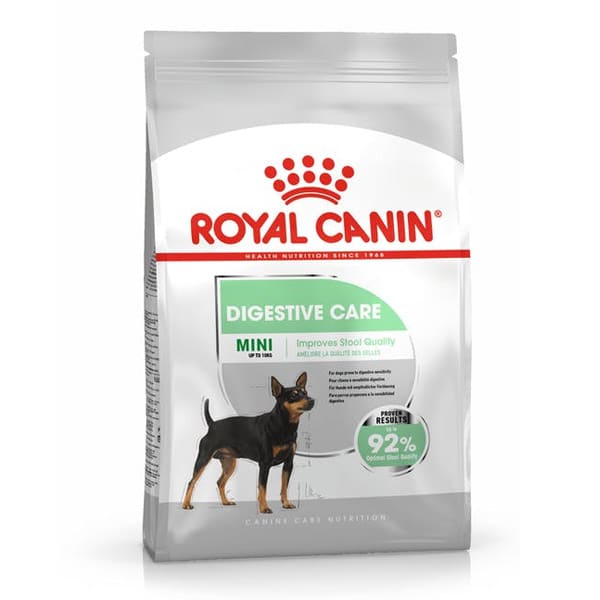
Welcoming a small-breed dog into your home brings immense joy, but it also comes with unique health considerations. Many owners of small breeds, such as Jack Russell Terriers, Westies, or Poodles, soon discover that their companions can be surprisingly delicate. One of the most common challenges is a sensitive digestive system, which can manifest as soft stools, intense odors, or a general lack of energy. Selecting the right nutrition is the first and most critical step in ensuring your pet leads a comfortable and vibrant life.
For dogs weighing between 1 kg and 10 kg, the gastrointestinal tract is a highly sensitive organ. External factors like a sudden change in diet, environmental stress, or an unbalanced nutritional profile can quickly lead to discomfort. If you have noticed your dog struggling with digestive issues, Royal Canin Mini Digestive Care is a specialized solution designed to support gut health and improve stool quality through scientifically backed ingredients.
Understanding the Needs of Small Dogs with Sensitive Digestion
Small dogs often have high metabolic rates but small stomachs, meaning every bite of food must be nutrient-dense and easy to process. When a dog has a sensitive digestive tract, the nutrients in standard kibble might not be fully absorbed, leading to fermentation in the gut. This process is often the culprit behind unpleasant odors and digestive upset.
A targeted diet addresses this by using high-quality, pre-treated proteins. Royal Canin utilizes L.I.P. (Low Indigestible Proteins), which are selected for their very high digestibility—guaranteed to be at least 95% digestible. By ensuring that the protein is absorbed before it reaches the lower intestine, the food minimizes the risk of fermentation and helps maintain a healthy balance of gut flora.
Key Benefits of Royal Canin Mini Digestive Care
This formula goes beyond basic nutrition by incorporating specific functional ingredients that cater to the holistic health of your small breed dog:
- Optimal Gut Flora: The inclusion of fermentable fibers, such as fructo-oligosaccharides (FOS), acts as a prebiotic. This nourishes the beneficial bacteria in the gut, promoting a stable and healthy internal environment.
- Omega-3 Fatty Acids: Sourced from fish and soya oil, these essential fats are known for their anti-inflammatory properties. They support the immune system and can even improve oxygen supply to the brain, which is beneficial for active small dogs.
- Dental Health Protection: Small breeds are notoriously prone to dental issues like tartar buildup. This kibble contains pentasodium triphosphate, which binds calcium in the saliva to help prevent the formation of tartar on the teeth.
- Enhanced Skin and Coat: A sensitive stomach often correlates with sensitive skin. With a blend of Vitamin A, Biotin, and Zinc, this food strengthens the skin’s barrier function and promotes a glossy, healthy coat.
Implementing a Successful Feeding Transition
When moving your dog to a specialist diet like Royal Canin Mini Digestive Care, consistency is key. Small dogs can be fussy eaters, but the specific kibble shape and natural aromas of this formula are designed to appeal even to the most discerning appetites. For the best results, many veterinarians recommend a “mixed feeding” approach, combining dry kibble with a compatible wet food pouch to increase hydration and palatability.
Always monitor your dog’s weight and activity levels. A dog with high activity may require a slightly larger portion than a lap dog with a sedentary lifestyle. Additionally, ensure that fresh water is available at all times, as proper hydration is essential for the digestive process to function smoothly.
Conclusion
Caring for a small dog with a sensitive stomach requires patience and the right nutritional tools. By choosing a diet specifically formulated for digestive sensitivity, you can alleviate discomfort and improve your pet’s overall quality of life. Royal Canin Mini Digestive Care provides a comprehensive approach, addressing everything from gut health and stool quality to dental hygiene and coat shine.
If your dog continues to experience chronic digestive issues despite a diet change, it is always best to consult with your veterinarian to rule out underlying medical conditions. With the right care and nutrition, your small companion can enjoy a happy, healthy, and active life without the burden of digestive distress.
References
- World Small Animal Veterinary Association (WSAVA): Guidelines on nutrition and gastrointestinal health in small breeds.
- Royal Canin Veterinary Research: Studies on the digestibility of L.I.P. proteins in canine diets.
- Journal of Animal Science: Research regarding the impact of prebiotics (FOS) on the intestinal microbiome of dogs.