
Oldies music continues to captivate listeners across generations, and few songs represent its enduring appeal better than Frank Sinatra’s “My Way.” More than just a classic pop standard, the song has become a cultural symbol of independence, reflection, and personal dignity. Decades after its release, it remains one of the most recognizable recordings in the history of American music, proving that timeless songwriting can transcend changing musical trends and technological eras.
Why “My Way” Became an Oldies Music Classic
Frank Sinatra’s recording of “My Way” achieved an extraordinary milestone by spending 124 weeks on the UK Singles Chart, longer than any other song in the chart’s history. This remarkable accomplishment placed it well ahead of its closest competitor, Judy Collins’ recording of “Amazing Grace.”
Although modern audiences can instantly stream millions of songs, “My Way” continues to stand apart because its message remains universally meaningful. It celebrates a life lived according to one’s own values, making it one of the defining songs of the golden era of American music.
The Story Behind the Song
“My Way” was recorded on December 30, 1968, at Western Recorders in Los Angeles. The recording session itself was unusual because Sinatra rarely recorded in the afternoon. Around 3:00 PM, approximately 40 musicians, conducted by Sinatra’s longtime pianist Bill Miller, gathered to create what would become one of the most iconic recordings in popular music.
The song did not originally begin as an English composition. Its origins can be traced to the French song “Comme d’Habitude” (“As Usual”), written by Jacques Revaux, Gilles Thibault, and Egyptian-born French singer Claude François.
Before Sinatra recorded it, Canadian singer-songwriter Paul Anka obtained the rights to adapt the song. Rather than translating the original lyrics directly, Anka created entirely new English lyrics specifically with Frank Sinatra in mind. His version transformed the French ballad into the inspirational anthem recognized around the world today.
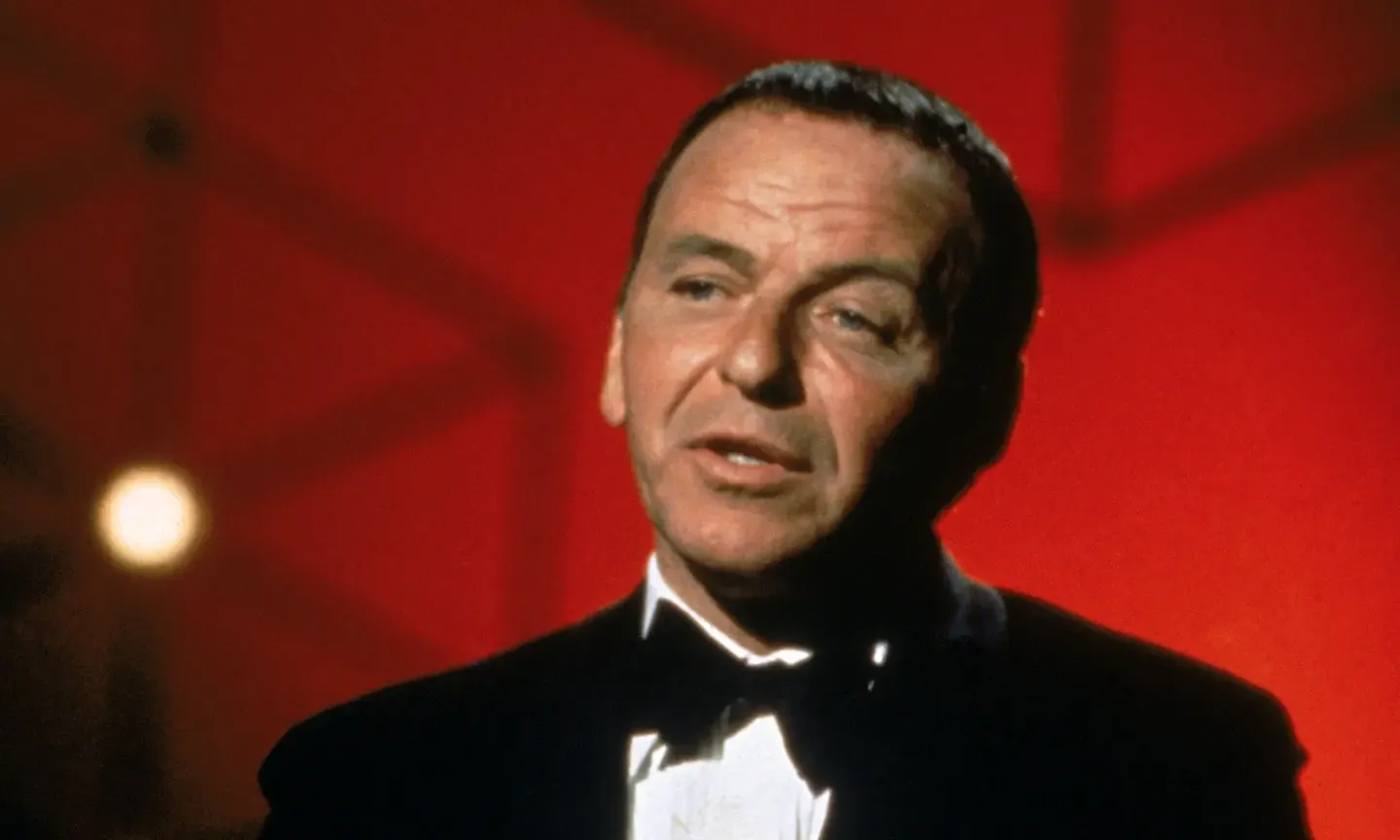
David Bowie Nearly Recorded a Different Version
Interestingly, David Bowie attempted to write English lyrics for “Comme d’Habitude” before Paul Anka completed his adaptation. Bowie’s version, titled “Even A Fool Learns To Love,” featured completely different lyrics and musical direction.
However, the demo was ultimately rejected, leaving the opportunity open for Paul Anka’s interpretation. That decision would eventually shape one of the greatest songs in oldies music history.
Chart Success and Lasting Popularity
Frank Sinatra’s version entered the Billboard Hot 100 during the final week of March 1969, debuting at No. 69, the highest new entry of that week.
Six weeks later, it reached No. 27 on the American chart. While this may seem modest considering its legendary status today, the song performed even better in the United Kingdom, climbing to No. 5. Its success also helped the album My Way become especially popular among British audiences during the summer of 1969.
Over time, the song’s influence extended far beyond chart rankings. It evolved into a signature farewell song, a popular karaoke favorite, and a staple at celebrations around the world.
Famous Artists Who Recorded “My Way”
One reason “My Way” has remained relevant is the remarkable number of artists who have recorded their own interpretations.
Some of the best-known versions include:
- Brook Benton, who brought the song to the U.S. charts in 1970.
- Elvis Presley, whose recording reached No. 22 after being released as his first posthumous single in 1977.
- Sid Vicious of the Sex Pistols, whose punk-inspired interpretation reached No. 7 in the United Kingdom.
- Shane MacGowan, lead singer of The Pogues, who later brought another distinctive version into the UK Top 30.
Each artist approached the song differently, yet all preserved its central message of reflecting honestly on one’s life. These diverse recordings demonstrate how classic American music can cross genres, generations, and cultures while maintaining its emotional impact.
Why “My Way” Still Resonates Today
Few songs have achieved the universal recognition enjoyed by “My Way.” Whether performed by a jazz vocalist, a rock musician, or a punk singer, its themes remain instantly relatable.
The song speaks about personal responsibility, resilience, pride, and accepting both successes and mistakes. Those timeless ideas explain why audiences from different backgrounds continue to embrace it decades after its original release.
Among fans of oldies music, “My Way” stands alongside the greatest recordings ever made because it combines exceptional songwriting, unforgettable performance, and emotional authenticity.
If you are exploring classic American music or discovering the golden era of popular songs for the first time, Frank Sinatra’s masterpiece deserves a place at the top of your listening list.
Conclusion
Frank Sinatra’s “My Way” remains one of the defining achievements of oldies music. From its French origins and Paul Anka’s inspired English lyrics to Sinatra’s unforgettable performance and countless cover versions, the song has become a lasting symbol of individuality and timeless artistry.
Its enduring popularity proves that great music never loses its relevance. Explore this unforgettable classic—and discover more timeless oldies music that continues to inspire listeners around the world.