
Oldies music has long been a gateway into the cultural heartbeat of 20th-century America, and few figures embody this golden era more than Elvis Presley. Known as “The King of Rock and Roll,” Elvis remains one of the most influential artists in oldies music history. With renewed global interest sparked by Baz Luhrmann’s Elvis (2022), audiences are revisiting not only his timeless songs but also the complex relationship that shaped his career—especially his controversial partnership with Colonel Tom Parker.
This article explores the truth behind one of the film’s most dramatic moments and dives deeper into the real-life dynamics between Elvis and his manager, offering international readers a clearer understanding of the cultural and historical context of American oldies music.
The Golden Era of Oldies Music and Elvis Presley
Oldies music, often referring to popular hits from the 1950s through the early 1970s, represents a transformative period in American music. It was a time when genres like rock and roll, rhythm and blues, and country merged to create a new cultural identity. Elvis Presley stood at the center of this revolution.
His music reflected the spirit of post-war America—youthful, rebellious, and full of energy. Songs like Hound Dog, Jailhouse Rock, and Love Me Tender not only dominated charts but also shaped global perceptions of American culture.
However, behind this dazzling success was Colonel Tom Parker, a manager whose influence over Elvis’ career has been both praised and criticized for decades.
Did Elvis Really Fire Colonel Parker On Stage?
One of the most talked-about scenes in Baz Luhrmann’s Elvis shows the singer dramatically firing Colonel Parker during a live performance in Las Vegas. While this moment is powerful cinematic storytelling, it is not historically accurate.
In reality, there was indeed a major conflict between Elvis and the Colonel in 1974—but it happened backstage, not in front of an audience. According to biographer Alanna Nash, both men reached a breaking point during this incident and temporarily parted ways.
The tension reportedly stemmed from Elvis publicly criticizing Barron Hilton during a performance, which escalated into a heated argument with Parker afterward. Despite this fallout, Elvis eventually returned to working with the Colonel due to financial pressures—highlighting the complicated dependency between artist and manager.
How Much Did Colonel Parker Earn from Elvis?
The financial relationship between Elvis and Colonel Parker remains one of the most debated topics in music history. It is widely believed that Parker took as much as 50% of Elvis’ earnings, a figure that has fueled criticism over the years.
However, some insiders argue this claim is exaggerated. Todd Slaughter, a long-time Elvis associate and fan club president, stated that Parker’s commission was closer to 25%, which aligned with industry standards at the time. The 50/50 split, he clarified, applied mainly to merchandising and licensing deals—not to Elvis’ overall income.
Still, Parker’s management decisions had lasting consequences. In 1980, a court ruled his practices unethical, revealing that Elvis had lost millions in songwriting royalties. One critical mistake was failing to register Elvis with the American Society of Composers, Authors, and Publishers (ASCAP), which significantly impacted his long-term earnings.
The Complex Legacy of Colonel Tom Parker
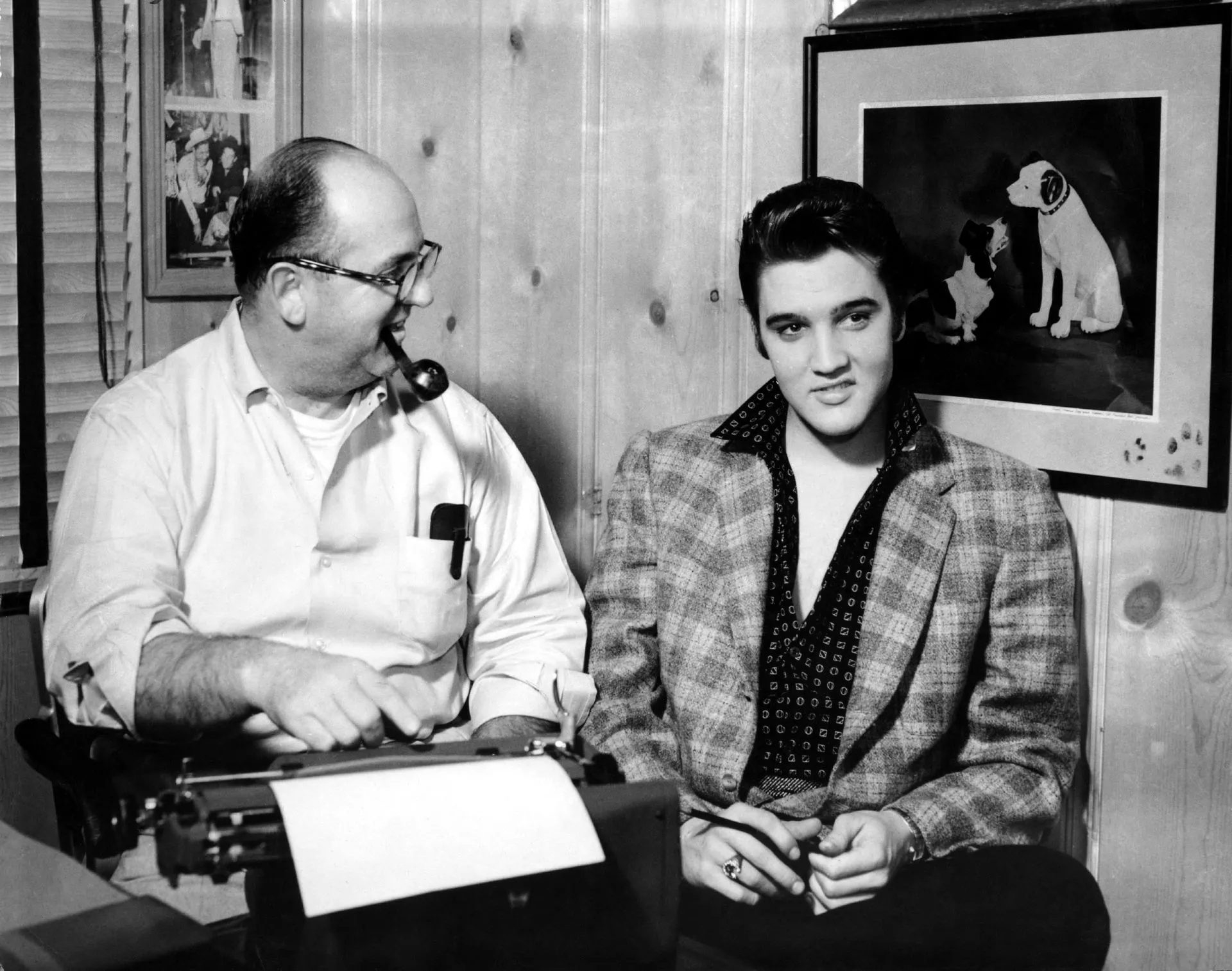
Colonel Parker’s influence extended far beyond Elvis’ lifetime. Even after the singer’s death in 1977, Parker continued to manage his estate and generate revenue from his legacy.
Yet, his own financial situation told a different story. Despite earning over $100 million throughout his career, Parker died with an estate worth only about $1 million. His gambling addiction, particularly in Las Vegas, led to massive debts—reportedly over $30 million to the Las Vegas Hilton.
This paradox highlights the darker side of the entertainment industry during the golden era of American music, where financial mismanagement could undermine even the greatest success.
What Did Colonel Parker Say After Elvis Died?
In the days following Elvis’ death, Colonel Parker made a statement that has since become infamous:
“Elvis didn’t die, the body did. We’re keeping Elvis alive.”
This remark reflected his approach to managing Elvis’ legacy—not as something that ended with death, but as a brand that could continue indefinitely. It also contributed to conspiracy theories suggesting Elvis might still be alive, a phenomenon not uncommon among legendary figures in oldies music.
Parker later reached a legal settlement with Elvis Presley’s estate, receiving $2 million in exchange for relinquishing rights to certain recordings and stepping back from management for a period of time.
Did Colonel Parker Attend Elvis’ Funeral?
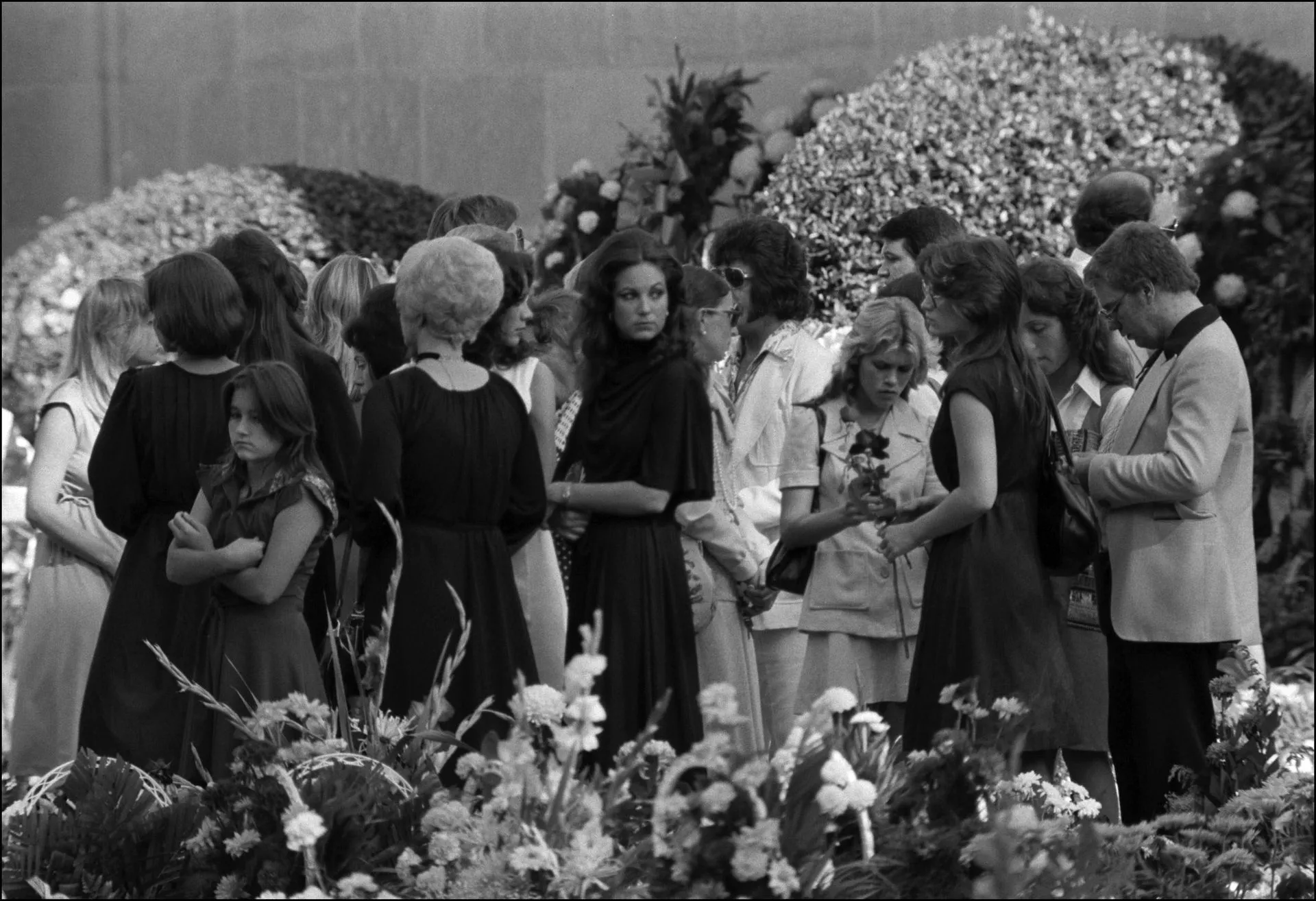
Yes, Colonel Parker did attend Elvis’ funeral—but his behavior raised eyebrows. Reports suggest he wore a Hawaiian shirt and baseball cap, showing little visible emotion during the ceremony.
More controversially, he allegedly persuaded Elvis’ father, Vernon Presley, to grant him continued control over Elvis’ career and film rights even after his death. This move reinforced the perception that Parker prioritized business over personal loyalty.
What Happened to Colonel Tom Parker?
Colonel Tom Parker passed away in 1997 in Las Vegas at the age of 87, outliving Elvis by two decades. In his later years, he suffered from multiple health issues, including diabetes and complications from a stroke.
At his funeral, Priscilla Presley delivered a memorable eulogy, acknowledging both the historic partnership and the complexities of Parker’s character. Her words captured the duality of a man who helped create a legend while also contributing to many of the controversies surrounding it.
Conclusion
The story of Elvis Presley and Colonel Tom Parker is more than just a tale of fame—it is a defining chapter in the history of oldies music and the American entertainment industry. While films like Elvis bring renewed attention to these stories, separating fact from fiction allows us to better appreciate the real legacy behind the legend.
Oldies music continues to resonate across generations, not only because of its unforgettable melodies but also because of the human stories behind it. Elvis’ journey—marked by brilliance, struggle, and complex relationships—remains a powerful symbol of this era.
If you’re fascinated by the golden age of American music, now is the perfect time to explore more of these timeless classics and uncover the stories that shaped them.