
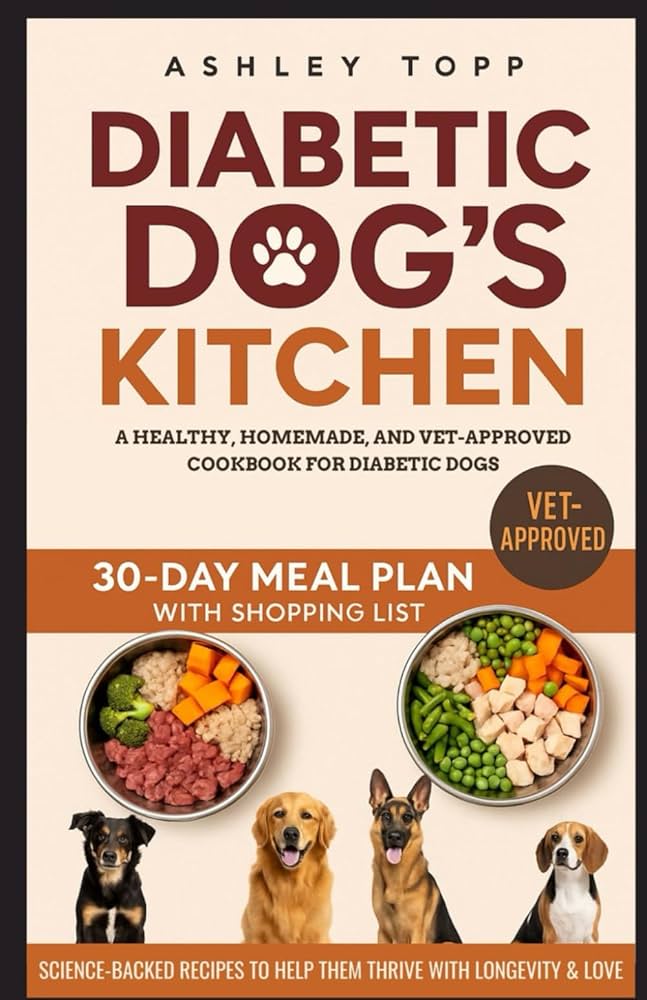
Managing diabetes in dogs can initially feel overwhelming, but the right diet can significantly improve your canine companion’s health and quality of life. By providing balanced, steady-energy meals, you can help control blood sugar levels, support a healthy weight, and enhance overall well-being. Choosing the best food for diabetic dogs goes beyond simply looking for “low-sugar” options; it requires understanding which nutrients best support your dog’s body in maintaining stability. This guide offers clear, veterinarian-inspired advice to help you confidently nourish your diabetic dog.
Understanding Diabetes in Dogs
Canine diabetes mellitus occurs when a dog’s body is unable to properly utilize glucose for energy. This can happen for two main reasons: either the pancreas does not produce sufficient insulin, or the dog’s cells become resistant to the insulin that is produced. This malfunction leads to elevated blood sugar levels, triggering common symptoms such as:
- Excessive thirst (polydipsia)
- Unexplained weight loss
- Increased frequency of urination (polyuria)
- A noticeable increase in appetite (polyphagia)
Given that diet has a direct and profound impact on glucose metabolism, selecting the appropriate food is one of the most potent tools available to pet owners for managing this condition.
What Constitutes Optimal Food for Diabetic Dogs?
Not all commercial dog foods are suitable for diabetic pets. The most effective diets for managing canine diabetes share several key nutritional characteristics:
1. High-Quality Protein
Protein is crucial for maintaining satiety, helping your dog feel full without causing rapid fluctuations in blood sugar levels. When selecting food, prioritize options where a real meat source—such as chicken, turkey, salmon, or beef—is listed as the primary ingredient.
2. Moderate to Low Fat Content
An excessive fat intake can elevate the risk of pancreatitis, a serious and potentially life-threatening condition, particularly for dogs with diabetes. Veterinarians generally recommend a diet with controlled, moderate fat levels.
3. Abundant Fiber
Dietary fiber plays a vital role in slowing down the absorption of glucose into the bloodstream, thereby aiding in blood sugar regulation. Insoluble fiber contributes to healthy digestion, while soluble fiber is particularly effective in managing glucose levels. Excellent sources of fiber for dogs include:
- Oatmeal
- Barley
- Sweet potato
- Pumpkin
4. Complex Carbohydrates
Unlike simple sugars that cause sharp spikes in blood glucose, complex carbohydrates are digested more slowly, releasing energy gradually. Opt for dog foods that contain complex carbohydrates like brown rice, whole oats, or barley, rather than ingredients such as corn syrup or refined white rice.
5. Controlled Portions and Limited Treats
Even the most carefully chosen diabetic diet will be ineffective if the dog is overfed. Consistency in meal timing and the precise control of portion sizes are just as critical as the nutritional balance of the food itself.
Top Veterinarian-Recommended Food Options for Diabetic Dogs
1. Prescription Diabetic Dog Food
Several reputable brands offer specialized prescription diets formulated specifically for glucose control in dogs. Examples include Hill’s Prescription Diet w/d and Royal Canin Diabetic. These foods are meticulously crafted with high fiber content, lean protein sources, and a carefully balanced ratio of carbohydrates.
2. High-Protein, High-Fiber Commercial Foods
For dogs that do not require a prescription diet, numerous high-fiber, low-glycemic commercial dog foods can be highly effective. When choosing these options, look for products that feature:
- Real meat as the first ingredient.
- Absence of artificial sugars.
- The use of whole grains instead of refined grains.
3. Fresh or Gently Cooked Dog Food
Diets prepared with fresh, whole ingredients can be easier for some dogs to digest and offer greater customization. When opting for fresh food, ensure the recipes are designed to support balanced glucose levels. For owners seeking tailored dietary strategies, nutritional counseling in Friendswood, TX can provide invaluable, personalized guidance to help manage diabetes effectively and safely.
4. Vet-Supervised Homemade Diets
Some owners prefer to prepare meals for their dogs at home. If this is your chosen path, it is imperative that a veterinarian or a qualified pet nutritionist develops the specific recipes. Homemade diets must be formulated with extreme precision to prevent nutrient imbalances.
Healthy Ingredients to Incorporate
Real, whole-food ingredients can naturally contribute to stabilizing blood sugar levels. Consider including the following beneficial components in your dog’s diet:
- Lean meats: Such as chicken breast, turkey, and white fish.
- Complex carbohydrates: Quinoa, barley, and whole oats are excellent choices.
- Nutrient-rich vegetables: Broccoli, green beans, and spinach offer valuable vitamins and minerals.
- Fiber sources: Pumpkin, sweet potato, and lentils are highly recommended.
It is essential to strictly avoid any foods containing corn syrup, cane sugar, molasses, or high-fat meats.
Ingredients to Exclude for Diabetic Dogs
Certain ingredients can exacerbate diabetes and make it more challenging to manage. It’s crucial to steer clear of:
- Sugary treats and table scraps.
- Foods excessively high in saturated fat.
- Refined carbohydrates like white rice and white potatoes.
- Products containing artificial flavors, colors, or fillers.
Gradually Transitioning Your Dog to a New Diabetic Diet
Sudden changes in a dog’s diet can lead to gastrointestinal upset. A slow and gentle transition is key to ensuring your dog adapts comfortably to a new diabetic diet:
- Days 1–2: Combine 75% of the old food with 25% of the new food.
- Days 3–4: Use a 50/50 ratio of old and new food.
- Days 5–6: Switch to 25% old food and 75% new food.
- Day 7: Feed 100% of the new diabetic diet.
Throughout this transition period, carefully monitor your dog for any signs of vomiting, diarrhea, or changes in appetite.
When to Seek Veterinary Consultation
It is important to schedule a veterinary appointment if your dog exhibits any of the following symptoms:
- Sudden and significant weight loss.
- Recurrent episodes of vomiting.
- A complete loss of appetite.
- Cloudiness in the eyes.
- Extreme and persistent thirst.
Dogs diagnosed with diabetes require regular veterinary check-ups to ensure their glucose levels are consistently managed and their overall health is maintained.
Providing the correct diet for diabetic dogs is paramount to supporting their long-term health and well-being. Balanced meals that are rich in high-quality protein, beneficial fiber, and complex carbohydrates are instrumental in controlling blood sugar levels and keeping your dog feeling energetic and vibrant. If your pet has been diagnosed with diabetes, maintaining close communication with your veterinarian and diligently monitoring their diet, weight, and daily habits is crucial. Implementing small, consistent changes can yield significant improvements in your dog’s overall quality of life and longevity.
Frequently Asked Questions About Diabetic Dog Diets
Q1: What is the ideal daily diet for a diabetic dog?
Ans: Diabetic dogs thrive on meals that are high in protein, high in fiber, and contain low-glycemic carbohydrates. Feeding consistent portions at the same times each day is essential for maintaining stable blood sugar levels.
Q2: Can diabetic dogs consume treats?
Ans: Yes, diabetic dogs can have treats, but they must be low in sugar and high in fiber. Safe options include carrot sticks, green beans, or specially approved diabetic treats recommended by your vet. Avoid treats with added sugars.
Q3: Is wet food or dry food preferable for diabetic dogs?
Ans: Both wet and dry food can be suitable for diabetic dogs. The most critical factor is the nutritional balance of the food, rather than its texture. Prescription diabetic formulas, available in both wet and dry forms, are specifically designed to help control glucose effectively.
Q4: Are grain-free diets beneficial for diabetic dogs?
Ans: Not necessarily. Some grain-free diets may include starchy ingredients like potatoes, which can lead to an increase in blood sugar levels. Whole grains such as oats and barley are often considered safer alternatives.
Q5: How many meals per day should a diabetic dog be fed?
Ans: Most diabetic dogs benefit from two evenly spaced meals. These meals are typically timed in conjunction with their insulin injections. Your veterinarian can help establish a feeding schedule tailored to your dog’s specific needs.
Q6: Does exercise influence a diabetic dog’s dietary requirements?
Ans: Yes, exercise plays a role. Regular physical activity can enhance insulin sensitivity. However, excessive activity might lead to dangerously low glucose levels. It’s important to maintain consistent meal schedules and closely monitor your dog’s energy levels.