
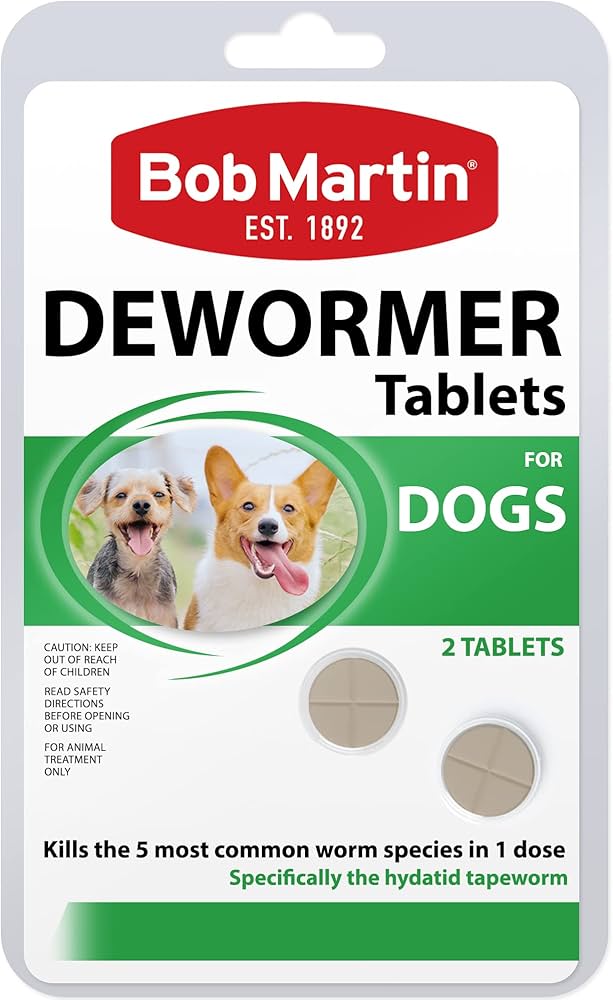
Intestinal parasites, including roundworms, whipworms, hookworms, and tapeworms, are common afflictions for dogs. Effectively managing these internal invaders is crucial for your canine companion’s health and well-being. While several deworming medications are available in the United States, choosing the right one involves considering your dog’s individual risk factors, lifestyle, and breed-specific predispositions. This guide explores the available dewormers, their efficacy, administration, and important considerations for keeping your dog parasite-free.
Understanding Deworming Medications
There are six primary drugs approved for use in deworming dogs in the U.S., each with varying effectiveness against different types of intestinal parasites. It’s important to note that dewormers containing piperazine are generally not recommended due to their limited effectiveness against roundworms and lack of action against other parasites. Consulting your veterinarian is the best way to determine the most suitable dewormer for your dog.
Key Deworming Drugs and Their Properties:
| Drug | Available Forms | Effective Against | Not Effective Against | Administration Frequency | Safe For | Do Not Give To |
|---|---|---|---|---|---|---|
| Milbemycin | Oral tablet or chewable | Hookworm, roundworm, whipworm (also heartworm) | Tapeworm | Once a month | Adult dogs, puppies as young as 4 weeks old and at least 2 lbs | Pregnant or nursing dogs |
| Fenbendazole | Oral medication (granules or liquid) | Hookworm, roundworm, whipworm, and some forms of tapeworm | Dipylidium caninum (flea-transmitted tapeworm) | Once a day for three to five consecutive days | Adult dogs, puppies as young as 6 weeks old, pregnant dogs | |
| Praziquantel | Oral medication (alone or in combination) | Several species of tapeworm, including flea-transmitted tapeworm | Usually one dose; a second may be needed if at risk of reinfection. | Adult dogs, puppies as young as 4 weeks old, pregnant and nursing dogs | ||
| Pyrantel | Oral tablet or liquid | Adult hookworms and adult roundworms | Tapeworm, whipworm, larval stages of hookworm or roundworm | Three doses, two weeks apart | Adult dogs, puppies as young as 2 weeks old, pregnant and nursing dogs | |
| Moxidectin | Topical, Oral tablet, Injectable | Hookworm, roundworm, whipworm (also heartworm) | Once a month (topical/oral); Every six or 12 months (injectable) | Adult dogs, puppies (age/weight restrictions apply) | Pregnant or nursing dogs, heartworm-positive dogs | |
| Piperazine | Oral tablet, liquid, paste, and gel | Limited efficacy against adult roundworms | Larval roundworm, hookworm, tapeworm, whipworm | Given in three doses, two weeks apart | Follow label directions; safe for pregnant/nursing dogs with specific formulations. | Dogs with chronic liver or kidney disease |
Strategies for Deworming Your Dog
The most convenient method for deworming your dog is by using a year-round effective heartworm preventative. These medications not only prevent heartworm disease but also treat common intestinal parasites. Some formulations also include flea prevention and tick-killing agents. The specific spectrum of activity against intestinal parasites varies among heartworm preventatives, so it’s essential to understand what each product targets.
The Companion Animal Parasite Council (CAPC) offers specific deworming schedules:
- Puppies: Should receive a dewormer effective against roundworm and hookworm at 2, 4, 6, and 8 weeks of age. They should also start a monthly heartworm preventative as soon as they meet the age and weight requirements.
- Alternative Schedule (if not using heartworm preventative): Puppies younger than 2 months should be dewormed every two weeks starting at 2 weeks of age. Puppies between 2 and 6 months should be dewormed monthly. Adult dogs and puppies over 6 months should be dewormed every three months using a broad-spectrum dewormer. If fleas are a concern, choose a dewormer that also targets Dipylidium caninum.
The MDR1 Mutation and Dewormer Sensitivity
Some dog breeds are genetically predisposed to a mutation in the MDR1 (MultiDrug Resistance 1) gene, which makes them more sensitive to certain medications, including milbemycin and moxidectin. This mutation can lead to higher drug concentrations in the brain. Breeds commonly affected include Collies, Shetland Sheepdogs, Australian Shepherds, and German Shepherds, among others.
While milbemycin and moxidectin are generally safe when used at the dosages found in heartworm preventatives, caution is advised if dogs with the MDR1 mutation are also taking specific cardiac medications, antibiotics, antifungals, or cyclosporine. Genetic testing for the MDR1 mutation is available through Washington State University’s College of Veterinary Medicine or your veterinarian.
Addressing Drug-Resistant Hookworms
A growing concern is the development of resistance in the hookworm Ancylostoma caninum to commonly used dewormers like pyrantel, fenbendazole, and moxidectin. This resistance was initially observed in racing Greyhounds and is now seen in various dog breeds. Factors contributing to this resistance include inappropriate use of dewormers, potentially underdosing, and environmental conditions favorable to larval survival.
If drug-resistant hookworms are suspected, a combination of fenbendazole, pyrantel, and moxidectin may be used under veterinary guidance. Fecal egg count reduction tests are recommended to assess treatment effectiveness. While a medication called emodepside shows promise, it is currently only licensed for use in cats in the U.S.
For comprehensive dog health and genetic testing, consult with your veterinarian. Understanding hereditary diseases in dogs and conditions like hip dysplasia in hereditary dogs is also vital for proactive care. If you notice your dog having stomach problems, it’s always best to seek professional veterinary advice.