
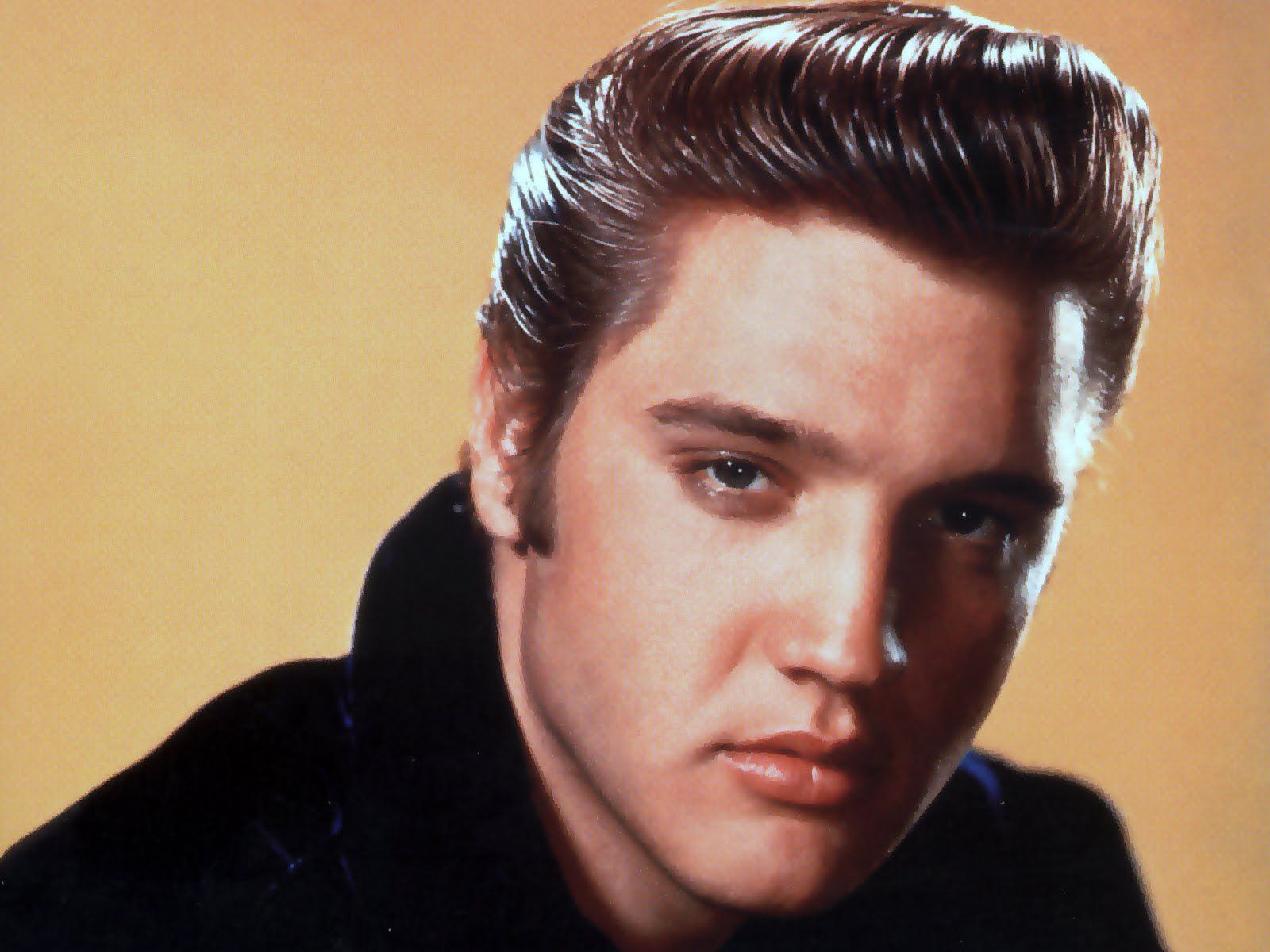
On what would have been his 90th birthday, January 8th, we delve into the life of Elvis Presley, the undisputed King of Rock and Roll. His music, charisma, and rebellious attitude sparked a cultural revolution, transforming the world from black and white to technicolor, as guitarist Keith Richards once described it. Despite recent discussions about his musical merits, cultural appropriation, and stance on the socio-political tensions of his time, Elvis’s legend remains as potent as ever. He is an indispensable figure in the history of rock and roll, a catalyst for youth expression, and a symbol of enduring stardom. Here are 10 facts that shaped the life and myth of Elvis Presley.
1. Humble Beginnings and a Shy Child
Elvis Aaron Presley was born on January 8, 1935, in a small, two-room cabin in Tupelo, Mississippi. He was a twin, but his identical twin brother, Jesse Garon, was stillborn. His upbringing was marked by poverty; his father, Vernon, struggled with intermittent work as a carpenter and painter, while his mother, Gladys, worked in a garment factory and suffered from poor health. Gladys was fiercely protective of Elvis, her only child, and he shared an exceptionally close bond with her. Ironically for a global superstar, Elvis was an intensely shy child, often needing to be pushed onto the stage to sing during school performances. A childhood friend, Guy Harris, noted in 2016, “Nothing stood out about Elvis. No one was more surprised than I was when he did what he did.”
2. A White Man with a Black Sound
Elvis grew up immersed in the Black community, absorbing much of its culture and expressive musical styles. As a poor white Southerner, he was also influenced by country music and the gospel hymns of the fundamentalist religious environment of his family. He masterfully blended these diverse influences into a unique singing style. After his family moved to Memphis, Tennessee, a teenage Elvis famously walked into a recording studio to cut a track for his mother. Sam Phillips, the studio’s producer, was actively seeking a white artist who could authentically perform the Black music his label promoted. After several unsuccessful attempts, Elvis launched into “That’s Alright” with a raw, uninhibited energy that stunned Phillips. He had found the sound and the performer he was looking for, and a star was born.
3. The Infamous “Censored” Waist-Up Performance
Elvis’s rise was meteoric. Following the success of “That’s Alright,” he released more hit records and signed with RCA Victor. His performances, characterized by instinctive hip-swiveling and leg-shaking, captivated young female fans, earning him the moniker “Elvis the Pelvis.” His manager, Colonel Tom Parker, arranged television appearances, including a highly anticipated spot on the prestigious “Ed Sullivan Show” on January 6, 1957. However, producers, fearing scandal from his overtly sensual movements, infamously instructed the cameras to film him only from the waist up.
4. Naturally Blonde, He Dyed His Hair Black
A key element of Elvis’s iconic image was his jet-black hair, styled into a prominent pompadour, often complemented by thick sideburns. However, Elvis was naturally blonde. As his hair darkened in adolescence, he decided the black hue would better accentuate his blue eyes. Early in his career, due to financial constraints, he resorted to using shoe polish for dyeing. Later, inspired by actors like Marlon Brando and Tony Curtis, he also adopted stage makeup, including black eyeliner to further enhance his eyes, a trick he incorporated into his performances.
5. Military Service at the Peak of His Career
By 1958, Elvis Presley was an international superstar with multiple chart-topping records, several films under his belt, and his own mansion, Graceland. However, he was drafted into the U.S. Army. The press closely followed his enlistment. He completed basic training in Texas, receiving special permission to record music and, more tragically, to attend his mother’s funeral. She died of hepatitis, a loss from which Elvis never fully recovered. He was then stationed in Germany, where he insisted on being treated as an ordinary soldier. While officially forbidden from entertaining troops, he did play piano and sing for his fellow soldiers, the only time he performed outside the U.S.
6. The Controversial Relationship with Priscilla
While stationed in Germany, Elvis met Priscilla Beaulieu at a party. She was the 14-year-old stepdaughter of a U.S. Air Force officer. Despite her parents’ initial objections, Priscilla visited Elvis multiple times. Upon his return to the U.S., he persuaded her parents to let her live with him at Graceland, with the promise that she would finish her schooling and marry him only when she turned 18. In today’s context, such a relationship would be viewed as predatory. However, in her biography and subsequent film, Priscilla suggested they did not consummate their relationship until after she turned 18. They married a few years later, but Elvis’s infidelity led to their divorce six years later. They had one daughter, Lisa Marie, who passed away in 2023.
7. The Secret Meeting with The Beatles
In 1965, another musical phenomenon, The Beatles, had conquered the world. Ironically, the “British Invasion” groups were inspired by Elvis. For John, Paul, George, and Ringo, Elvis was their idol and primary influence. During a tour, their respective management arranged a private, unpublicized meeting at a Beverly Hills mansion. Initially, both parties seemed intimidated, leading to somewhat superficial conversation. However, the ice broke when instruments were brought out, and they began jamming together. Tony Barrow, the Beatles’ press agent and one of the attendees, noted, “The chaps found they could communicate better with their guitars. Music was their natural meeting point, their most intelligent means of communication.” Sadly, no photos or recordings exist of this historic encounter.
8. Triumphant Return with the 1968 TV Special
Despite being somewhat overshadowed by newer rock artists resonating more with the youth, Elvis had one more ace up his sleeve. In early 1968, he decided to record a major television special, consolidating his diverse musical repertoire. Titled simply “Elvis,” and later known as the “Comeback Special,” the one-hour program aired in December 1968, showcasing his romantic ballads, gospel tunes, and rock and roll roots. The most impactful segment featured Elvis in a black leather suit, energetically performing his rock hits with a guitar. This performance is widely considered his defining moment, a triumphant return to his idol status and a re-claiming of his crown as the King of Rock and Roll, albeit briefly.
9. The Surreal Visit to President Nixon
One of the most surreal moments in Elvis’s life occurred in 1970 when he sought a meeting with President Richard Nixon at the White House, reportedly to gift him a .45 Colt pistol. Despite Nixon’s conservative leanings and limited interest in Presley, the meeting was arranged. Both men were navigating challenging periods: Nixon with the Vietnam War and Elvis with his declining cultural relevance. They found common ground discussing the loneliness of power, suspicions of communism, and the war on drugs. Although Elvis couldn’t present the pistol inside the White House, he requested and received a federal narcotics agent badge from Nixon. This was particularly notable given Elvis’s own addiction to prescription drugs, despite abstaining from alcohol and hallucinogens.
10. Death in the Bathroom
Elvis’s final years were marked by a tragic decline. Despite a lucrative Las Vegas residency in the early 1970s, he was a shadow of his former self. By 1977, he was a caricature, plagued by profound loneliness, drug addiction, obesity, insomnia, and severe constipation. Managed by Colonel Parker, who seemed more exploiter than associate, Elvis struggled to fulfill his commitments, often appearing disoriented. On the afternoon of August 16, 1977, his girlfriend Ginger Alden discovered him dead on the bathroom floor of Graceland, the victim of cardiac arrhythmia. His tomb at Graceland remains a pilgrimage site for thousands of fans, both old and new.
Explore more stories from BBC News Mundo. Subscribe to our newsletter for a weekly selection of our best content. You can also follow us on YouTube, Instagram, TikTok, X, Facebook, and our WhatsApp channel. Remember to download our app and enable notifications for the latest updates.