
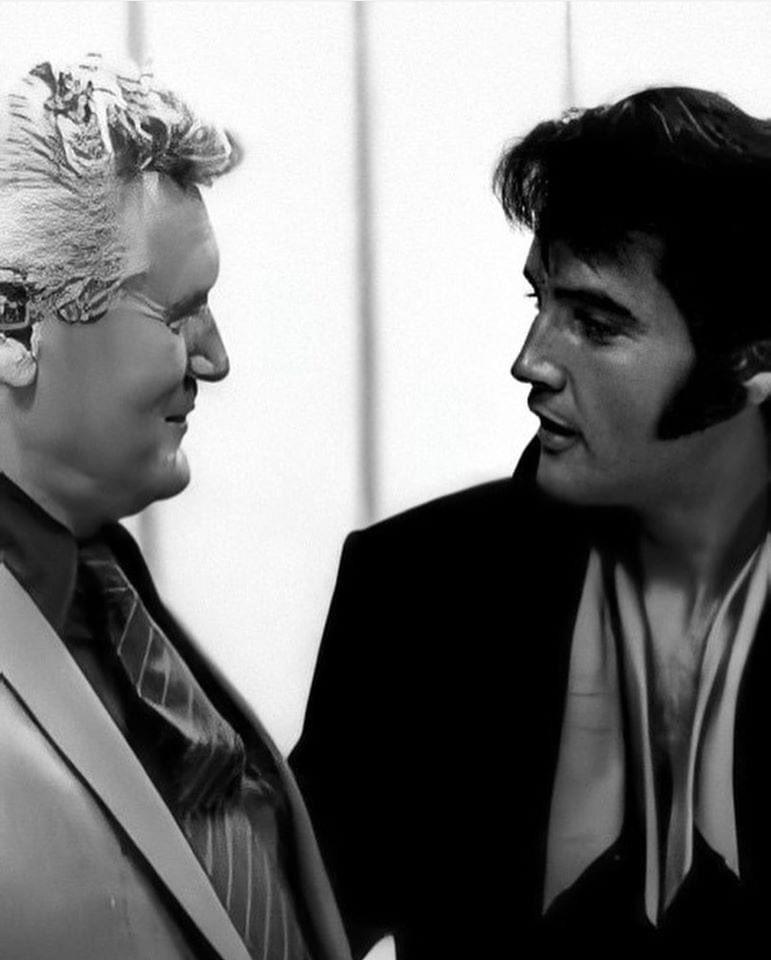
Vernon Presley’s interview, originally published in Good Housekeeping in January 1978, offers a poignant and intimate look into the life of Elvis Presley through the eyes of his devoted father. This narrative transcends a simple biography, delving into the deep paternal love, the spiritual underpinnings of their family, and the profound impact of Elvis’s meteoric rise and tragic end. For an international audience interested in the cultural phenomenon of Elvis Presley and the broader landscape of American music history, this interview provides invaluable context and a deeply human perspective.
The Genesis of a Legend
Vernon Presley’s story begins with a profound sense of love and the struggles of poverty. He recounts the birth of his twin sons, Jesse and Elvis, a physically demanding event for his wife, Gladys. The initial sorrow of losing Jesse was compounded by the medical limitations of the era, which failed to detect the presence of a second twin. Vernon felt a divine calling early on, believing Elvis was destined for a special purpose, a conviction that shaped his parenting. He fostered an environment where Elvis’s happiness and personal inclinations were prioritized over predetermined paths, a testament to his supportive and unconventional approach to fatherhood.
Faith and Family
The Presley household was deeply spiritual, with Vernon serving as a deacon. He consistently took young Elvis to church, instilling values that, while not confining him to a single denomination, formed a moral compass throughout his life. The close-knit bond between Elvis, Vernon, and Gladys created a unique familial unit, a “private world” where love and mutual respect flourished. Vernon’s parenting philosophy was characterized by allowing Elvis freedom to explore his interests, as demonstrated when Elvis declined hunting trips due to his gentle nature. This nurturing environment was crucial during a terrifying childhood illness, where a fever threatened Elvis’s life, and Vernon’s fervent prayer played a significant role in his recovery, further solidifying his belief in his son’s extraordinary destiny.
Navigating Stardom and Scrutiny
As Elvis’s career took flight, Vernon and Gladys remained his steadfast anchors. They navigated the complexities of his burgeoning fame, including the pivotal decision to switch managers from Bob Neal to Colonel Tom Parker, a move they undertook with caution and eventual trust. Despite the whirlwind of Hollywood and the pressures of superstardom, Vernon and Gladys maintained a grounded perspective, welcoming figures like Natalie Wood with unaffected warmth.
Elvis’s professional journey saw him evolve from local hits to national and international acclaim, marked by significant television appearances and film roles. Vernon acknowledges the public scrutiny and criticism Elvis faced, citing a specific instance of a derogatory book. He powerfully refutes such negativity, emphasizing the Presleys’ inherent dignity and compassion despite their poverty. He also addresses misconceptions about Elvis’s personal habits, clarifying that while Elvis took prescribed medication, he was not a heavy drinker or drug user, and notably abstained from hard drugs due to his understanding of their devastating effects and his love for his daughter, Lisa.
Personal Relationships and Legacies
Vernon reflects on Elvis’s romantic life with a mix of understanding and distance, acknowledging Elvis’s need for companionship and love. He discusses relationships with figures like Anita Wood and Barbara Hearn, and later, Priscilla Beaulieu. While he and Gladys did not dictate Elvis’s marital choices, they hoped for his happiness. The marriage to Priscilla, though producing a cherished daughter, Lisa Marie, ultimately faced challenges due to the demands of Elvis’s career and their separations. Vernon highlights the profound love between Elvis and Lisa, a bond that brought him immense joy. He also speaks of Linda Thompson and Sheila Ryan as important women in Elvis’s later life, and expresses his belief that Ginger Alden was the woman Elvis intended to marry, recalling his desire for more children with her.
Vernon Presley’s narrative extends beyond his son’s life to his own dedication in managing Elvis’s affairs after his untimely death. He speaks of the unanswered questions surrounding the final moments of Elvis’s life with a father’s anguish and a desire for closure. His commitment to honoring Elvis’s legacy is evident in his plans to manage his estate and potentially reunite the Presley family in their final resting place at Graceland. Vernon’s interview concludes with a profound acceptance of fate and a deep gratitude for the gift of his son, underscoring that Elvis’s life, both its triumphs and its tragic end, was ultimately guided by a divine plan.