
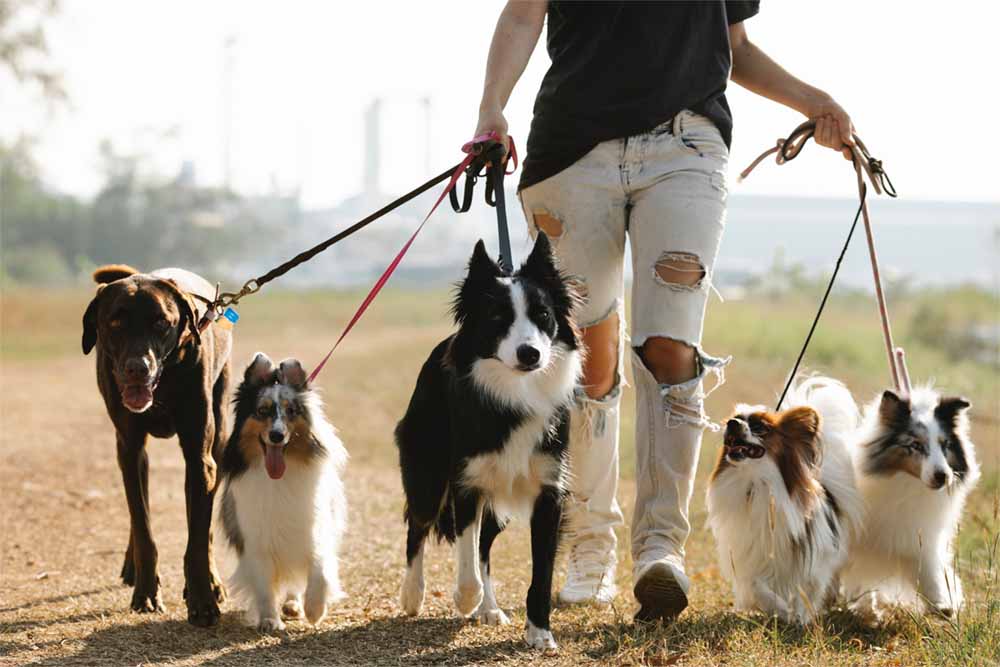
In both bustling metropolitan hubs and quiet rural landscapes across the UK, the demand for professional dog walking services has seen a significant surge. As modern lifestyles become increasingly hectic, pet owners are frequently seeking reliable professionals to ensure their canine companions receive the necessary physical activity and mental stimulation throughout the day. However, for both the pet owner and the aspiring professional, the most pressing question remains: how much do dog walkers charge per hour?
Understanding the market rate is essential whether you are budgeting for your pet’s care or looking to launch a sustainable business. Pricing in the pet care industry is rarely one-size-fits-all, as it is influenced by regional economics, the specific needs of the dog, and the professional credentials of the walker.
How Much Do Dog Walkers Charge in the UK?
On average, the standard dog walking cost per hour in the UK typically falls between £10 and £15. While this serves as a general benchmark, prices are subject to significant fluctuation based on geography. In high-demand urban centers like London, rates can easily climb to £20 per hour, whereas rural areas might see rates slightly lower than the national average.
Below is a detailed breakdown of average hourly costs based on UK regions:
| Region | Average Hourly Cost |
|---|---|
| London | £15 – £20 |
| South East | £12 – £18 |
| South West | £10 – £15 |
| Midlands | £9 – £14 |
| North West / Yorkshire | £8 – £13 |
| Scotland / Wales / N. Ireland | £8 – £13 |
It is important to note that these rates often differentiate between group walks (where one walker takes multiple dogs from different households) and individual walks (one-on-one attention). Individual walks usually command a higher premium due to the dedicated focus on a single pet.
Main Factors That Affect Dog Walking Prices
Determining the right price point involves more than just looking at a map. Several key variables influence how much a professional will charge for their time and expertise:
- Location: Urban areas with higher costs of living and greater demand for services naturally see higher hourly rates.
- Duration of the Walk: While a standard walk is 60 minutes, many walkers offer 30-minute “express” visits. While shorter, these often cost more than half the hourly rate to cover travel time.
- Number of Dogs: If you have multiple dogs in the same household, most walkers offer a discount for the second or third pet, typically adding only £2–£5 extra per additional dog.
- Experience & Qualifications: A walker with certifications in canine first aid, animal behavior, or years of specialized experience can justify higher rates than a hobbyist.
- Specialized Services: Tasks such as administering medication, feeding, or managing high-energy puppies require extra time and skill, which is reflected in the final price.
- Insurance and Overheads: Professional walkers carry public liability insurance to protect both the pet and the public. These business costs, along with fuel, marketing, and equipment (leads, treats, waste bags), are factored into the hourly rate.
- Peak Timing: Demand often spikes during bank holidays, weekends, or school vacation periods, leading some professionals to apply a “peak rate” or holiday surcharge.
Choosing a Dog Walker – What to Look For
Selecting the right person to care for your pet is a significant decision. Beyond the hourly rate, UK pet owners should prioritize several quality indicators to ensure their dog’s safety and happiness:
- Experience and Handling Skills: Does the walker understand different breeds and temperament types? This is crucial for safety during group interactions.
- Insurance and Legal Contracts: A professional should always have valid pet sitting insurance and a clear service agreement that outlines liabilities and expectations.
- Reputation: Look for verified reviews and testimonials from other local pet owners. Reliable communication and consistency are the hallmarks of a great professional.
- The “Meet-and-Greet”: Most reputable walkers insist on an initial meeting to ensure the dog is comfortable with them before the first official walk.
- Compatibility: Ensure your dog’s energy level and social needs align with the walker’s style, whether they prefer quiet solo strolls or energetic group play.
Want to Become a Dog Walker Yourself?
If you are a dog lover looking at these average rates and considering a career change, the pet care industry offers a rewarding path with the potential for a stable income. However, starting a successful business requires more than just a love for animals; it requires professional tools and a solid foundation.
Aspiring walkers should focus on building expertise and authority (E-E-A-T) by obtaining proper training and using professional management systems. Utilizing specialized platforms can help you manage the “business side” of things—such as invoicing, scheduling, and contracts—allowing you to focus on the dogs.
Conclusion
Whether you are a pet owner searching for a local professional or an entrepreneur setting your own dog walking rates in the UK, understanding the market landscape is the first step. While the national average sits between £10 and £15 per hour, remember that you are paying for more than just a walk; you are investing in your dog’s health, safety, and socialization. By considering factors like location, insurance, and professional experience, pet owners can find the best care possible, and walkers can build a thriving, respected business.
FAQs
1. How much is a dog walker per hour in the UK?
The majority of UK dog walkers charge between £10 and £15 per hour. In London and the South East, this can rise to £20 depending on the specific service level.
2. Is dog walking a profitable business?
Yes, dog walking can be a very lucrative full-time career. With the right business tools, insurance, and a consistent client base, many professionals earn a comfortable living while enjoying the benefits of working outdoors with animals.
3. What do I need to start a dog walking business?
To start professionally, you should obtain public liability insurance, create clear service contracts, and set a competitive pricing structure based on your local area. Using specialized booking software can also help you stay organized and professional from day one.
References
- National Association of Pet Sitters & Dog Walkers (NarpsUK)
- UK Pet Food and Care Industry Statistics 2023-2024
- Regional Pet Service Economic Reports (UK)