
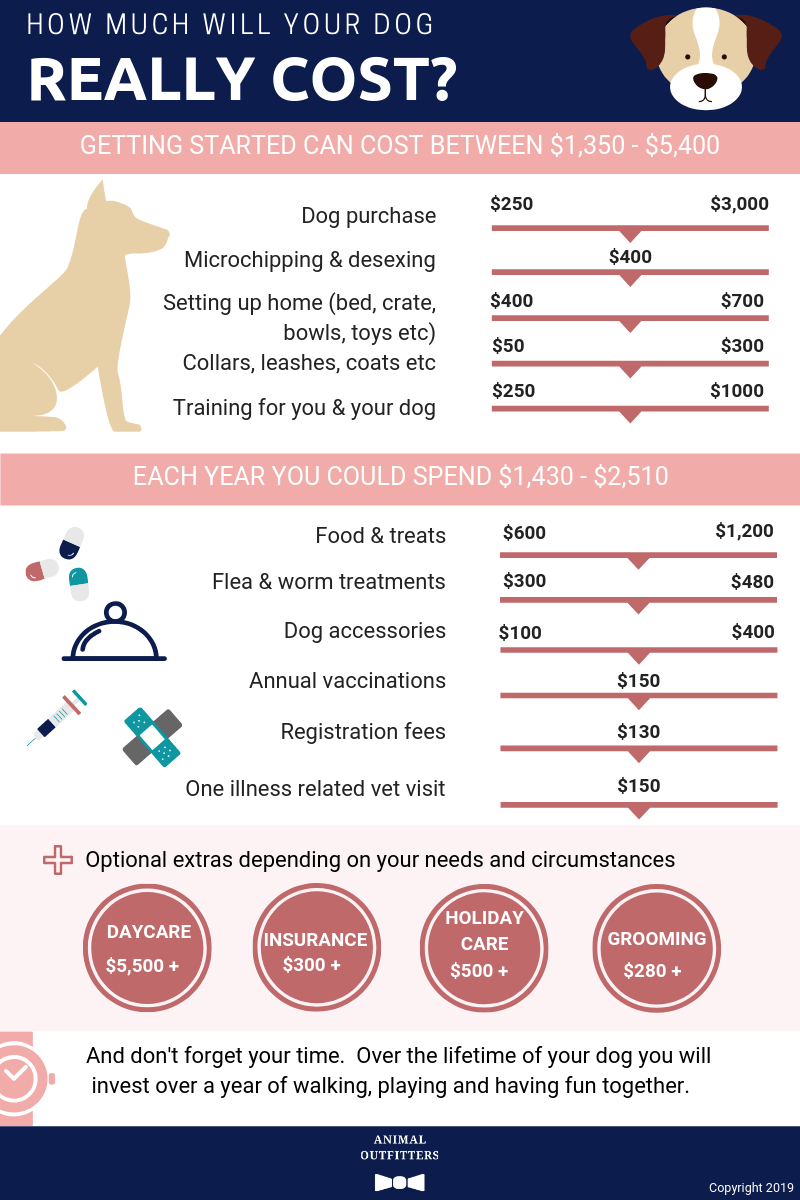
Bringing a dog into your life offers immeasurable joy, companionship, and even health benefits. However, it’s essential to be prepared for the financial commitment that comes with dog ownership. From initial setup costs to ongoing daily expenses and unexpected emergencies, understanding these costs will help you budget effectively and ensure your furry friend receives the best possible care.
Initial Expenses: Welcoming Your New Companion
The first step in preparing for a dog involves covering the initial costs, which can vary depending on whether you choose to adopt from a shelter or purchase from a breeder. Adoption fees are generally lower and often include essential services.
Adoption vs. Breeder Costs
Adopting a dog from a shelter is a rewarding experience that can significantly reduce upfront expenses. Shelter adoption fees, which can be substantially less than breeder prices, often encompass spaying or neutering, microchipping, and the initial round of vaccinations. The ASPCA suggests that one-time costs can range from approximately $470 for a small dog, $565 for a medium dog, to $560 for a large dog. Many shelters also provide resources to help new owners find their perfect match.
Essential Dog Supplies
Beyond the adoption fee, you’ll need to purchase several must-have items. These essentials ensure your dog’s safety, comfort, and basic training needs are met:
- Collar and ID Tag: A properly fitting collar with an ID tag containing your contact information is crucial for your dog’s safety. This typically costs around $25 to $35 for a collar and tag.
- Leash: A sturdy leash is necessary for walks and outings. Having multiple leashes can be convenient for different locations, such as by the door or in your car.
- Carrier: For small to medium-sized dogs, a carrier is essential for safe transportation to vet appointments and other outings. Expect to spend between $40 and $60 for a carrier.
- Crate: A crate provides a secure den-like space for your dog, promoting rest and preventing potential mischief when unsupervised. This taps into their ancestral wolf ancestors.
- Training Class: Basic obedience classes can cost around $110 and are invaluable for teaching essential commands and proper leash manners.
Optional but Beneficial Items
While not strictly necessary, several other items can enhance your dog’s comfort and your peace of mind. A comfortable pet bed offers a dedicated sleeping spot, and for dogs who spend time alone, pet tech gadgets like two-way video monitors can allow you to check in and even interact with them remotely.
Annual and Monthly Dog Care Costs
The ongoing expenses of dog ownership are influenced by your dog’s size, with larger breeds generally costing more. The ASPCA estimates annual costs as follows: small dogs around $512, medium dogs approximately $669, and large dogs about $1,040.31 per year. This breaks down to a monthly cost of roughly $42.66 for small dogs, $55.75 for medium dogs, and $86.69 for large dogs. These figures typically cover:
- Food: Selecting a high-quality, balanced dog food appropriate for your dog’s age, breed, and activity level is paramount. Your veterinarian can offer personalized recommendations.
- Veterinary Care: Regular check-ups, vaccinations, parasite prevention (heartworm, flea, and tick), and dental cleanings are vital for maintaining your dog’s health.
- Toys: Engaging toys are crucial for both physical and mental stimulation, helping to prevent boredom and destructive behaviors. Ensure toys are durable and safe for your dog.
- Treats: Moderation is key when using treats for training rewards or simply as a way to show affection.
- License: Many localities require an annual dog license, the cost of which varies by region.
- Miscellaneous: This category includes items like cleaning supplies for accidents and waste bags, with estimated annual costs of $35 for small dogs, $45 for medium dogs, and $65 for large dogs.
For dogs with long coats, professional grooming can add an additional annual expense, ranging from $264 for small dogs to $408 for large dogs.
Lifestyle and Lifestyle-Related Expenses
Your daily life and personal choices can significantly influence your dog’s expenses. If you work long hours, you might need to budget for a dog walker or doggie daycare. Vacations may require paying for a pet sitter or boarding facility. Additionally, renting or living in a homeowners’ association community often involves pet fees or deposits to cover potential damages. It’s wise to inquire about any pet-related expenses and rules with your landlord or HOA before bringing a dog home.
Preparing for Unexpected Costs
Despite diligent care, accidents and illnesses can happen, leading to unforeseen veterinary bills. These can range from treating minor injuries like a broken paw to managing chronic conditions or requiring surgery for ingesting foreign objects. The unpredictable nature of these events underscores the importance of having a financial safety net. Exploring pet insurance plans can be a proactive way to manage these potential costs. The expense of pet insurance varies based on coverage levels, location, and your dog’s breed and age.
Cost-Saving Strategies for Dog Owners
Managing the financial aspects of dog ownership doesn’t always mean sacrificing quality care. Several practical strategies can help reduce overall expenses:
- Price Comparison: Actively compare prices for food, treats, and supplies both online and in local stores to find the best deals.
- Bulk Purchasing: Buying essentials like food and cleaning supplies in larger quantities or during sales can lead to significant savings over time.
- DIY Toys and Treats: Creating homemade toys from household items or whipping up simple, healthy treats can be cost-effective alternatives to store-bought options. Incorporating safe fruits and vegetables into your dog’s diet also offers a nutritious and inexpensive snack.
- Pet Insurance: As mentioned, pet insurance can help mitigate the financial burden of unexpected veterinary expenses, covering a range of medical needs from accidents to illnesses.
By carefully planning and employing these cost-saving measures, you can ensure your dog enjoys a happy, healthy life without placing an undue financial strain on your household. Remember to consult with your veterinarian for personalized advice on nutrition, healthcare, and overall well-being.