
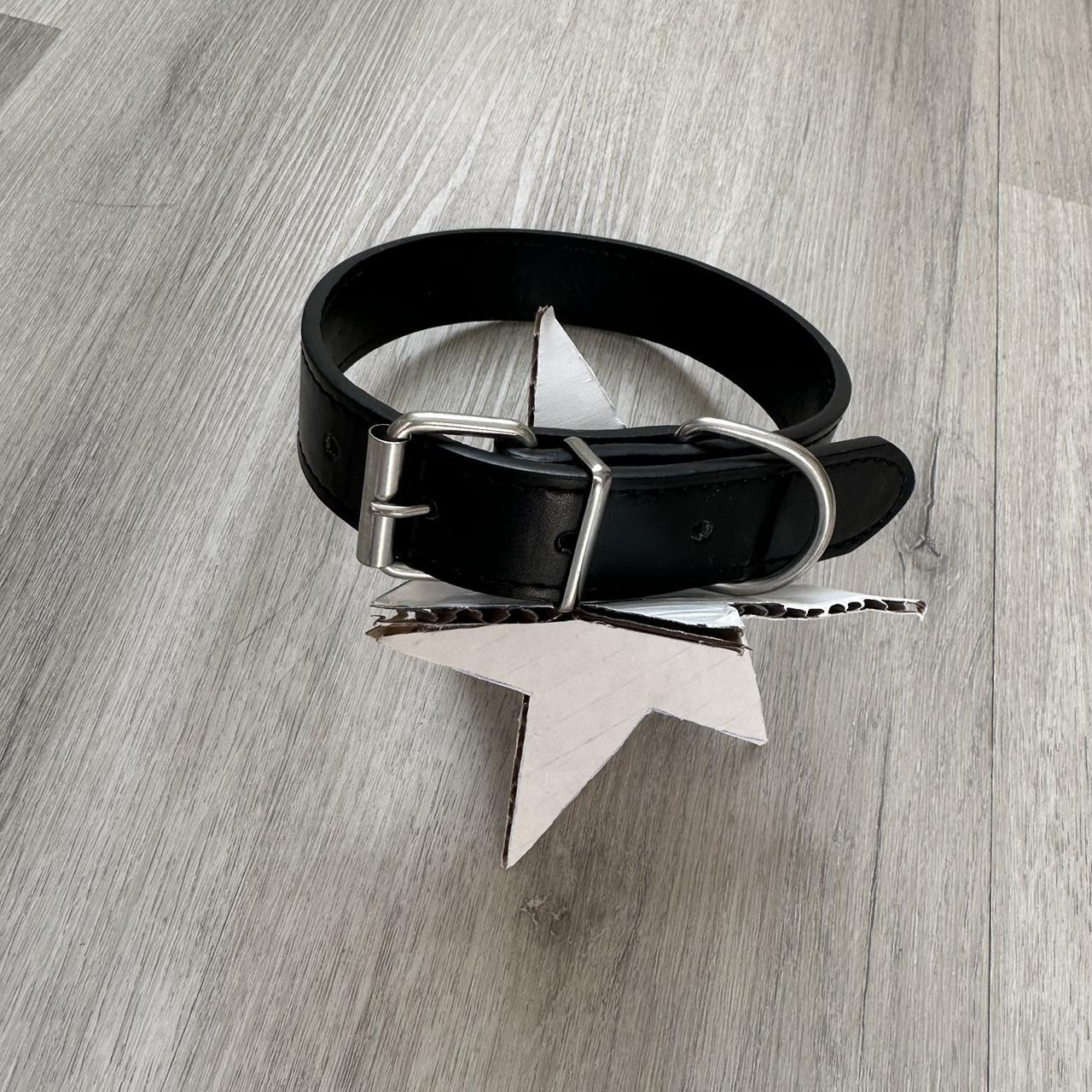
Choosing the right collar for your dog is one of the most important decisions you’ll make as a pet owner. It’s not just a fashion statement; it’s a vital piece of equipment that ensures your dog’s safety, comfort, and well-being. With countless options available, from basic nylon straps to luxurious designer pieces, the process can feel overwhelming. This comprehensive guide will walk you through everything you need to know to find the best dog collar that perfectly balances style, safety, and comfort for your unique companion.
Understanding Your Dog’s Needs: The First Step to the Best Dog Collar
Before you start browsing through colors and materials, take a moment to consider your dog’s specific needs. The ideal collar for a calm, senior Chihuahua will be vastly different from one suited for a energetic, growing Labrador puppy. Key factors to evaluate include:
- Breed and Size: A small breed like a Maltese requires a lightweight, delicate collar, while a large breed like a Mastiff needs a sturdy, wide collar for better control and support.
- Age: A growing puppy needs an adjustable collar that can be loosened as they grow. Senior dogs with conditions like arthritis may benefit from a lighter collar.
- Temperament and Behavior: Is your dog a calm walker or a dedicated puller? If your dog tends to pull excessively, a standard flat collar might not be the safest option, and you may want to consider a collar with pull-resistant features or a harness for training.
- Lifestyle: An indoor dog might only wear a collar for identification and short walks. An active, outdoor dog that loves to explore bushes and rough terrain will need a durable, washable collar that can withstand the elements.
Types of Dog Collars: Finding the Right Fit for Your Pup
Understanding the different types of collars available is crucial to making an informed decision. Here are some of the most common and effective styles:
Flat Buckle Collars
This is the standard, everyday collar for most dogs. They come in a wide variety of materials, including nylon, leather, and biothane. They are designed for dogs that don’t pull heavily on the leash and are ideal for holding ID tags.
Martingale Collars
Often called “limited-slip” collars, these are excellent for dogs with narrow heads, like Greyhounds or Whippets, who can easily slip out of a standard buckle collar. They tighten gently when a dog pulls, preventing escape without choking.
Chain Link Dog Collars
For a bold, classic look that is also incredibly durable, chain link dog collars are a fantastic choice. They are often preferred for larger, stronger breeds due to their strength and reliability. The metal links are also difficult for dogs to chew through, offering an extra layer of security for determined escape artists.
Designer and Luxury Collars
For the fashion-forward pup, luxury designer dog collars offer a way to express personality through high-quality materials and exquisite craftsmanship. These collars go beyond basic functionality to become a statement piece. They often feature premium leathers, vibrant colors, and unique details like studs or custom hardware. Whether you’re looking for a bold purple dog collar or a classic pink dog collar, there is a designer style to match every personality.
Material Matters: Balancing Style and Durability
The material of your dog’s collar impacts its comfort, longevity, and appearance.
- Nylon: Affordable, lightweight, and comes in a vast array of colors like blue dog collars and camouflage dog collars. It’s easy to clean, making it great for active dogs, but it can cause chafing if it gets wet and dirty.
- Leather: Classic, durable, and softens with age, molding to your dog’s neck for a custom fit. High-quality leather offers a timeless look and is extremely strong.
- Biothane: A newer material that combines the look of leather with the durability of nylon. It’s waterproof, odor-resistant, and incredibly easy to clean—perfect for dogs that love to swim or roll in the mud.
Ensuring a Perfect Fit: Safety and Comfort First
A collar that is too tight can cause discomfort and injury, while one that is too loose can easily slip off. To find the right fit:
- Measure your dog’s neck with a soft tape measure.
- Place two fingers between the collar and your dog’s neck. This is the ideal tightness—snug enough to stay on but loose enough to be comfortable.
- Regularly check the fit, especially for growing puppies or dogs that are gaining or losing weight.
The Perfect Pair: Collars and Leashes
A dog collar and leash work as a team. For consistency and style, consider pairing your dog’s new collar with a matching dog leash. A coordinated set not only looks fantastic but also ensures that the hardware and materials are compatible, providing a secure connection for your walks.
Why Handmade and Quality Craftsmanship Matters
Choosing a hand made dog collar from a dedicated artisan or small business often means you are getting a product with superior attention to detail. These collars are typically made with higher-quality materials and stronger stitching than mass-produced alternatives. This level of craftsmanship ensures that your collar is not only stylish but also durable and safe, providing reliable performance for years to come.
Conclusion: Making the Right Choice for Your Companion
Finding the best dog collar is a journey of understanding your dog’s unique needs and combining them with your own style preferences. Whether you opt for a durable studded dog collar, a classic staffy dog collar, or a vibrant designer piece, the right collar will enhance your dog’s safety, comfort, and confidence. It’s an investment in your shared life together, making every walk a more enjoyable and secure experience. By considering your dog’s size, temperament, and lifestyle, and by prioritizing a proper fit, you can choose an accessory that truly reflects their individuality while keeping them safe.
[internal_links] To learn more about proper dog training techniques and how the right gear can help, explore our other guides on positive reinforcement and leash manners.