
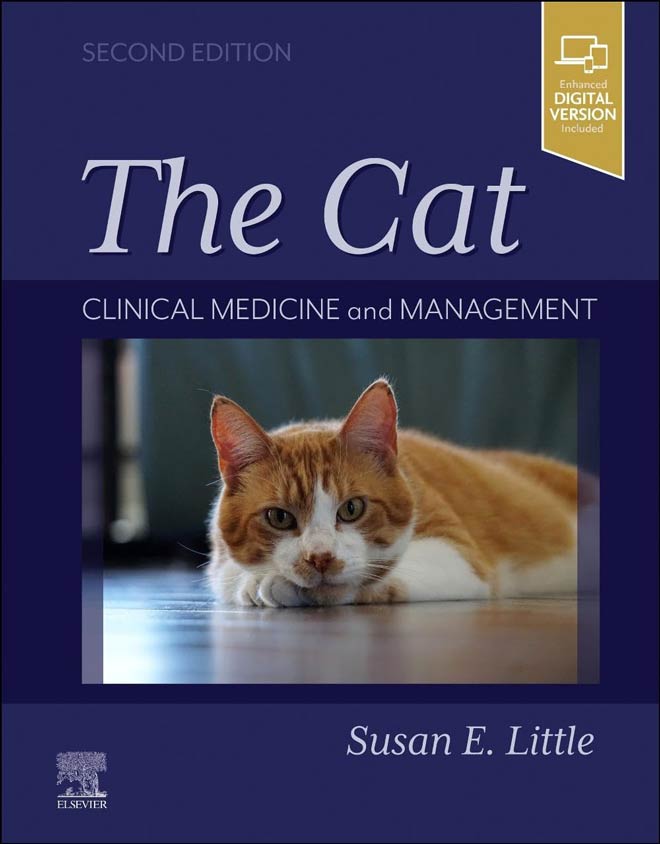
The field of veterinary medicine is constantly evolving, and staying abreast of the latest advancements in diagnosing and treating common health issues in dogs and cats is crucial for practitioners. Clinical Medicine of the Dog and Cat has long been recognized as a cornerstone resource, offering a comprehensive and user-friendly guide for veterinary professionals. Praised by leading experts and respected publications, this textbook is lauded for its logical approach, extensive visual aids, and practical application in daily practice.
Praise for Clinical Medicine of the Dog and Cat
Renowned professionals in veterinary medicine have consistently highlighted the exceptional value of Clinical Medicine of the Dog and Cat. Dr. Kenneth J. Drobatz, a Professor at the School of Veterinary Medicine, University of Pennsylvania, considers it “by far, the best clinical medicine book ever written,” emphasizing its importance in his personal library. This sentiment is echoed by Gerard McLauchlan of Veterinary Record, who suggests it’s “certainly worth considering” as a primary medicine textbook for any practice, noting its helpful tables, charts, and illustrative pictures.
The textbook’s user-friendly organization is a significant draw, as noted by Ryane E. Englar, DVM, DABVP, in JAVMA. Englar points out that the “nearly 2,000 photographs, diagrams, and tables are thoughtfully placed and carefully selected to complement the text,” revolutionizing how clinical medicine is presented. The authors’ concise approach focuses on information essential for guiding clinicians through diagnostic and treatment planning, making it an “exceptional stand-alone reference for veterinary students, interns, new graduates, and seasoned practitioners.” JAVMA has also referred to it as “an excellent addition to the reference library of any small animal veterinarian.”
Visuals and Content Quality
A key strength of Clinical Medicine of the Dog and Cat lies in its extensive collection of images. The Veterinary Record highlights that “If a picture is worth a thousand words, this beautifully illustrated text is longer than it appears!” These visuals range from photographs of clinical cases, radiographs, ultrasound, and cytology to ophthalmology and surgical images, along with detailed diagrams of surgical approaches and techniques. According to the Journal of Small Animal Practice, these images provide an “invaluable aid to students who might not otherwise be exposed to a clinical presentation.” The combination of high-quality imagery and clearly written text makes it a superior resource for those interested in small animal medicine.
Conclusion: A Must-Have Veterinary Resource
Clinical Medicine of the Dog and Cat stands out as an indispensable tool for veterinary professionals. Its logical structure, wealth of visual information, and focus on practical diagnostic and treatment strategies make it a highly effective reference. Whether you are a student, an intern, a recent graduate, or an experienced practitioner, this textbook offers the depth and clarity needed to enhance your clinical decision-making and patient care. Its consistent praise from authoritative sources underscores its position as a leading publication in small animal medicine.