
The Ford Mustang stands as a timeless emblem of American automotive excellence. Since its groundbreaking introduction in the 1960s, it has captivated car enthusiasts with its unmatched blend of performance, style, and accessibility. For collectors and muscle car aficionados alike, these legendary Mustang models are essential knowledge, each representing a unique chapter in the story of an automotive icon.
1964½ Ford Mustang: The Revolution Begins
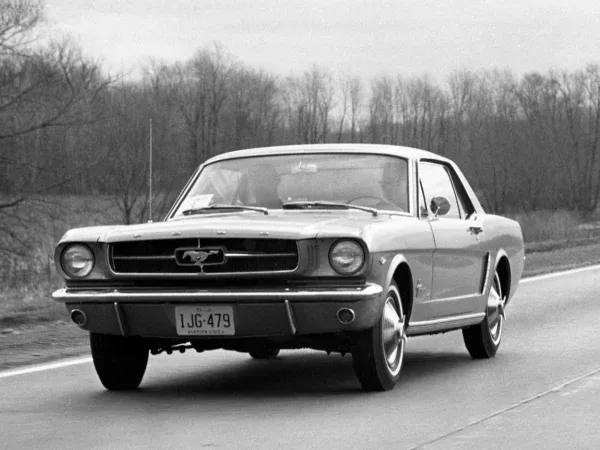
The Ford Mustang made its historic debut on April 17, 1964, at the New York World’s Fair, forever changing the automotive landscape. Initially, Ford projected sales of around 100,000 units in the first year, but the Mustang surpassed all expectations by selling over one million units within just 18 months. The “1964½” designation refers to the early production models released before the official 1965 model year.
Design and Customization
The 1964½ Mustang was offered as a hardtop coupe and convertible, providing versatility for buyers. Under the hood, it started with a 170 cubic-inch inline-six engine, with an optional 260 cubic-inch V8 for those seeking more power. Customization was a hallmark of the Mustang, with options like power steering, air conditioning, and a wide range of interior and exterior colors allowing buyers to personalize their vehicles.
Cultural Impact
The Mustang’s affordability and sporty appeal attracted a younger demographic, making it a symbol of freedom and adventure. Its presence in films and TV shows further cemented its status as an American cultural icon.
1965 Shelby GT350: The Birth of a Performance Legend

The collaboration between Ford and Carroll Shelby gave birth to the 1965 Shelby GT350, a high-performance Mustang designed to dominate the racetrack. This model was not just a car—it was a statement of raw power and engineering excellence.
Technical Highlights
- Engine: A modified 289 cubic-inch V8 engine delivering 306 horsepower.
- Transmission: Borg-Warner T-10 4-speed manual for precise control.
- Suspension: Upgraded with Koni shock absorbers, a larger front sway bar, and rear traction bars for superior handling.
- Brakes: High-performance front disc brakes ensured improved stopping power.
Distinctive Features
The GT350 featured a functional fiberglass hood scoop, side-exit exhausts, and a minimalist interior with racing seat belts and a special gauge pod. The absence of rear seats reduced weight, enhancing its racing pedigree. Its Wimbledon White paint with Guardsman Blue stripes became iconic, and it dominated SCCA racing events, solidifying Shelby’s reputation and the Mustang’s performance legacy.
1967 Mustang Fastback: A Bold Redesign
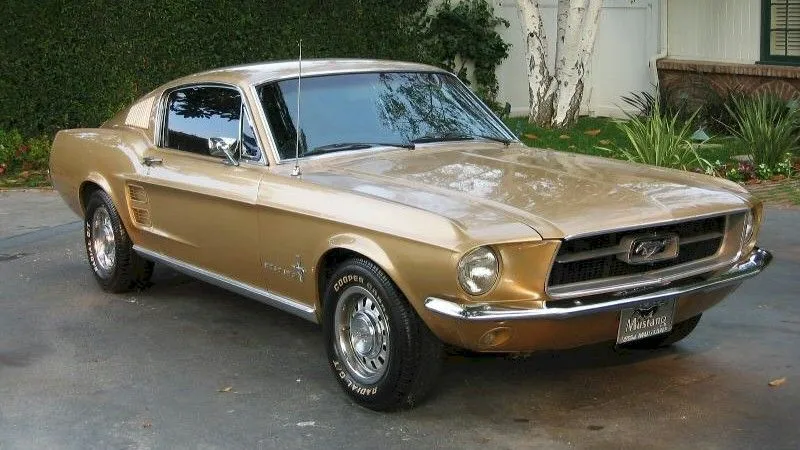
The 1967 Mustang Fastback marked the first significant redesign of the original Mustang, introducing a more aggressive aesthetic and larger engine options. This model was a game-changer, offering a bolder look and enhanced performance.
Design Enhancements
- Exterior: The extended nose, concave taillights, and pronounced fastback roofline gave it a distinctive profile.
- Engine Options: The introduction of the 390 cubic-inch V8, producing 320 horsepower, provided serious muscle.
- Interior: Upgraded materials, an optional overhead console, and folding rear seats added versatility.
Cultural Significance
The 1967 Fastback gained immortality through its appearance in the 1968 film Bullitt, where Steve McQueen’s character drove a modified 1968 Mustang Fastback in one of cinema’s most legendary car chases.
1969 Boss 302: Engineered for the Track
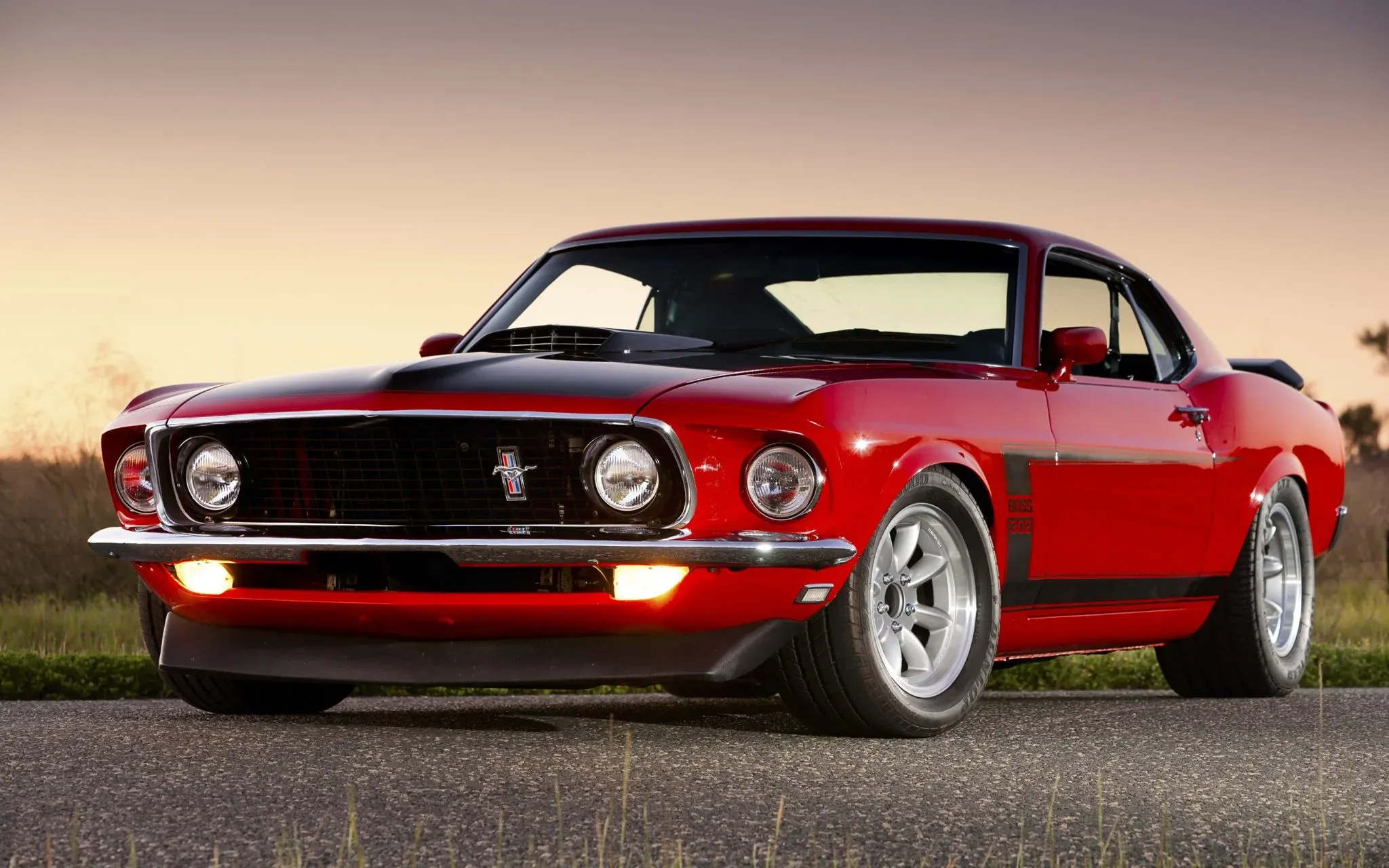 The 1969 Boss 302 with its bold side stripes and blackout hood
Developed to compete in the Trans-Am racing series, the 1969 Boss 302 was Ford’s answer to Chevrolet’s Camaro Z/28. This model was built for performance, with a focus on handling and speed.
Performance Features
- Engine: A high-revving 302 cubic-inch V8 with Cleveland-style cylinder heads, officially rated at 290 horsepower (though actual output was higher).
- Transmission: Close-ratio 4-speed manual for precise gear shifts.
- Suspension: Competition suspension with heavy-duty springs, shocks, and a thicker sway bar.
- Aerodynamics: Front and rear spoilers improved downforce, enhancing stability at high speeds.
Unique Styling
The Boss 302 featured bold “Boss 302” side stripes, a blackout hood, and optional rear window louvers. Its Magnum 500 wheels wrapped in wide Goodyear Polyglas tires completed the aggressive look.
Legacy
The Boss 302 not only excelled on the track but also became a collector’s favorite due to its limited production and racing heritage.
1970 Boss 429: A Homologation Special
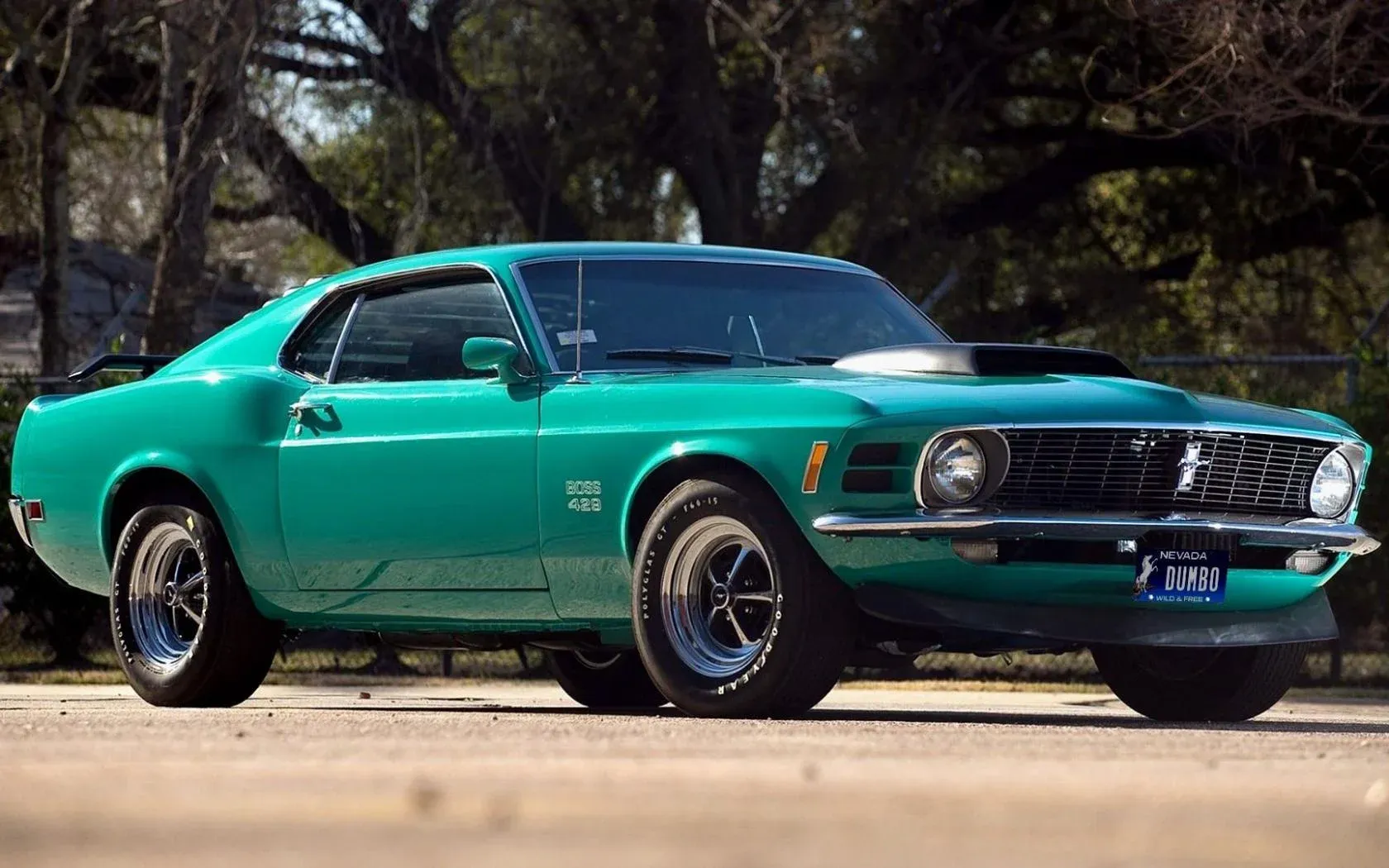
Created to homologate Ford’s new 429 cubic-inch V8 engine for NASCAR, the Boss 429 was a technological marvel. With its massive “Semi-Hemi” cylinder heads, it was officially rated at 375 horsepower but believed to produce over 500 horsepower.
Mechanical Mastery
- Engine Placement: The enormous engine required modifications to the front suspension and shock towers.
- Cooling System: A larger radiator and oil cooler were added to manage the increased heat.
Subtle Exterior and Collectibility
The Boss 429 featured minimal badging, a functional hood scoop, and Magnum 500 wheels. Available in exclusive colors like Grabber Blue and Calypso Coral, only 499 units were produced in 1970, making it one of the rarest and most sought-after Mustangs.
1984–1986 SVO Mustang: A Technological Leap
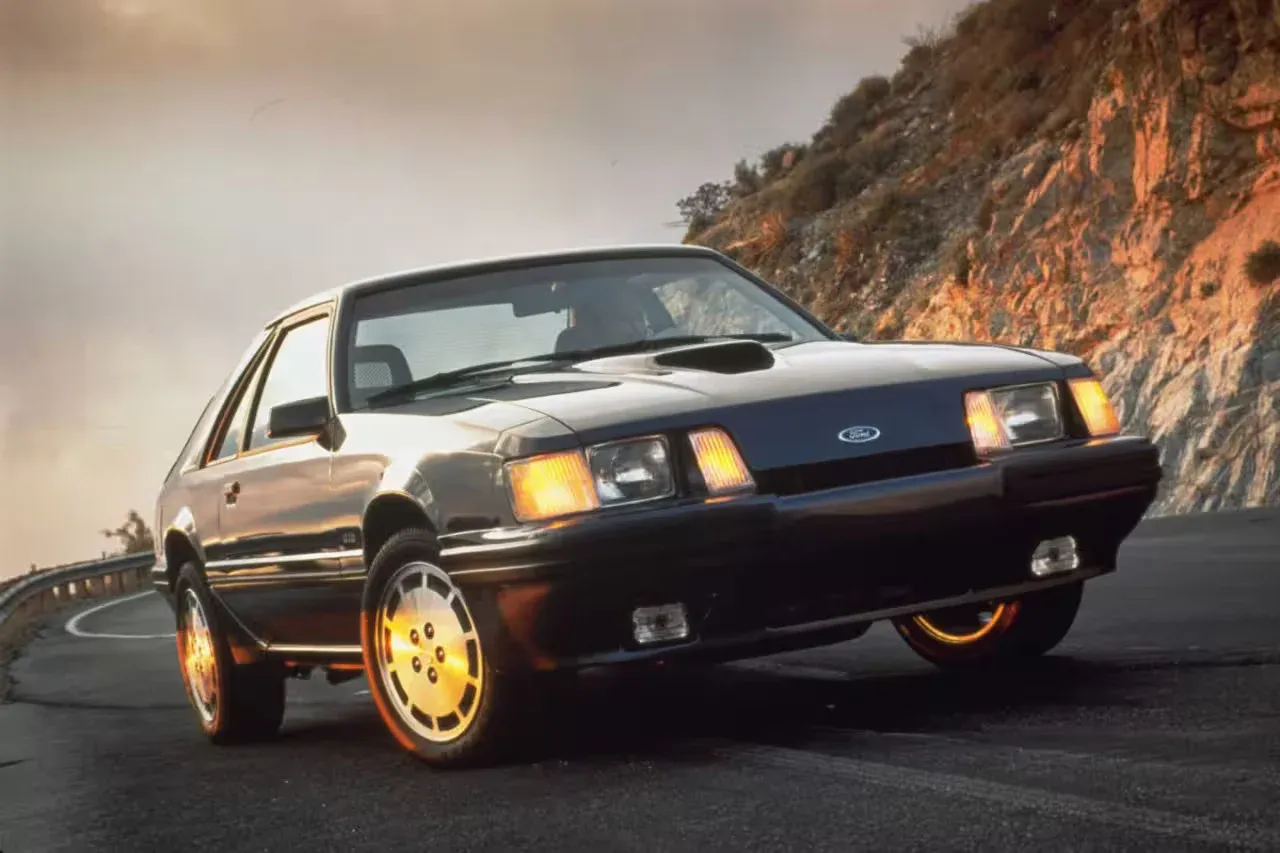 The 1984–1986 SVO Mustang with its unique front fascia and flush-mounted headlights
The SVO (Special Vehicle Operations) Mustang represented Ford’s ambition to create a sophisticated, European-style performance car. It emphasized handling and efficiency over raw power.
Innovative Features
- Engine: Turbocharged 2.3-liter inline-four producing up to 205 horsepower.
- Transmission: 5-speed manual with a Hurst shifter.
- Suspension: Four-wheel Koni adjustable shocks, quad-shock rear setup, and larger anti-roll bars.
- Brakes: Four-wheel disc brakes, a rarity for American cars at the time.
Distinct Appearance
The SVO Mustang featured a unique front fascia with flush-mounted headlights, an offset hood scoop, and dual rear spoilers. Its exclusive 16-inch alloy wheels set it apart from other Mustangs.
Impact
Though not a commercial success, the SVO Mustang influenced future performance models and showcased Ford’s engineering capabilities.
2001 Bullitt Mustang GT: An Homage to a Classic
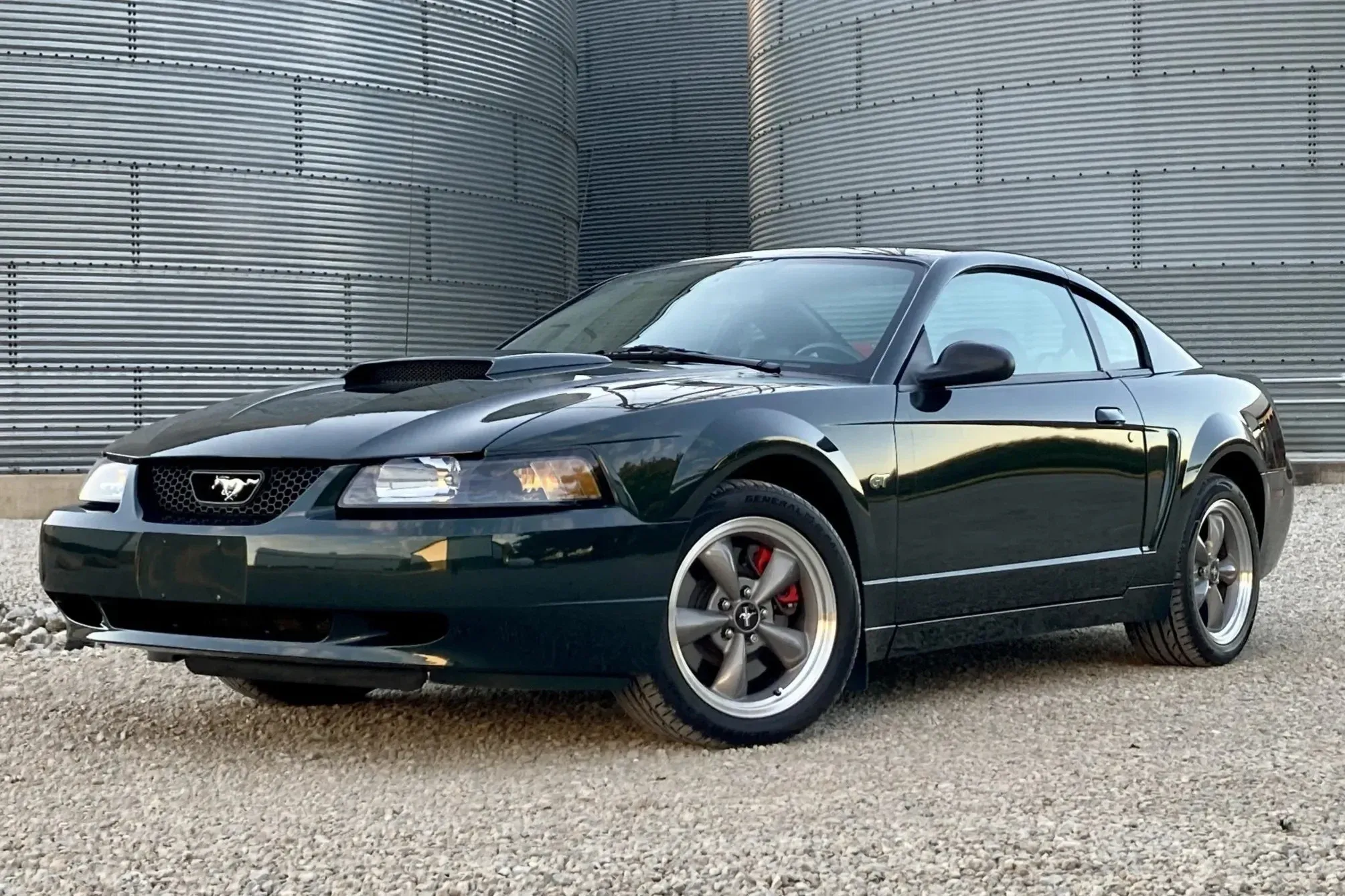
Ford paid tribute to the legendary 1968 Bullitt Mustang with this special edition, combining retro styling cues with modern performance enhancements.
Performance Upgrades
- Engine: Modified 4.6-liter SOHC V8 producing 265 horsepower.
- Exhaust: Tuned for a throatier sound reminiscent of the original.
- Suspension: Lowered ride height and stiffer springs for improved handling.
Styling Details
- Exterior: Debadged grille, unique side scoops, and 17-inch Torque Thrust-style wheels.
- Colors: Available in Dark Highland Green, True Blue, and Black.
- Interior: Brushed aluminum accents, retro-style gauges, and Bullitt-branded door sills.
Collectibility
Limited production numbers and its connection to the classic film make the 2001 Bullitt a favorite among enthusiasts.
2003–2004 Mustang Mach 1: Retro Revival
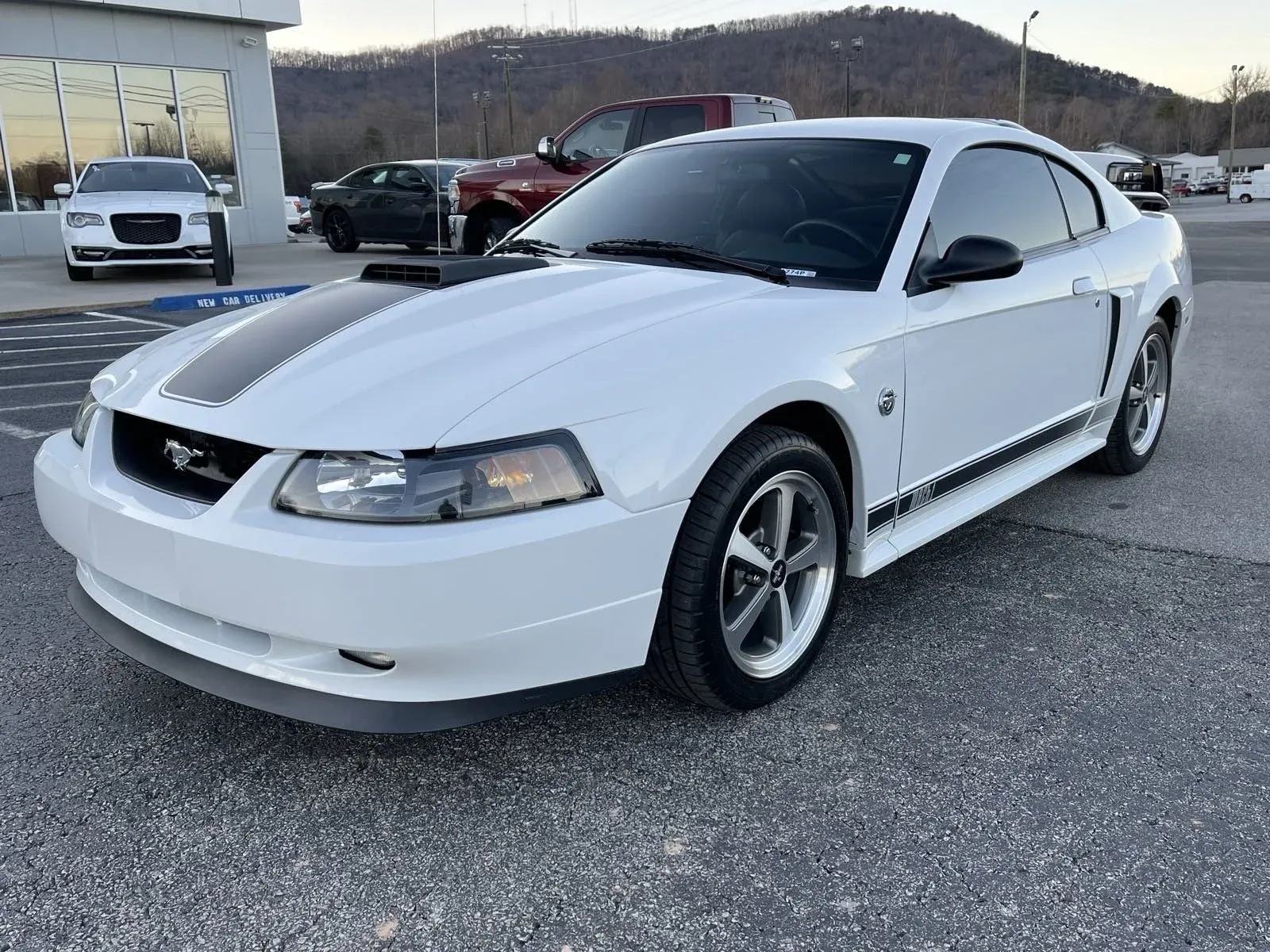 The 2004 Mustang Mach 1 with its matte black hood stripe and Mach 1 badging
The Mach 1 returned with a blend of nostalgic design and modern engineering, bridging the gap between the Mustang GT and the high-performance SVT Cobra.
Performance Specs
- Engine: 4.6-liter DOHC V8 with 305 horsepower and 320 lb-ft of torque.
- Transmission: Choice of a 5-speed manual or 4-speed automatic.
- Shaker Hood: Functional hood scoop directing air into the intake manifold.
Design Elements
- Exterior: Matte black hood stripe, front air dam, side stripes, and Mach 1 badging.
- Wheels: 17-inch Magnum 500-inspired wheels.
- Interior: Retro-themed with Comfortweave leather seats, aluminum accents, and a 1970s-style instrument cluster.
Reception
Praised for its balance of performance and style, the Mach 1 appealed to both new buyers and classic Mustang fans.
2007–2009 Shelby GT500: The Return of the Snake
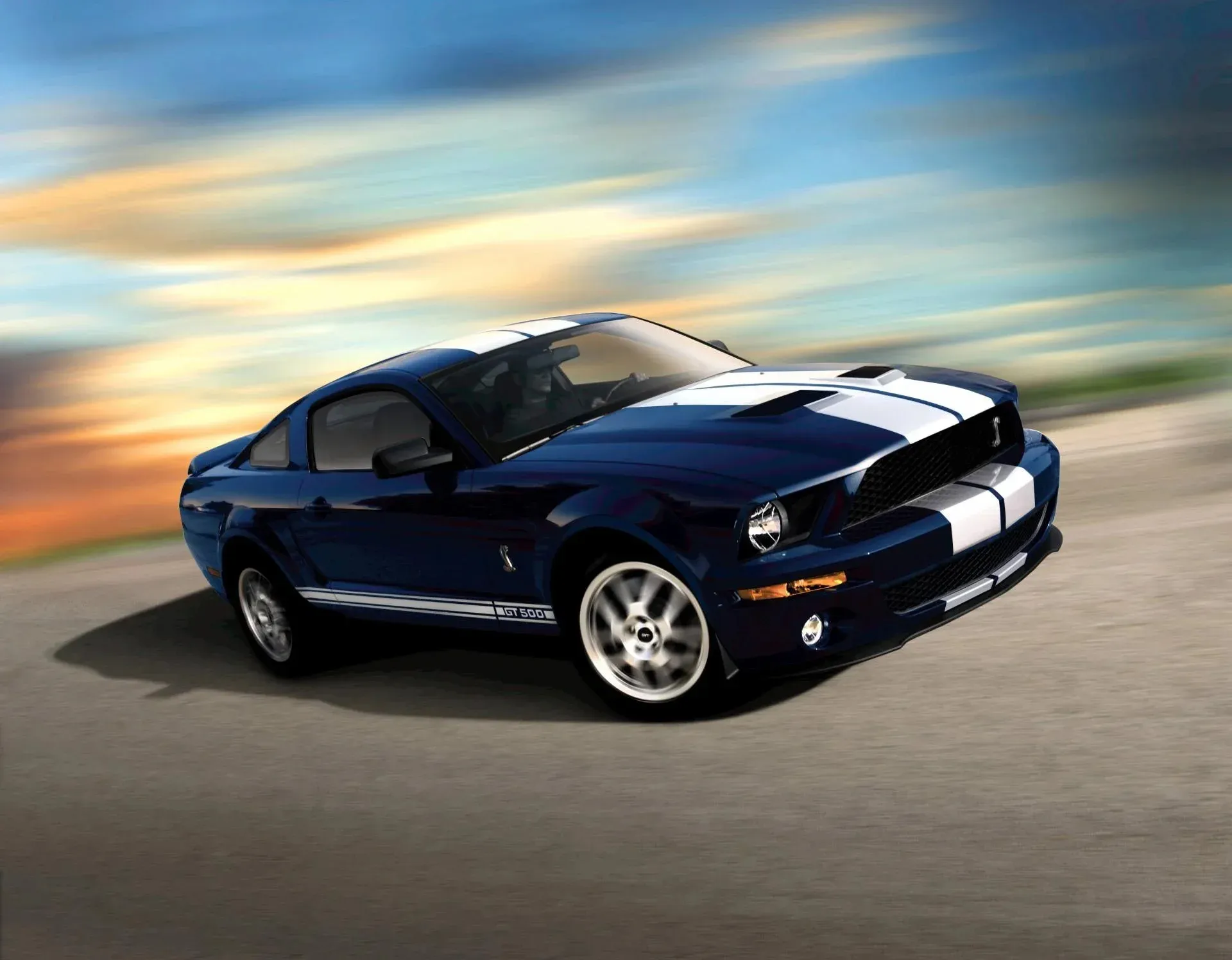
Reuniting with Carroll Shelby, Ford’s SVT team developed the GT500, reviving the legendary nameplate with modern muscle and performance.
Powerhouse Performance
- Engine: Supercharged 5.4-liter DOHC V8 delivering 500 horsepower and 480 lb-ft of torque.
- Transmission: Robust Tremec TR-6060 6-speed manual.
- Chassis: Reinforced to handle the increased power, with upgraded suspension components.
Aggressive Styling
- Exterior: Dual over-the-top racing stripes, Cobra emblems, aerodynamic enhancements, and a prominent front grille.
- Wheels: 18-inch alloy wheels with performance tires.
- Interior: Sport seats with embossed Cobra logo, unique gauge cluster, and optional Shaker 1000 audio system.
Impact
The GT500 set new performance benchmarks for the Mustang line and rekindled the Shelby legacy for a new generation.
2012–2013 Boss 302: A Modern Track Star
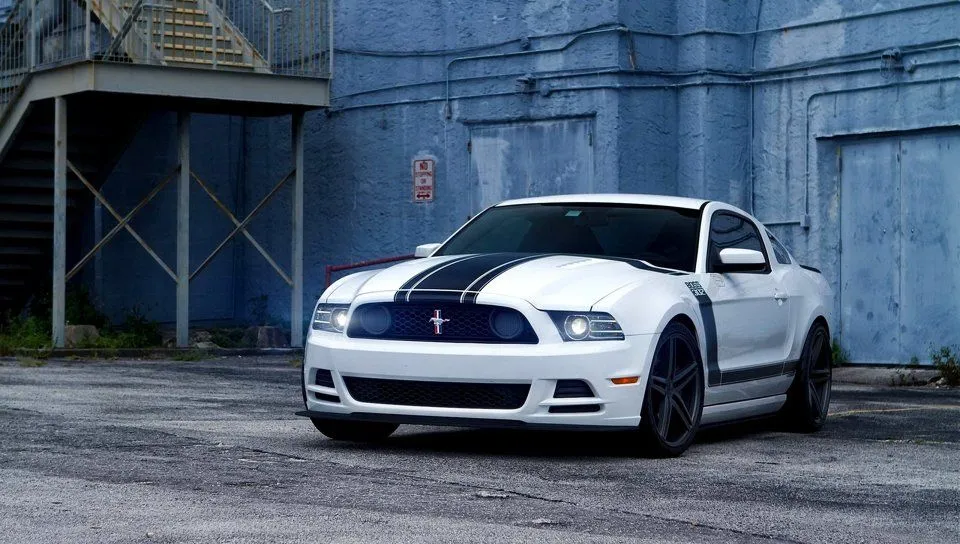 The 2012–2013 Boss 302 with its retro-inspired graphics and front splitter
Ford resurrected the Boss 302 to create a street-legal car capable of impressive track performance, directly challenging competitors like the BMW M3.
Engine and Performance
- Engine: Enhanced 5.0-liter V8 producing 444 horsepower and 380 lb-ft of torque.
- Track Key: An optional feature that adjusted engine parameters for track use.
- Handling: Adjustable suspension, Brembo brakes, and a limited-slip differential.
Design Focus
- Exterior: Retro-inspired graphics, front splitter, rear spoiler, and side-exit quad exhausts.
- Laguna Seca Package: An even more track-focused version with additional aerodynamic components and chassis stiffening.
Legacy
The modern Boss 302 was celebrated for its exceptional balance of power, handling, and affordability, earning accolades from automotive journalists.
Conclusion
From the revolutionary 1964½ Mustang to the modern Boss 302, each of these models represents a milestone in the evolution of an American legend. They embody the innovation, performance, and style that have kept the Mustang at the forefront of automotive culture for decades. Whether you’re a collector, an enthusiast, or simply a fan of iconic design, understanding these classics enriches your connection to the Mustang’s enduring legacy. Share your thoughts on these legendary models or explore more about the Mustang’s history—there’s always more to discover.