
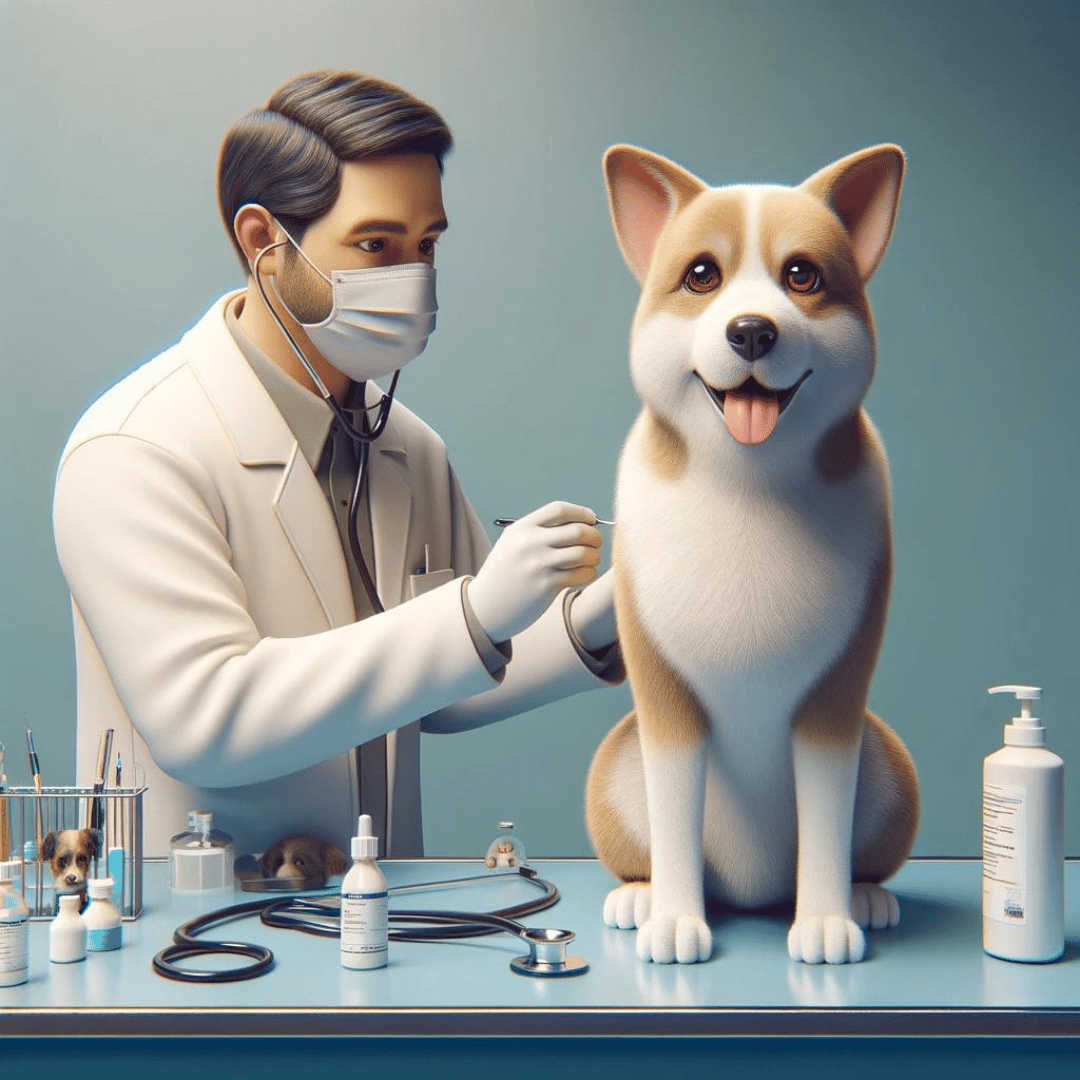
Keeping your pet healthy goes beyond providing nutritious food and daily exercise. Regular veterinary check-ups are essential for early detection of health issues, preventing long-term problems, and ensuring your furry friend enjoys a high quality of life. Whether you have a playful puppy, a senior cat, or a rescue pet with special needs, routine visits are vital for maintaining overall wellness.
Many pet owners only bring their pets to the vet when illness or injury occurs. However, just like humans, pets benefit from regular health assessments to catch potential issues before they escalate. Understanding the value of consistent veterinary care can significantly improve your pet’s well-being.
Preventative Care: A Foundation for Long-Term Health
Preventative care is the cornerstone of pet health. Instead of waiting for illness to appear, regular vet visits help identify potential risks early.
During routine examinations, veterinarians typically:
- Evaluate your pet’s weight, diet, and lifestyle
- Examine for lumps, skin conditions, or dental problems
- Update vaccinations and administer parasite prevention
- Discuss behavioral or mobility concerns
Investing in preventative care reduces the likelihood of serious conditions such as diabetes, heart disease, or arthritis. Early intervention is generally more effective and cost-efficient than treating advanced illnesses.
Example: The Benefits of Early Prevention
Studies indicate that pets receiving routine veterinary care tend to live longer than those brought to the vet only when sick. For instance, a Labrador Retriever with early-stage arthritis showed no visible symptoms. Thanks to a regular check-up, the condition was detected early, allowing treatment to slow progression.
Early Detection Saves Lives
Pets are masters at hiding discomfort. Unlike humans, they rarely exhibit obvious signs of illness. Early detection through regular vet visits is therefore crucial to prevent life-threatening conditions.
Common issues identified early include:
- Kidney or liver disease via blood tests
- Dental infections that can impact major organs
- Tumors or cysts with potential malignancy
- Heart murmurs or irregular breathing patterns
Without regular exams, these problems may only become noticeable when effective treatment is limited.
Case Study: Silent Illness in Cats
A 7-year-old domestic short-haired cat appeared healthy. During a routine check-up, the veterinarian discovered early signs of kidney disease. With no visible symptoms, the owner was surprised. Early detection allowed for a tailored diet and hydration plan, significantly extending the cat’s life expectancy.
Vaccinations and Parasite Prevention
Routine veterinary visits ensure pets stay current with vaccinations and parasite control, both of which are critical in preventing serious illnesses.
Why Vaccinations Are Vital
Vaccinations protect pets against:
- Canine parvovirus and distemper
- Feline leukemia and calicivirus
- Rabies (depending on local regulations)
Without immunizations, pets are vulnerable to life-threatening diseases, particularly in social environments such as parks, boarding facilities, or grooming centers.
Parasite Prevention
Regular parasite treatments protect against:
- Fleas, which cause itching, allergies, and infections
- Ticks, carriers of diseases like Lyme disease
- Heartworms, which can be fatal if untreated
Neglecting parasite prevention may result in costly emergency treatments. Routine vet care keeps your pet protected throughout the year.
Dental Health and Overall Wellness
Dental care is often overlooked but plays a critical role in a pet’s overall health. Poor oral hygiene can lead to:
- Gum disease and tooth loss
- Bacterial infections affecting the heart, liver, and kidneys
- Chronic pain affecting appetite and behavior
During check-ups, veterinarians examine teeth and gums and recommend professional cleaning if necessary.
Best Practices for Pet Dental Care
- Brush your pet’s teeth using pet-safe toothpaste
- Offer dental chews or toys to reduce plaque
- Schedule professional cleanings as advised
Early detection through regular vet visits prevents unnecessary pain and serious health issues.
Caring for Senior Pets
As pets age, their healthcare needs evolve. Regular veterinary visits help manage age-related conditions and maintain comfort.
Common concerns in senior pets include:
- Arthritis and joint pain
- Reduced kidney and liver function
- Cognitive decline similar to dementia in humans
Recommended Vet Visit Frequency
- Puppies and kittens: Annual check-ups and vaccinations
- Adult pets: Annually, unless specific health issues arise
- Senior pets: Every six months to monitor aging-related conditions
Routine exams allow for diet adjustments, supplements, and lifestyle changes to support their evolving needs.
What to Expect During a Pet Check-Up
For those new to routine veterinary care, a typical check-up includes:
- Physical Exam – Body condition, coat, eyes, ears, and teeth assessment
- Weight and Nutrition Review – Guidance for maintaining a healthy weight
- Vaccinations and Parasite Control – Ensure preventatives are up to date
- Bloodwork (if necessary) – Detect hidden illnesses early
- Discussion of Concerns – Address behavior, mobility, or lifestyle questions
These regular examinations keep pets healthy and give owners peace of mind.
FAQs About Regular Vet Check-Ups
How often should my pet visit the vet?
Most pets require annual check-ups. Senior pets or those with chronic conditions may need visits every six months.
What signs indicate a vet visit is needed?
Changes in appetite, weight loss, excessive thirst, bad breath, or unusual behavior are common indicators.
Can check-ups prevent serious illnesses?
Yes. Routine exams catch problems early, enabling timely treatment and improving outcomes.
Are vet visits expensive?
Preventative care is often more cost-effective than treating advanced illnesses. Regular check-ups can save money over time.
How can I keep my pet healthy between visits?
Follow your veterinarian’s advice on diet, exercise, and parasite prevention, and conduct regular at-home health checks.
Give Your Pet the Care They Deserve
Regular veterinary visits are essential for your pet’s longevity, health, and happiness. From preventing illness to vaccinations and dental care, routine check-ups identify problems early and ensure your pet thrives.
Book an appointment with a trusted veterinary clinic today to provide expert care tailored to your pet’s needs. Schedule a check-up and take the first step toward a healthier, happier life for your furry companion.
[internal_links]