
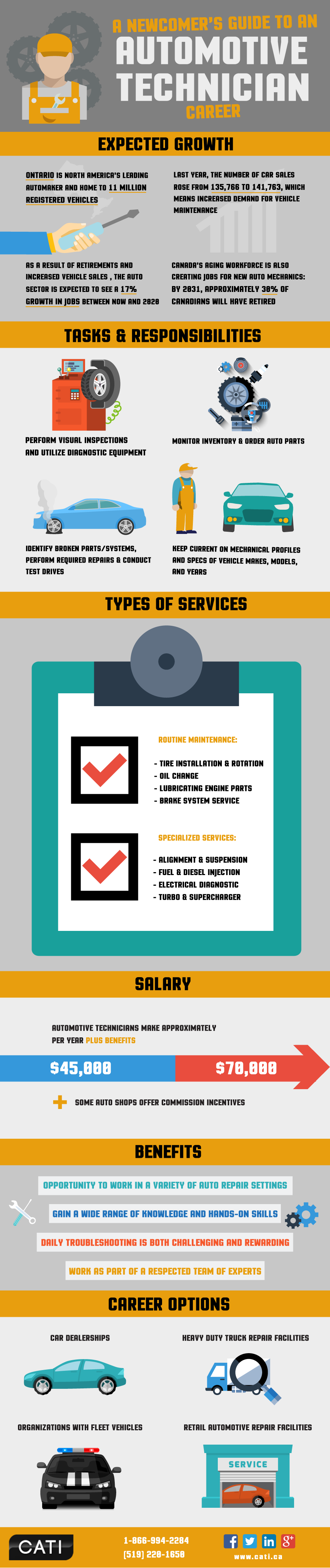
Automotive repair technicians, often referred to as auto service technicians or mechanics, are essential to the functioning of modern transportation. Their expertise is crucial for maintaining and repairing the complex systems found in today’s vehicles. This role demands a broad skill set, encompassing both traditional mechanical knowledge and a growing understanding of sophisticated electronic and computer systems.
Core Responsibilities and Evolving Skillset
The primary responsibility of an automotive repair technician is to inspect, maintain, and repair cars and light trucks. This involves diagnosing a wide range of issues, from fundamental mechanical problems with engines and transmissions to intricate electronic malfunctions in modern vehicles. As automotive technology advances, technicians must continuously update their knowledge to keep pace with innovations in vehicle design and components. This includes understanding advanced driver-assistance systems (ADAS), electric and hybrid powertrains, and complex onboard diagnostic systems. The demand for skilled technicians who can navigate these technological shifts is steadily increasing.
Compensation and Job Outlook
In 2023, the national average salary for a trained automotive service technician was approximately $47,770 per year. This figure can vary based on factors such as geographic location, the size and type of the repair facility (e.g., independent shop vs. dealership), and the technician’s level of experience and certifications.
The job outlook for auto repair technicians remains robust. The number of vehicles on the road in the United States is expected to continue its upward trend, directly correlating with the ongoing need for qualified professionals to perform essential maintenance and repairs. This sustained demand suggests a stable and promising career path for those entering or already established in the field.
Path to Becoming a Certified Technician
Aspiring automotive repair technicians can pursue various educational pathways to acquire the necessary skills and knowledge. Comprehensive training programs, some of which are available online, allow individuals to study at their own pace while balancing other commitments. These programs typically cover a wide array of automotive systems, diagnostics, and repair procedures.
Upon completion of academic coursework, graduates are often encouraged to seek Automotive Service Excellence (ASE) certification. ASE certifications are a widely recognized industry standard that validates a technician’s proficiency in specific areas of automotive repair. To be eligible for ASE certification, candidates usually need to complete a formal training program and gain practical, on-the-job experience. Choosing the right ASE certifications to pursue is a critical step in tailoring one’s career within the automotive repair sector. Exploring resources on ASE certifications can provide valuable guidance on the different specializations available.
Conclusion and Future Outlook
The automotive repair technician plays a vital role in ensuring vehicle safety, reliability, and performance. With the continuous evolution of automotive technology, the demand for skilled and certified technicians is projected to remain strong. Those considering a career in this field can look forward to a dynamic profession with opportunities for growth, specialized training, and competitive compensation. As vehicles become more complex, the expertise of these professionals will only become more indispensable.