
Cats are often perceived as independent creatures, requiring minimal attention. However, maintaining a cat’s health is as vital and involved as caring for a dog. Many cat owners, especially those with indoor-only cats, may avoid veterinary visits due to the difficulty of transporting their feline companions. This can unfortunately lead to delayed detection of illnesses and diseases. Ensuring your cat receives proper veterinary care, vaccinations, a balanced diet, parasite prevention, and adequate mental and physical stimulation from the moment you bring them home is crucial for their well-being at every stage of life. This guide will walk you through essential cat health practices for kittens, adult cats, senior cats, and geriatric cats.
Common Cat Health Issues
While cats can develop a variety of health problems, some are more prevalent than others. Common conditions include intestinal parasites, infectious diseases, inflammatory bowel disease, orthopedic issues, cancer, diabetes, hyperthyroidism, and kidney disease. Although these can affect cats of any age, certain issues are more common in specific life stages, such as intestinal parasites in kittens and kidney disease in older cats. Despite being indoor pets, cats are not immune to diseases, parasites, or injuries. They can still contract fleas or be exposed to diseases if they accidentally get outside or encounter infected animals.
Keeping Your Cat Healthy Across All Life Stages
The sheer volume of information on cat health can seem daunting. However, remember that veterinary professionals are readily available to offer education and support. Regular annual check-ups with your veterinarian are essential for monitoring your cat’s health, from their initial kitten visits to managing arthritis in their senior years.
Kitten: 0–12 Months
Welcoming a kitten into your home is an exciting experience, but it comes with significant responsibilities. Establishing good habits early on regarding veterinary care, nutrition, parasite prevention, and enrichment is key to a kitten’s healthy development.
Nutritional Needs
Kittens require a diet rich in calories and protein to support their rapid growth. Kitten-specific formulas are designed to meet these needs. Your veterinarian can recommend the best options, as the variety of available diets can be overwhelming. Kittens typically transition to adult food between 10-12 months of age, a change that should be made gradually over 7-10 days to prevent digestive upset. Adult cat food provides fewer calories and less protein, which is appropriate for their growth stage.
Supplements
Hairballs are a common concern for cats. Regular brushing can minimize ingested hair. Products like CAT LAX can aid in passing hairballs. If vomiting occurs more than once or twice a month, consult your veterinarian to rule out underlying health issues.
Medical Needs
Kittens are delicate and require intensive care during their early months.
Veterinary Care
Ideally, a kitten should visit a veterinarian within a few days of adoption, or at the latest, within 10-14 days. This initial visit often involves a comprehensive physical examination to check for abnormalities in their eyes, nose, mouth, heart, and lungs, as well as to assess their demeanor and gait. A stool sample will be analyzed for intestinal parasites, and deworming may be recommended. Testing for Feline Immunodeficiency Virus (FIV) and Feline Leukemia Virus (FeLV) is also crucial, as these viruses can be transmitted from mother to offspring or between cats.
Vaccines
Vaccinations are critical for protecting kittens against serious, preventable diseases. While shelters often administer the first round, a continuation of the vaccine series at your veterinarian’s office is necessary.
- Feline Distemper / FVRCP Vaccine: This combination vaccine protects against rhinotracheitis, calicivirus, and panleukopenia and is recommended for all kittens throughout their lives.
- Feline Leukemia Virus (FeLV) Vaccine: Recommended for all kittens, this vaccine, along with FVRCP, requires boosters as advised by your veterinarian. Indoor-only cats may not need adult FeLV boosters depending on their lifestyle.
- Rabies: The rabies vaccine is often legally required and is typically given between 12-16 weeks of age. Even indoor cats can be exposed to rabies, and vaccination is vital for both the cat and human health.
Dental Care
Your veterinarian will assess your kitten’s teeth during annual check-ups and recommend a dental cleaning if signs of gingivitis, tartar buildup, or tooth abnormalities are present. Kittens usually do not require dental cleanings unless they have retained baby teeth or anatomical issues. Daily brushing with a cat-safe toothpaste, such as Vetoquinol Enzadent, is the best way to maintain oral health.
Spay/Neuter
Shelter kittens are often spayed or neutered around 8 weeks old. If not, it’s recommended to perform the surgery between 4-6 months of age. Female kittens can become pregnant as early as 4 months, making early spaying crucial to prevent overpopulation. Delaying this procedure increases the risk of mammary tumors, uterine infections, and ovarian cysts in females, and testicular tumors in males.
Flea and Tick Prevention
Flea and tick prevention should begin as soon as possible, typically around 8 weeks of age. Even indoor cats can contract fleas, and kittens are particularly vulnerable to flea-bite anemia. Year-round prevention is recommended for all cats, and dosage adjustments are necessary as kittens grow.
Mental and Physical Stimulation
Kittens have abundant energy and curiosity that need appropriate outlets. Engaging toys that mimic prey, such as feathered or mouse-like toys, and those containing catnip, are beneficial. Avoid string, yarn, or ribbon toys, as they can cause intestinal obstructions if swallowed. Puzzle feeders and foraging toys provide both mental and physical exercise. Cardboard boxes and crumpled paper can also provide entertainment. Encouraging scratching on designated posts, whether cardboard, carpet, or wood, is important to prevent furniture damage. Experimenting with different textures and inclines can help identify your kitten’s scratching preferences.
Adult Cat: 12 Months–8 Years
Many owners mistakenly believe that annual veterinary visits are unnecessary after a kitten completes its vaccine series. However, cats age more rapidly than humans, necessitating regular check-ups and preventative care.
Nutritional Needs
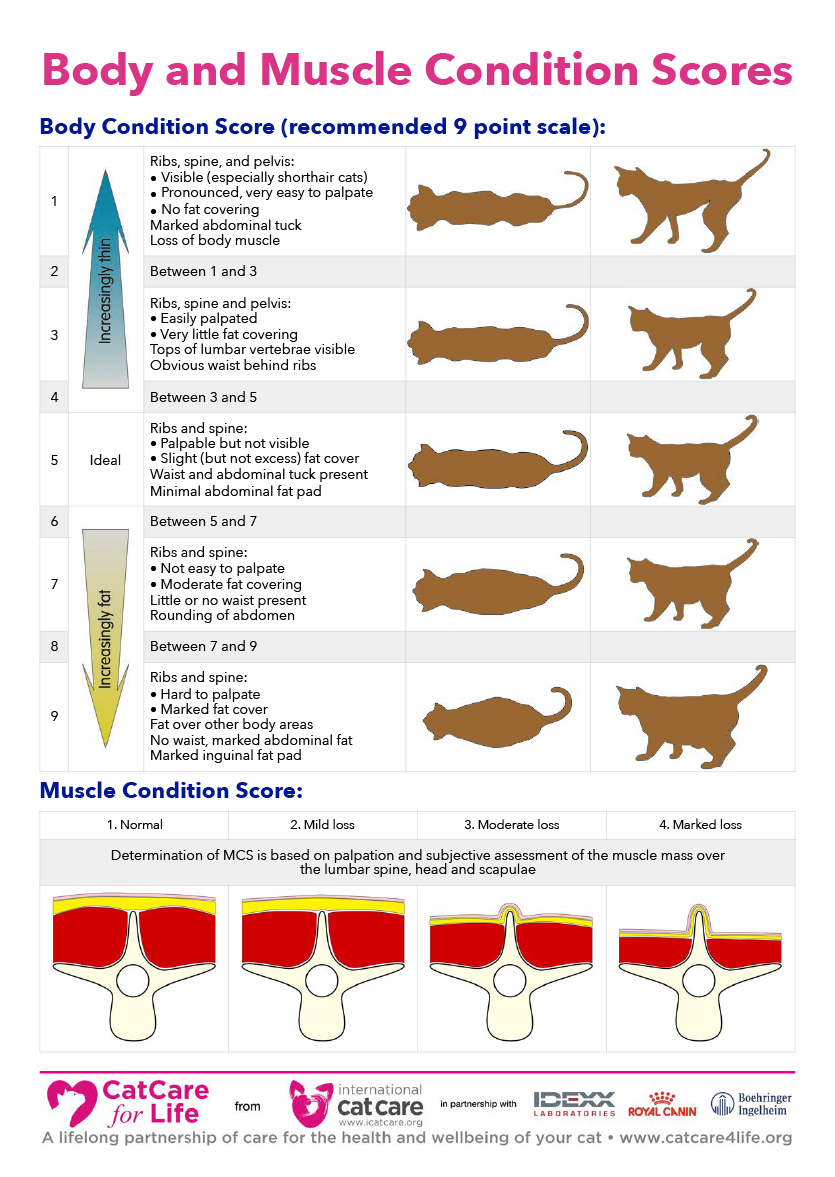
Obesity is a significant concern in adult cats, with an estimated 50% or more being overweight. This is often due to overfeeding or excessive treats. Adult cats require fewer calories and less protein than kittens and should be transitioned to adult food around 10-12 months of age. While cats are obligate carnivores, quality commercial diets are formulated to meet their nutritional requirements, including essential taurine. Look for the AAFCO statement on food labels to ensure a balanced diet.
Supplements
While a balanced diet is crucial, some cats may benefit from supplements for hairballs or anxiety. Regular brushing and maintaining a healthy weight aid in hairball control. For anxiety, pheromone diffusers like Feliway and calming chews like VetriScience Composure can be helpful. Severe anxiety should be addressed by a veterinarian.
Medical Needs
Yearly veterinary examinations are crucial for adult cats, along with consistent flea, tick, and dental care.
Veterinary Care
The American Association of Feline Practitioners (AAFP) recommends annual wellness exams for all adult cats. Stool samples should be checked for parasites every six to 12 months. Routine blood work is beneficial for establishing a baseline and detecting diseases early. Your veterinarian will screen for common issues like dental disease, obesity, and skin conditions, and monitor heart and ear health. Calming medications or pheromone products can help ease anxiety during vet visits.
Vaccines
All cats need protection against rhinotracheitis, calicivirus, and panleukopenia (FVRCP vaccine). Rabies vaccination is also essential, even for indoor cats. FeLV vaccination is recommended based on risk factors, such as outdoor access and interaction with other cats.
Dental Health
Dental disease is highly prevalent in cats, with most needing professional cleaning by age 3-5. Annual dental check-ups are vital. Daily brushing with cat-safe toothpaste and the occasional use of dental treats can supplement professional care.
Spay/Neuter
Spaying or neutering by 4-6 months of age is highly recommended to prevent unwanted pregnancies and reduce the risk of health issues like tumors and infections. Unneutered males are prone to spraying and testicular cancer.
Continuing Flea and Tick Medication
Year-round flea and heartworm prevention is crucial for adult cats, as fleas can be introduced indoors and heartworm is transmitted by mosquitoes. Tick prevention is important for cats with outdoor exposure.
Mental and Physical Stimulation
Regular play is essential for an adult cat’s physical and mental well-being, strengthening your bond and preventing behavioral problems. Providing scratching posts, perches, and hiding spots caters to their natural instincts. Foraging toys and interactive games can provide mental engagement. While cats may enjoy the boxes their toys come in, interactive play sessions are vital. Avoid string-like toys due to the risk of ingestion.
Senior Cat: 8–15 Years
Cats are considered seniors around 8 years of age, and this stage often requires increased veterinary attention. Arthritis, vision and hearing decline, and other age-related changes become more common.
Nutritional Needs
Obesity remains a concern, but some senior cats may become underweight due to underlying medical conditions. A diet rich in moisture, such as canned food, is generally recommended for hydration and calorie management. Senior-specific formulas can provide appropriate nutrition.
Supplements
Senior cats may benefit from supplements for hairballs, dental health, digestion, joints, and skin and coat health. Consult your veterinarian before administering any supplements.
Medical Needs
Senior cats should ideally have wellness exams every six months. Blood work, urinalysis, and fecal checks are recommended annually or biannually. Common ailments in senior cats include chronic kidney disease, hyperthyroidism, hypertension, inflammatory bowel disease, dental disease, cancer, obesity, and arthritis. Early detection and management through consistent health screenings are key to maintaining their quality of life. Pain management for arthritis can significantly improve their comfort.
Vaccines
Senior cats generally maintain the same vaccination schedule as younger adults, as their immune systems may be less robust. Vaccinations for FVRCP and rabies are standard. FeLV vaccination is considered based on risk factors.
Dental Health
Annual dental cleanings are often beneficial for senior cats, though frequency may vary based on individual needs. Blood work is essential before any anesthesia.
Continuing Flea and Tick Medication
Year-round flea prevention is vital, as older cats are particularly susceptible to flea-bite anemia. Heartworm and tick prevention should also be considered based on your cat’s lifestyle and geographic location.
Mental and Physical Stimulation
While senior cats may be less active, continued mental and physical stimulation is important. Gentle play, accessible perches, and puzzle toys can keep their minds engaged and bodies moving. Pet stairs or ramps can aid mobility for cats with arthritis.
Geriatric Cat: 15–20 Years
As cats enter their geriatric years, their risk of disease increases, and attentive care is paramount. Monitoring appetite, behavior, and any signs of pain or discomfort is essential.
Health Issues Specific to Geriatric Cats
Geriatric cats experience many of the same health issues as seniors, but often with greater frequency and severity. Dental disease is almost universal unless preventative care was consistent. Weight loss due to illness is common, necessitating treatment of underlying conditions. Arthritis can significantly impact mobility, leading to litter box issues and accidents. Declines in hearing and vision may require environmental adjustments, such as nightlights. Cognitive dysfunction can cause confusion and accidents. Geriatric cats also require significant help with grooming due to decreased flexibility.
Nutritional Needs
Geriatric cats often struggle with underweight due to various health conditions. Smaller, more frequent meals are often beneficial, and ensuring easy access to food is crucial. Prescription diets may be necessary for specific medical conditions. For cats not on prescription diets, senior or geriatric formulas, preferably canned, are recommended.
Supplements
Consult your veterinarian regarding supplements, especially if your cat is on medication or a special diet. Supplements for constipation, joint health, and general well-being may be beneficial.
Veterinary Care
Geriatric cats typically require veterinary visits every six months, or more frequently if managing chronic conditions. Regular monitoring of blood pressure, blood work, and physical exams are crucial for managing diseases like diabetes, heart disease, hyperthyroidism, and kidney disease.
Vaccines
Healthy geriatric cats should follow the same vaccination schedule as younger adults to support their immune system. FVRCP and rabies vaccinations are standard.
Dental Health
Dental disease is extremely common in geriatric cats and can lead to oral pain and decreased appetite. While dental cleanings are important, the risks and benefits of anesthesia for geriatric cats with underlying health conditions must be carefully weighed with your veterinarian.
Continuing Flea and Tick Medication
Year-round flea and tick prevention remains critical, as geriatric cats are highly susceptible to flea-bite anemia and can find infestations particularly distressing due to reduced grooming ability.
Mental and Physical Stimulation
Even in their advanced years, geriatric cats benefit from mental and physical stimulation. Gentle play on the ground, puzzle toys, and providing accessible spots to observe their surroundings can keep their minds active.
End of Life Considerations and Quality of Life
The decision of when to say goodbye to a beloved feline companion is one of the most difficult aspects of pet ownership. Open communication with your veterinarian is essential, using a quality-of-life scale and daily journals to track your cat’s well-being can aid in this process. Euthanasia, when necessary, is a peaceful and humane option, offering a final act of compassion to prevent suffering.
Featured Image: iStock.com/Vasyl Dolmatov