
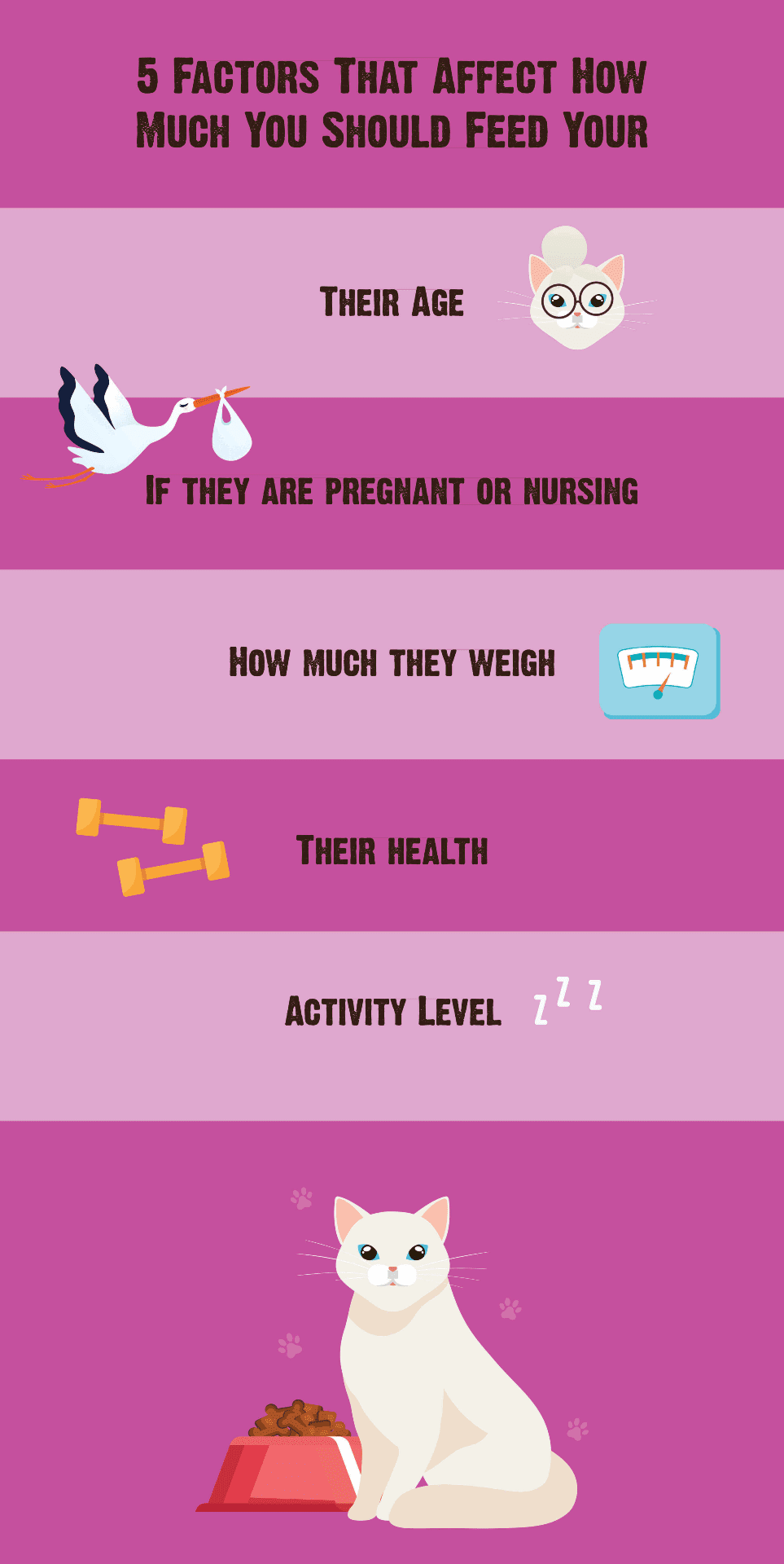
Establishing a consistent and appropriate feeding routine is crucial for your cat’s health and well-being. The frequency and amount of food your feline companion needs are influenced by several factors, including age, health status, and individual preferences. Feeding your cat too little can lead to unhealthy weight loss and serious health complications like hepatic lipidosis, a potentially fatal condition involving excessive fat accumulation in the liver. Conversely, overfeeding can result in obesity, which carries its own set of health risks. Understanding these nuances will help you set your cat on the right path to a healthy life. While the ideal diet should be complete and balanced, there isn’t a one-size-fits-all answer to how often a cat should be fed.
The Impact of Age on Feeding Schedules
Kittens have higher energy requirements per pound of body weight compared to adult cats due to their rapid growth. Therefore, they need to be fed more frequently throughout the day. Kittens generally thrive on three meals a day until they reach six months of age. Between six months and one year, feeding them twice daily is usually recommended. Once a cat reaches adulthood, typically around one year old, feeding once or twice a day is generally appropriate. Senior cats, aged 10 years and older, should maintain the same feeding regimen unless advised otherwise by a veterinarian.
Health Conditions and Dietary Needs
Certain health conditions in cats may necessitate modifications to their diet. For instance, diabetic cats often benefit from a diet moderately restricted in carbohydrates. Cats suffering from advanced chronic kidney disease (CKD) typically require a diet that is restricted in protein and phosphorus. For cats experiencing periodontal disease, a common ailment, chewing dry food can be challenging. In such cases, offering wet food, dry food with smaller kibble sizes, or adding water to dry food can make eating easier.
Selecting the Right Food for Your Cat
The most important consideration when choosing cat food is ensuring it is nutritionally complete and balanced. Numerous high-quality wet and dry cat food options meet these requirements. While all cats need constant access to fresh water, this is particularly vital for those on an all-dry food diet, especially if they are prone to lower urinary tract disease. Wet cat food, containing about 70 to 80 percent water, can be given in addition to or as a replacement for dry food. Some cats find canned food more appealing, and they might consume excessive amounts if allowed free access, a risk that also applies to dry food.
Overfeeding is a common issue, even with pets. The feeding instructions on pet food labels are typically based on the average cat’s needs. If your cat expends less energy daily than the average, you might be feeding more than necessary. Conversely, highly active cats may require more calories to maintain good health. Dry food can be enhanced with a small amount of wet food to increase palatability. Free-feeding dry food, where it’s available at all times, may work for some cats but can lead to overeating and weight gain in others. It’s essential to ensure any food offered to your cats is fresh, with any food left out for grazing replenished daily. If you have a finicky eater, occasionally switching foods might help prevent them from becoming fixated on a single diet. This approach can help ensure your cat receives a balanced diet and maintains a healthy weight.
Adapting Feeding to Your Lifestyle
Your personal schedule can also influence how often you feed your cat. Busy mornings might make evening feeding more practical. If your evenings are hectic, consider feeding your cat in the morning before the household becomes active. The key is to find a schedule that is manageable for you and consistent for your cat. In a multi-cat household, not all cats may respond to feeding calls simultaneously, potentially leading to some not getting enough food if it’s not left out. Others might overeat if food is always accessible. In such scenarios, feeding cats separately or in different areas of the house can be beneficial. This tailored approach ensures each cat’s individual needs are met, contributing to their overall health and contentment.
Conclusion: Consistency is Key
In summary, determining the right feeding frequency for your cat involves considering their age, health status, and your lifestyle. Kittens require more frequent meals than adult or senior cats. Specific health conditions may necessitate dietary adjustments, always under the guidance of a veterinarian. While many commercial cat foods are nutritionally complete, ensuring adequate water intake is crucial, especially for cats on dry food diets. Ultimately, a consistent feeding schedule, adapted to your cat’s individual needs and your daily routine, is fundamental to their long-term health and happiness. If you’re looking for specific dietary recommendations, exploring options like merrick grain free dry dog food healthy weight recipe for dogs, or focusing on best diet dog food for weight loss can provide insights into tailored nutrition, though always consult your vet for cat-specific advice. For cats with severe allergies, finding the best dog food for dogs with severe allergies and adapting principles can be a starting point, and understanding the needs of breeds like the best dog food for adult german shepherd can highlight breed-specific nutritional requirements. Remember, proper nutrition and consistent care are essential elements of dog care services that contribute to a happy and healthy pet.