
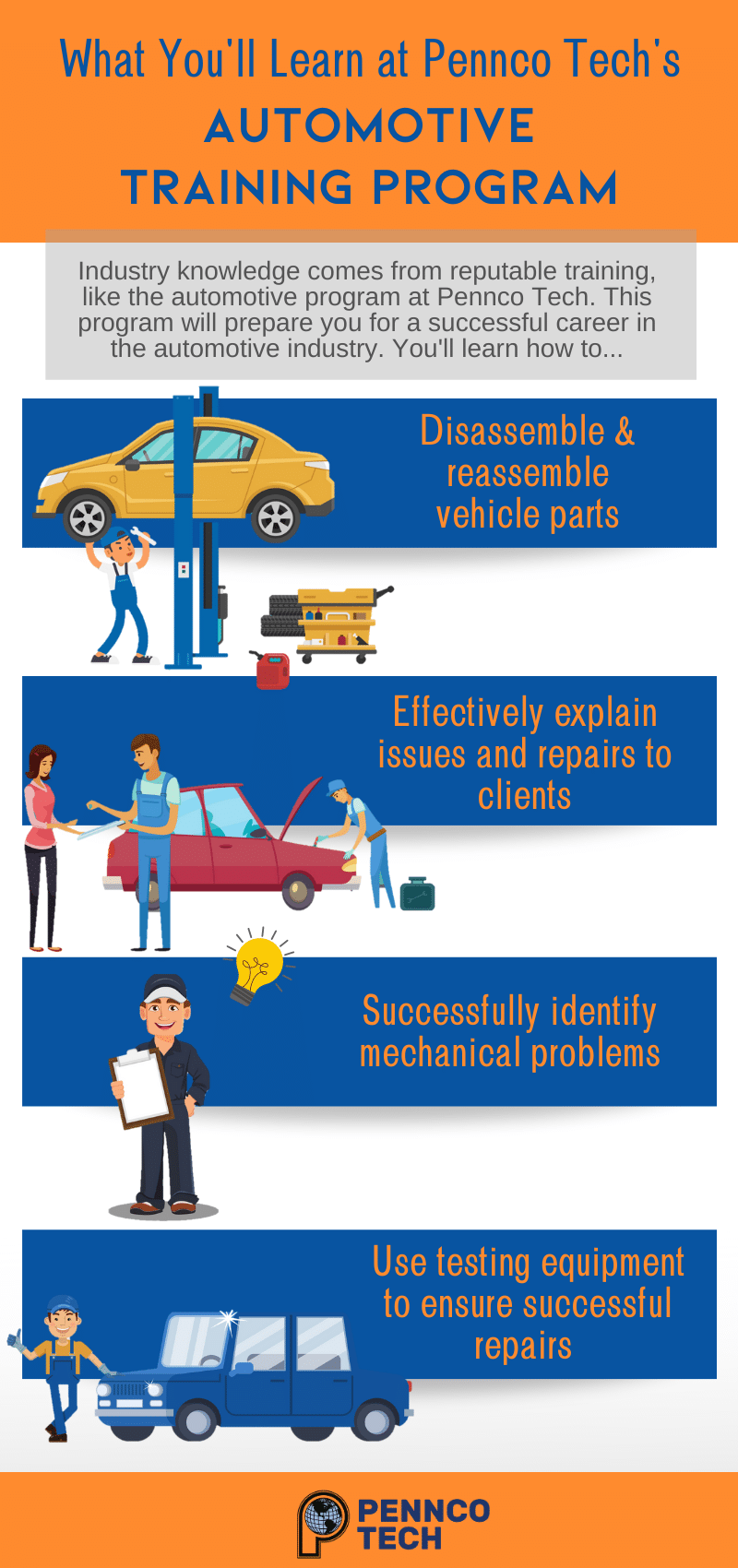
Embarking on a career as an automotive technician requires a specific set of qualifications and a demonstrable understanding of vehicle mechanics. This role is crucial for maintaining the safety and performance of modern vehicles, demanding both technical proficiency and practical experience. This guide outlines the minimum qualifications and essential knowledge and abilities needed to succeed in this dynamic field.
Minimum Qualifications for Automotive Technicians
To be considered for an Automotive Technician position within the California state service, candidates must meet specific experience requirements.
Option 1: Progression from Trainee Role
One year of experience performing duties related to automotive service or repair at a level equivalent to or exceeding that of an Automotive Technician Trainee is the primary qualification. It’s important to note that individuals with six months of this required experience can participate in the examination process. However, they must successfully complete the full year of experience before being eligible for an official appointment.
Option 2: Broader Repair Facility Experience
Alternatively, candidates can qualify with two years of experience in servicing and repairing motor vehicles. This experience should have been gained in a professional setting such as a garage, motor vehicle agency, or another significant vehicle repair facility. Furthermore, formal education in automotive mechanics or automotive engineering from a college or trade school can be applied towards this requirement. This educational experience can be substituted on a year-for-year basis. For those substituting education for experience, if they are within 15 semester units or 22 1/2 quarter units of completing their educational requirements, they will be allowed to take the examination. However, full completion of the educational program is mandatory before they can be considered for appointment.
Essential Knowledge and Abilities
Beyond formal experience, a deep understanding of automotive systems and the ability to apply this knowledge are critical.
Knowledge Base
A qualified Automotive Technician must possess a comprehensive understanding of all the duties performed by an Automotive Technician Trainee. This includes an in-depth knowledge of a vehicle’s various components, how they function individually, and how they interact within the broader system. Equally important is the practical knowledge of the safe operation of a wide array of electric and air-powered tools, along with their associated accessories. This encompasses tools such as electric drill motors, air-powered impact wrenches, and various smaller hand tools. Additionally, technicians must be adept at selecting the correct size and type of wiring terminal or connector for electrical connections and understand the appropriate hardware required for mounting different components and specialized equipment.
Skillset and Abilities
In addition to the knowledge base, Automotive Technicians must be capable of performing all the tasks expected of an Automotive Technician Trainee. A key ability is the capacity to work effectively under pressure, particularly in demanding environments like an assembly line. This requires not only technical skill but also mental fortitude and efficiency in managing tasks and time.
For those interested in pursuing a career in automotive repair, understanding these requirements is the first step. Exploring automotive technician schools can provide a solid foundation for developing the necessary expertise.