
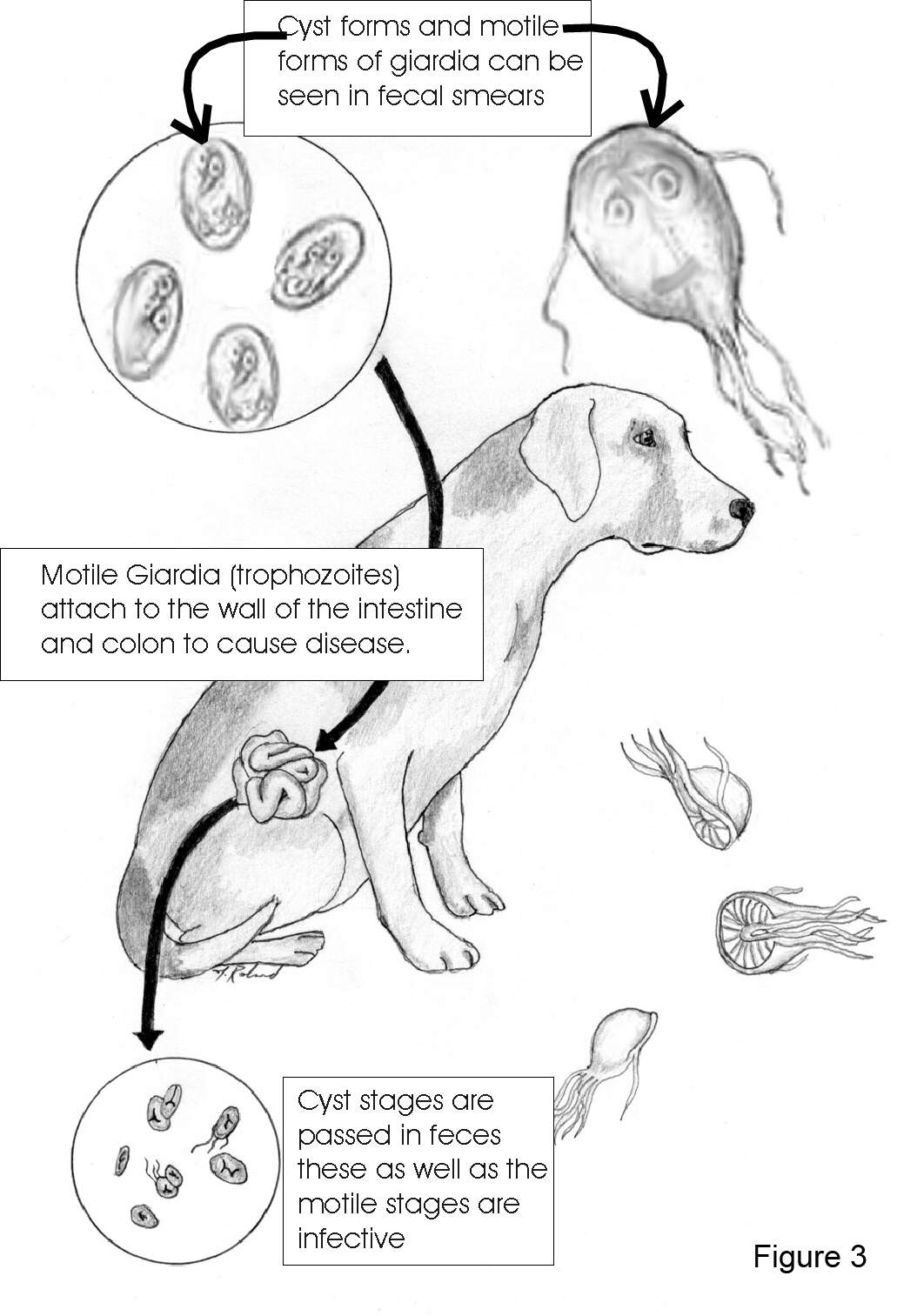
Giardiasis is a prevalent parasitic infection that can lead to diarrhea in dogs. This condition is caused by Giardia, an intestinal parasite commonly found in environments contaminated with feces, such as soil, food, and water. While some dogs may exhibit no signs of infection, younger dogs or those with compromised immune systems are more susceptible to developing symptoms. Due to the ease with which dogs can reinfect themselves, successful treatment hinges on effective anti-parasitic medications, thorough cleaning, and diligent environmental management, both indoors and outdoors.
Causes of Giardiasis
Dogs contract Giardia by ingesting contaminated water, soil, food, or objects. The parasite exists in two forms: trophozoites, which reside in the intestines of infected dogs, and cysts. Cysts are essentially trophozoites encased in a protective outer shell, which are then shed in the dog’s stool. These cysts are remarkably resilient, capable of surviving in the environment for months, and are immediately infectious. Even a small number of ingested cysts can initiate an infection. A dog can easily become reinfected through self-grooming if cysts remain on their fur, paw pads, or hindquarters.
Clinical Signs of Giardiasis
Many infected dogs remain asymptomatic, maintaining normal appetite and energy levels. However, in more severe cases, dogs may display lethargy, a decreased appetite, or weight loss. The most frequently observed clinical signs of Giardiasis include:
- Acute or sudden onset of diarrhea
- Stool that is soft or watery, often containing mucus and possessing a foul odor
- Abdominal discomfort
Diagnosis
To diagnose giardiasis, your veterinarian will typically examine a stool sample. It’s important to note that Giardia cysts can be shed intermittently, meaning they might not be present in every single stool sample. Your veterinarian may recommend a second fecal test to look for other indicators, such as Giardia-specific antigens – small proteins produced by the parasite. This method is unaffected by the intermittent shedding of cysts.
Treatment for Giardiasis
The primary goals of treatment are to resolve the diarrhea and alleviate other clinical signs. Dogs that are asymptomatic may not require any medical intervention.
Medication
- Fenbendazole is a commonly prescribed deworming medication effective against Giardia.
- Metronidazole, an antibiotic, is another viable treatment option.
- Your veterinarian might opt for a combination of both fenbendazole and metronidazole.
Diet
- To aid in resolving diarrhea and supporting digestive health, your veterinarian may recommend a specific therapeutic diet.
Bathing
- It is crucial to give your dog a thorough bath on the final day of treatment. This helps remove any remaining fecal matter and Giardia cysts from the dog’s fur.
Cleaning the Environment
- Giardia cysts can be effectively killed using common household disinfectants and steam cleaning.
- All feces should be removed and disposed of promptly.
- Giardia cysts present on lawns can only be eradicated by direct sunlight drying them out.
Prognosis and Potential Complications
With appropriate treatment, most dogs make a full recovery from giardiasis. Should diarrhea persist after the treatment course, your veterinarian may need to re-examine a stool sample to check for reinfection. Retesting for antigens is generally not recommended, as Giardia antigens can remain detectable even after a successful treatment, potentially leading to false-positive results.
Dogs are susceptible to reinfection if their environment is not properly managed. Furthermore, refractory infections can occur if the Giardia strain is resistant to the prescribed medication or if the medication was not administered at the correct dosage.
Zoonotic Potential
While humans and other animal species can contract Giardia, the strains that typically infect humans differ from those commonly found in dogs and cats. Likewise, dogs and cats are usually affected by different Giardia strains. Consequently, transmission of Giardia from pets to humans, or vice versa, is rare. Nevertheless, it is always important to practice good hygiene, such as washing hands thoroughly with soap and water after handling pets or potentially infected feces.
Contagion Among Pets
In households with multiple pets, an infected dog generally does not pose a significant risk to a healthy cat, as they are susceptible to different strains of Giardia. Similarly, an infected cat is unlikely to transmit the parasite to a healthy dog. However, an infected dog does increase the risk of exposing other dogs in the household to Giardia due to the presence of cysts. To mitigate this risk, consider having dogs defecate in separate areas, wiping the infected dog’s rear after defecation, and preventing them from grooming each other. Consistent prompt disposal of feces, bathing the infected dog at the end of treatment, and thorough handwashing after contact remain essential preventive measures.