
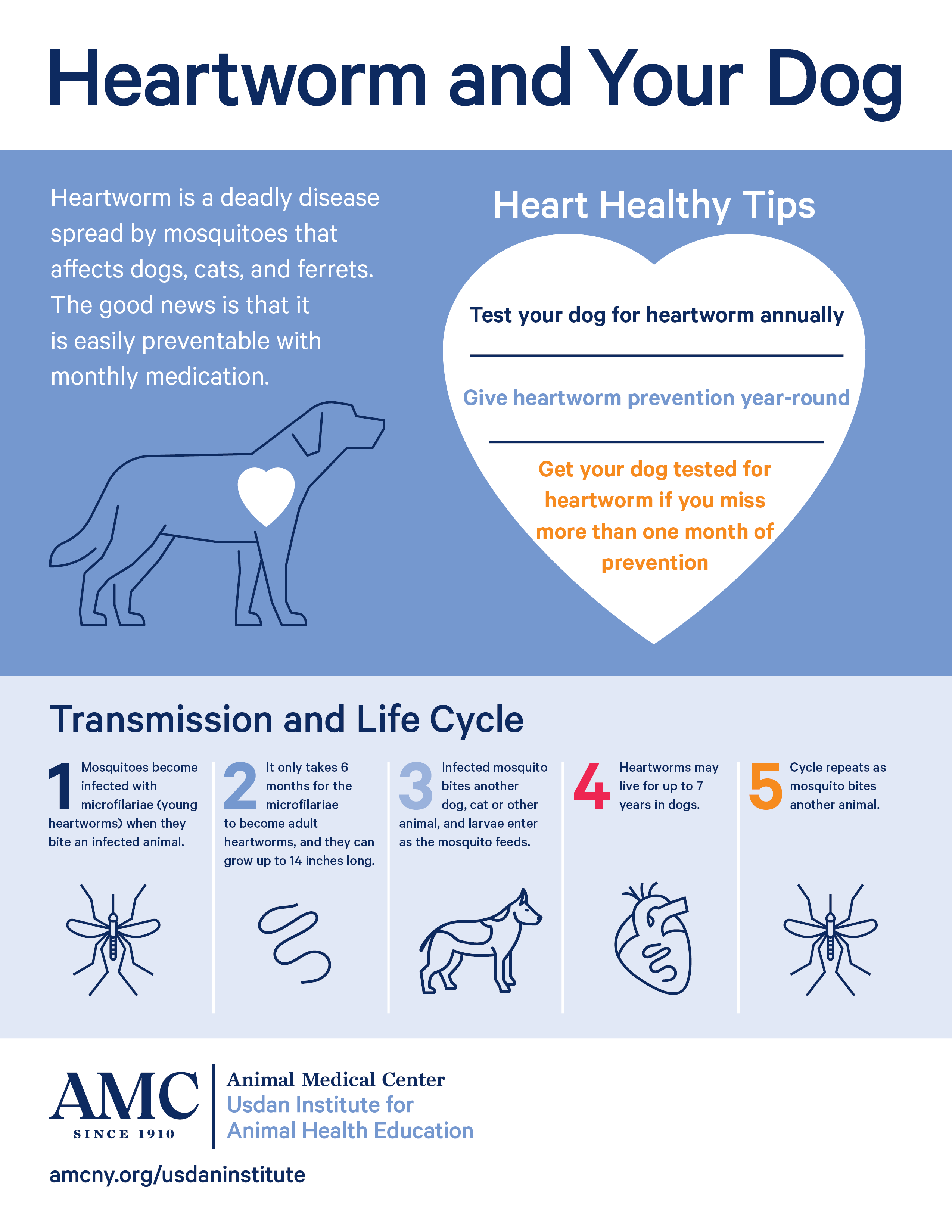
Heartworm disease is a serious and potentially fatal condition in dogs, primarily transmitted through mosquito bites. While the thought of such a pervasive parasite can be daunting, understanding its transmission, recognizing symptoms, and implementing preventative measures are key to safeguarding your canine companion’s health. This guide delves into the intricacies of heartworm disease, offering comprehensive information for dog owners.
The definitive hosts for heartworms are domestic dogs, though other animals like cats and ferrets can also be infected. The parasite responsible for this disease is Diarofilaria immitis. The life cycle begins when a mosquito ingests immature heartworms, known as microfilaria, from an infected dog. Inside the mosquito, these microfilaria mature into larvae. When the infected mosquito then bites another dog, it injects these mature larvae, initiating a new infection. These larvae travel through the dog’s tissues, enter the bloodstream, and ultimately reach the heart and lungs, where they mature into adult worms. Male heartworms can grow up to 6 inches, while females can reach 12 inches. After approximately 6 to 9 months, the adult worms begin producing new microfilaria, and adult heartworms can live in a dog for 5 to 7 years. Heartworm disease is prevalent globally, with significant prevalence in the southeastern United States and along the Mississippi River Valley, though it can be found in all 50 states and Canada.
Preventing Heartworm Infections
The most effective way to protect your dog from heartworm disease is through regular preventative medication. These medications are safe and highly effective when administered monthly, year-round. Options include:
- Oral medications: These contain ingredients like Ivermectin (e.g., Heartgard Plus, Tri-Heart) or Milbemycin (e.g., Interceptor, Sentinel).
- Topical medications: Products like Selemectin (e.g., Revolution) or Moxidectin (e.g., Advantage Multi, Simparica Trio) are applied to the skin.
- Injectable medications: Moxidectin is available in long-acting injections such as ProHeart 6 and ProHeart 12.
Additionally, topical products like Advantix can be used to repel and kill mosquitoes, offering an extra layer of protection.
Clinical Signs of Heartworm Disease
Clinical signs typically become apparent only after heartworms have established themselves in the dog’s lungs and heart. The disease progresses through several stages:
Stage 1: Mild Disease
In the initial stage, with low worm numbers, some dogs may not exhibit any outward clinical signs.
Stages 1-2: Mild to Moderate Disease
As the infection progresses, owners may notice signs such as:
- Coughing
- Weakness
- Reduced exercise tolerance
Stage 3: Severe Disease
This advanced stage is characterized by more severe symptoms, including:
- Heart failure: Manifesting as persistent coughing, labored breathing, and abdominal enlargement.
- Dark urine: Indicating potential kidney issues or red blood cell breakdown.
- Caval syndrome: A life-threatening condition where a large number of worms obstruct blood flow in the right side of the heart and major blood vessels.
- Anemia: Caused by the destruction of red blood cells.
Diagnosing Heartworm Infection
Veterinarians employ several diagnostic methods to confirm heartworm infection:
- Blood tests: These detect the presence of both adult worms and circulating microfilaria.
- Echocardiography: Ultrasound of the heart allows visualization of worms within the heart chambers and major blood vessels.
- X-rays (Radiographs): Chest X-rays can reveal changes in the heart and lungs associated with heartworm disease.
When to Test Your Dog
Regular testing is crucial for early detection and management:
- Dogs over 7 months of age should be tested.
- Dogs on monthly preventatives should still be tested annually.
- Test 7 months after a potential infection, especially if doses of preventative medication were missed.
- Annual testing is recommended, or biannually for dogs in high-risk areas.
Positive Heartworm Test Results and Treatment
If your dog tests positive for heartworms, your veterinarian will discuss treatment options and may recommend further diagnostic tests, such as a complete blood count, chemistry panel to assess organ function, and urinalysis to evaluate kidney health.
Treatment Protocols
Treatment plans are individualized based on the dog’s overall health, symptom severity, and diagnostic results.
Treatment for Stages 1-2:
Strict exercise restriction is paramount throughout the treatment period.
- Microfilaria Prevention: A heartworm preventative is administered to eliminate microfilaria. Close monitoring for rare adverse reactions is necessary.
- Antibiotics and Corticosteroids: A 4-week course of doxycycline (an antibiotic) and prednisone (a corticosteroid) is prescribed. Doxycycline combats bacteria within the heartworms, while prednisone helps reduce lung inflammation and potential blood clots.
- Adult Worm Treatment: One to two months after starting the initial course, your veterinarian will administer melarsomine, an FDA-approved drug that kills adult heartworms. This injection is typically given in the hospital, and pain at the injection site is the most common side effect.
- Post-Injection Care: Following melarsomine administration, another course of prednisone may be prescribed. Approximately one month later, two more melarsomine injections are given 24 hours apart.
- Extended Rest: It is crucial to maintain strict rest for an additional 6-8 weeks while the dead worms are absorbed by the body.
- Follow-up Evaluation: Your veterinarian will schedule follow-up visits over the next nine months to assess treatment success, repeating steps as needed.
Treatment for Stage 3:
Dogs exhibiting signs of heart failure require stabilization before commencing heartworm treatment. For those with caval syndrome, emergency surgical removal of adult worms is necessary. While a protocol with only two melarsomine injections exists, it is not the preferred first-line treatment. Heartworm preventatives can be used to slowly kill adult worms in cases where melarsomine cannot be administered due to other medical reasons.
Consequences of Untreated Heartworm Disease
Without timely treatment, the damage to a dog’s heart and lungs will progressively worsen, leading to more severe symptoms and potentially life-threatening complications.
Treatment Success Rates
The 3-part melarsomine injection protocol is highly effective, boasting a 98% success rate in killing adult heartworms. However, inadequate rest post-treatment significantly increases the risk of fatal pulmonary embolisms caused by dying worms obstructing blood flow in the lungs. For dogs with heart failure or caval syndrome, the prognosis is less favorable, though treatment can still lead to successful outcomes.
Heartworm Transmission to Humans
While uncommon, humans can become infected with heartworms through mosquito bites. The first U.S. case was reported in 1941, with only 81 cases documented since. Symptoms in humans typically involve subcutaneous nodules or eye irritation. Prevention for humans includes avoiding mosquito bites, particularly in high-risk areas.