
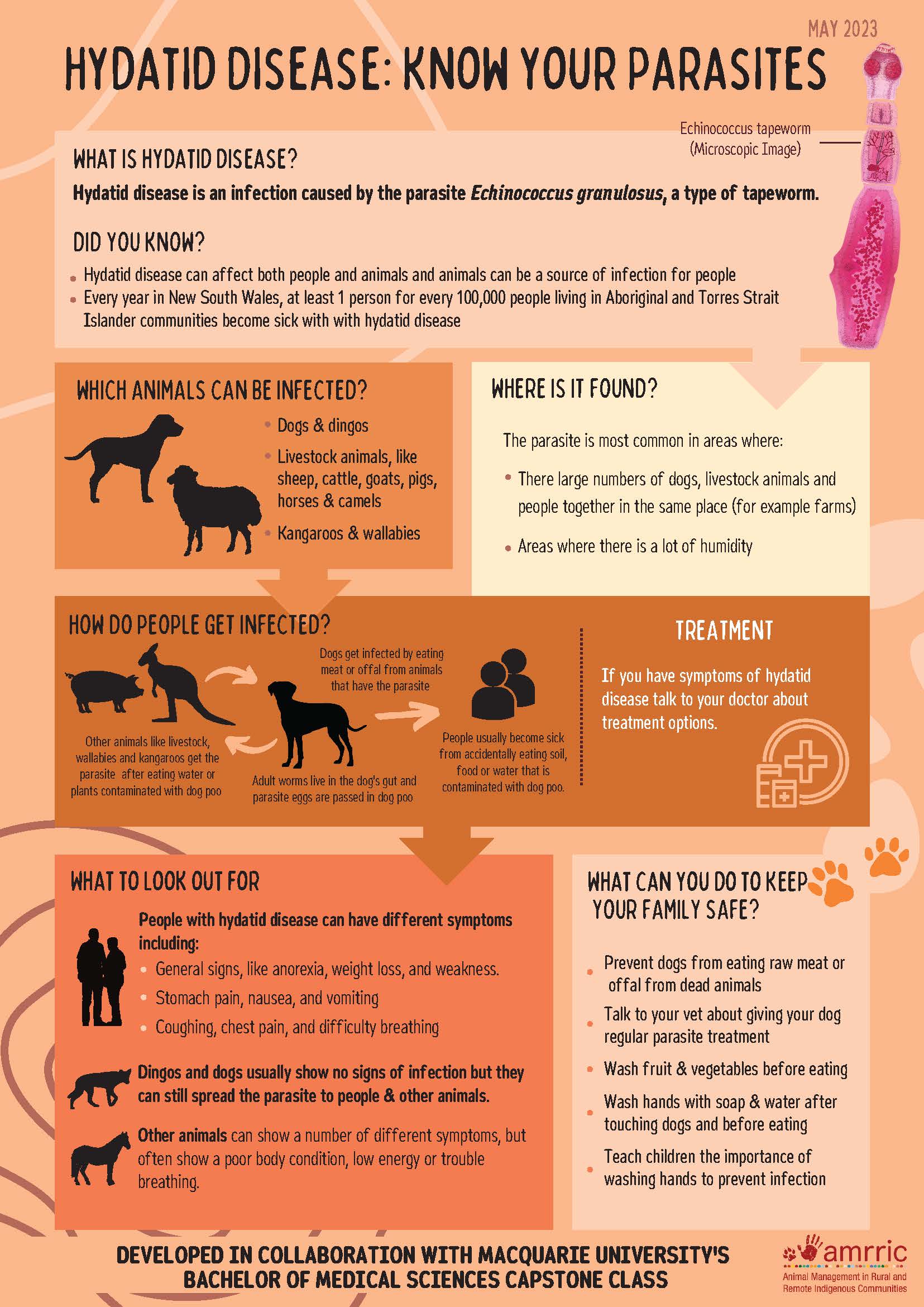
The tapeworm Echinococcus multilocularis poses a significant, albeit uncommon, threat in Europe, presenting severe health risks to both dogs and humans. In dogs, the prognosis can be grim, with a Swiss study indicating that approximately half of affected dogs were euthanized due to the disease’s severity or the prohibitive costs associated with surgery and lifelong medication. This highlights the critical need for awareness and preventative measures among pet owners and the general public.
Dog owners, gardeners, and foragers should be particularly vigilant. Exposure to E. multilocularis eggs can occur through contact with the feces of infected dogs, foxes, coyotes, or wolves. Humans can contract the parasite by consuming contaminated produce, such as berries, herbs, greens, and wild mushrooms, or by drinking untreated surface water. Global health experts recognize E. multilocularis as one of the top three food-transmitted parasites worldwide, underscoring the importance of thorough produce rinsing and water filtration, especially when camping.
While direct transmission from hugging a dog is unlikely, people are generally infected through environmental exposure via food or water. Nevertheless, practicing good hygiene, such as washing hands thoroughly with soap and water after handling dog feces, is crucial. It’s important to note that common hand sanitizers are not effective against most parasites.
Preventative measures are key to mitigating the risks associated with E. multilocularis. Pet owners can protect themselves and their pets by:
- Preventing pets from accessing the feces of wild canids and infected rodents.
- Keeping cats indoors and dogs on leashes when outdoors.
- Implementing measures to prevent rodent infestations around the home.
- Administering veterinarian-prescribed deworming medication on a monthly basis for high-risk pets.
It is vital for pet owners to understand that standard monthly medications for heartworm or tick prevention typically do not include an anti-tapeworm component effective against Echinococcus. Medications marketed for “tapeworms” may only cover more common and less serious species like Taenia or Dipylidium.
Some have proposed eradicating wildlife as a solution to control the parasite. However, this approach is neither ethical nor effective and could inadvertently worsen the problem by increasing the proportion of heavily infected young wild canids. Even if foxes and coyotes were eliminated from a region, infected rodents would persist, continuing to harbor the parasite. Furthermore, these wild animals play a role in controlling rodent populations, which indirectly helps limit the parasite’s spread to domestic dogs.
The risk of contracting E. multilocularis is significantly higher from infected domestic dogs, with whom we share our homes and yards, compared to wild canids encountered in less frequent scenarios.
Emily J. Jenkins is an Associate Professor in Veterinary Parasitology and Public Health at the University of Saskatchewan.