
The world of gaming has seen a significant surge in players, with a reported increase of over 10.4% in both console and PC gamers since 2020, bringing the global total to 4 billion. While this growth is exciting for the industry, it has also led to a rise in individuals experiencing conditions like carpal tunnel syndrome, affecting over 8 million people worldwide. This article will explore how gaming can contribute to carpal tunnel syndrome and, more importantly, provide actionable advice on prevention and treatment for gamers.
Understanding Carpal Tunnel Syndrome
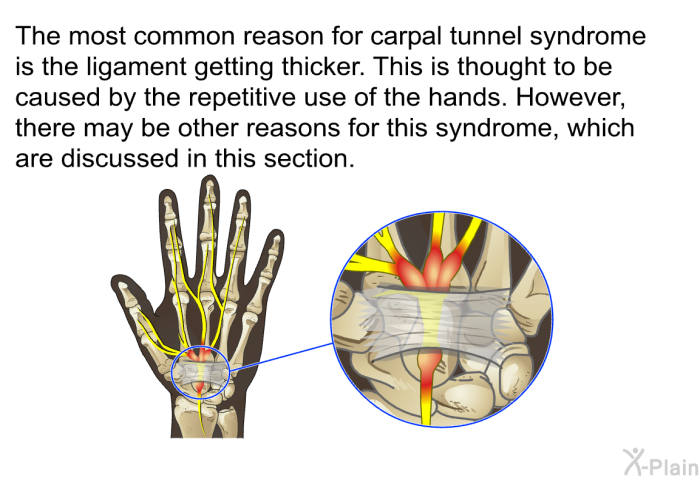
Carpal tunnel syndrome occurs when the median nerve, a crucial nerve responsible for fine motor skills in the hand, is compressed within the carpal tunnel in the wrist. This compression can manifest as numbness, tingling, and pain in the hand and fingers. If left untreated or if the pressure is prolonged, it can lead to more severe issues, including muscle degeneration in the wrist and hand due to disuse and a loss of fine motor control, making it difficult to even form a complete fist. Early recognition and intervention are key to managing this condition effectively.
For a more in-depth understanding of carpal tunnel syndrome and treatment options, you can refer to detailed resources on the topic. Learn more about carpal tunnel syndrome here.
The Link Between Gaming and Carpal Tunnel Syndrome
Both PC and console gaming can contribute to the development of carpal tunnel syndrome due to the repetitive motions involved. Gamers often maintain a specific, static hand and wrist posture for extended periods. This can involve holding a controller in a fixed position, with movement primarily limited to the fingers, or resting the wrist on a keyboard or mousepad in one place. This sustained, unvaried position can trap the median nerve, leading to the onset of carpal tunnel syndrome.
Prevention Strategies for Gamers
Fortunately, gamers can adopt several strategies to mitigate the risk of developing carpal tunnel syndrome. Many of these methods are applicable to both PC and console players, with some specific recommendations for each.
For console gamers, incorporating simple exercises between gaming sessions can be beneficial. This includes repeatedly opening and closing the hand, as well as bending the wrist forward, backward, and then rotating it. These movements help maintain circulation and provide some movement to the median nerve.
PC gamers can benefit from adjusting their setup to ensure their wrists are elevated to be level with their keyboard and mouse, potentially using a wrist rest or cushion for support. The goal is to keep the wrist in a neutral position, promoting healthy circulation and preventing nerve compression.
Across both platforms, consistent practices such as taking regular breaks during long gaming sessions, warming up hands and wrists before playing, and performing stretching exercises afterward are crucial for preventing repetitive strain injuries.
Treatment Options for Carpal Tunnel Syndrome
When carpal tunnel syndrome does develop, various treatment options are available, ranging from conservative measures to more invasive interventions for severe cases.
Wrist Splints
A common treatment involves wearing a wrist splint, which resembles a fingerless glove. Its primary function is to stabilize the wrist in a neutral or slightly extended position, thereby minimizing pressure on the median nerve. While effective for short-term relief and allowing the wrist to rest, prolonged use of splints can weaken the hand and wrist muscles. Therefore, it’s often recommended to wear them primarily during sleep or periods of inactivity.
Anti-Inflammatory Medications
Non-steroidal anti-inflammatory drugs (NSAIDs), such as Ibuprofen or Advil, can help alleviate the pain associated with carpal tunnel syndrome. These medications are widely available over-the-counter and can also be prescribed in higher dosages by a doctor. However, NSAIDs are generally intended for short-term use due to potential side effects like stomach ulcers.
Corticosteroid Injections
In more severe cases, a doctor may recommend corticosteroid injections. Corticosteroids are powerful anti-inflammatory agents that, when injected near the carpal tunnel, can reduce swelling in the surrounding tissues, thereby relieving pressure on the median nerve.
If you have ongoing concerns or specific questions about carpal tunnel treatment, consulting with a medical professional is advised. Contacting a specialist can provide personalized guidance and address any individual needs.
Author Ladan Hajipour