
Welcoming a new puppy into your home is an exciting milestone, but it also brings a heavy responsibility: protecting their health while ensuring they grow into a well-adjusted adult. Most new pet parents are eager to start dog training and socialization immediately, but the outside world presents significant risks to an unvaccinated pup.
The primary concern is the threat of infectious diseases, such as Parvovirus or Distemper, which can be picked up from other dogs or contaminated environments. Because many of these illnesses are life-threatening and have no direct cure, minimizing exposure is the safest strategy. However, this creates a “catch-22” for owners, as the critical window for socialization (3–12 weeks) often overlaps with the period when a puppy is most vulnerable.
The Timeline: When Is It Safe?
Generally, puppies should not go out in public spaces until they are fully vaccinated. While every dog’s medical schedule differs, the standard guideline is based on the completion of the core vaccine series, specifically the DHPP (distemper, adenovirus, parainfluenza, and parvovirus) boosters.
These vaccines are typically administered every three weeks until the puppy reaches 16–20 weeks of age. Puppies are considered fully protected two weeks after their final round of boosters. This means if your dog receives their last shot at 16 weeks, they are ready for the world at 18 weeks. If the final booster happens at 20 weeks, you should wait until they are 22 weeks old before visiting public parks or pet stores.
Safe vs. Unsafe Environments
While public parks are off-limits, your own backyard is generally considered a safe zone for early dog training and potty breaks. If you have a fenced yard where no sick animals have been present for at least a year, it is a controlled environment. Unlike a public dog park, you know exactly which animals have had access to the space, making it an ideal spot to begin leash training and basic commands.
Essential Vaccinations for Public Safety
Before you begin puppy training in high-traffic areas, your dog must be up-to-date on several core and lifestyle vaccines. Consult your veterinarian to create a plan tailored to your local risks:
- DAPP/DHPP: Protects against Distemper and Parvovirus. Boosters are required every 3–4 weeks until age 16–20 weeks.
- Rabies: Usually administered between 12–15 weeks of age.
- Leptospirosis: A bacterial infection from contaminated soil or water; requires an initial shot and a booster three weeks later.
- Lifestyle Vaccines: Depending on your location, your vet may recommend shots for Bordetella (Kennel Cough) or Canine Influenza.
How to Socialize Safely During the Wait
You don’t have to keep your puppy in total isolation. Socialization is a vital part of dog training that prevents future behavioral issues like fear or aggression. Here are safe ways to introduce your pup to the world:
- Controlled Play Dates: Arrange meetings with healthy, fully vaccinated dogs owned by friends or family. Ensure the meeting takes place in a private, clean backyard.
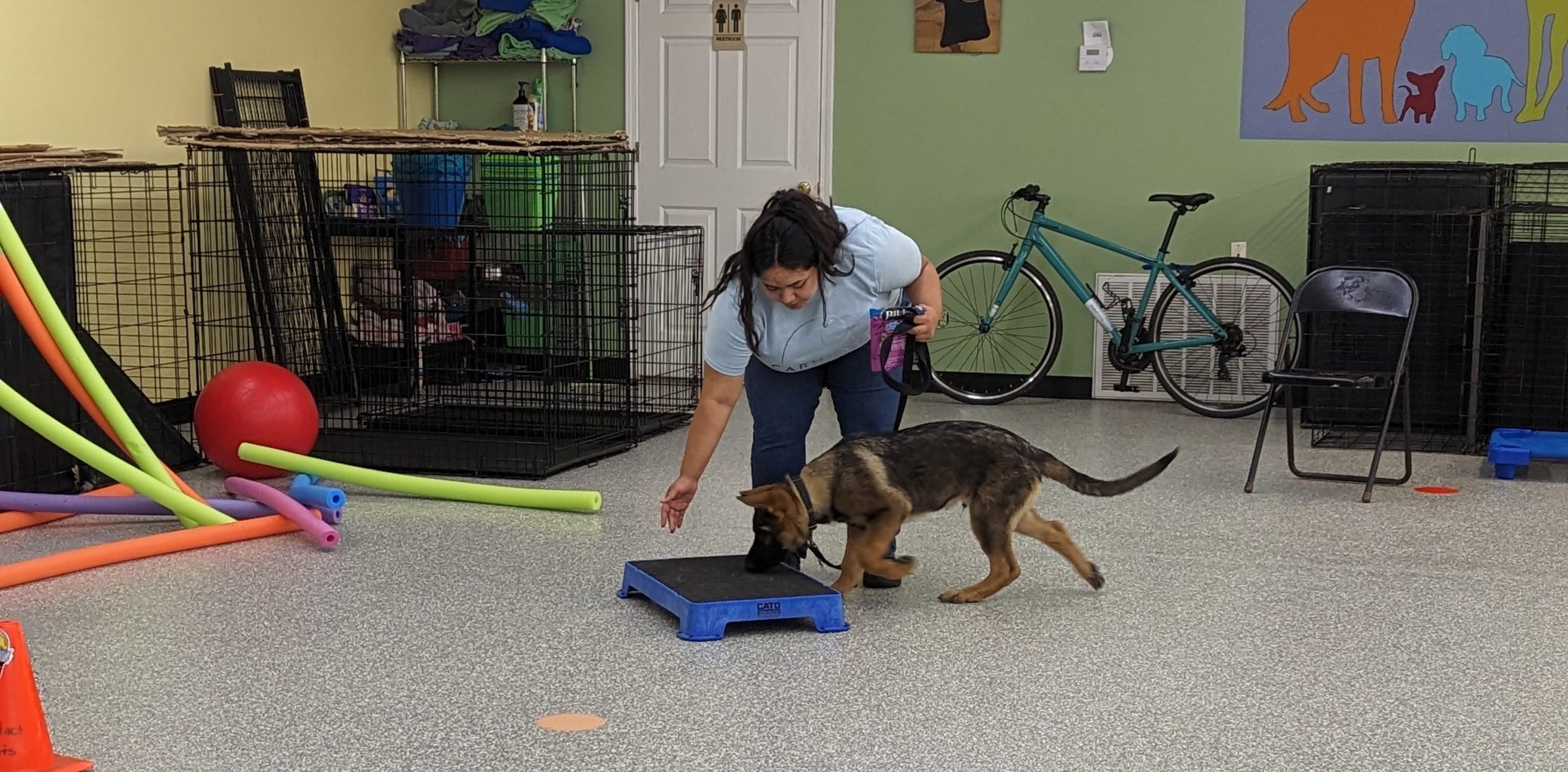
- Puppy Classes: Many professional dog training centers offer “puppy kindergartens.” These classes require proof of vaccination for all participants, significantly lowering the risk of disease transmission while allowing for vital peer interaction.
- The “Stroller” Method: You can take your puppy on walks using a dog stroller or by carrying them. This allows them to see, hear, and smell the environment without their paws touching potentially contaminated ground. Just be sure to avoid nose-to-nose contact with strange dogs.
Best Practices for Puppy Protection
Maintaining a high standard of hygiene and caution is the best way to ensure your puppy reaches their “graduation” day healthy. Keep these tips in mind:
- Carry them at the Vet: Even though clinics are cleaned, sick dogs pass through daily. Carry your pup from the car to the exam room.
- Avoid Feces: Never let your puppy sniff or lick animal waste, which is a primary carrier for parasites and viruses.
- Notify Neighbors: Let neighbors know your pup is still finishing their shots so they can help keep unvaccinated or sick dogs away from your fence line.
Conclusion
The journey of dog training and socialization begins the moment you bring your puppy home, but patience is key when it comes to the great outdoors. By waiting until two weeks after their final vaccinations—typically around 18 to 22 weeks of age—you provide your pet with the strongest possible immune shield. Focus on private play dates and backyard training in the meantime, and you will set the foundation for a happy, healthy life together.
References:
- American Veterinary Medical Association (AVMA) – Puppy Vaccination Guidelines
- American Kennel Club (AKC) – Socializing Your Puppy Safely
- PetMD – Common Puppy Illnesses and Prevention