
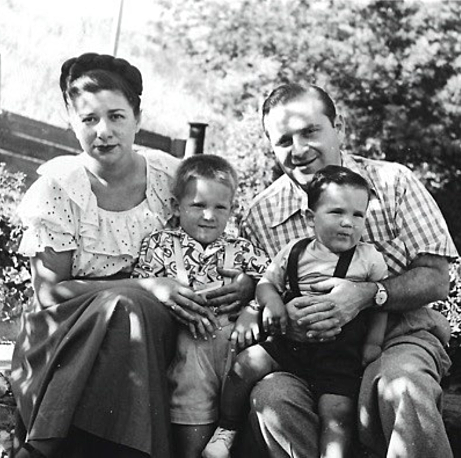
Frank Sinatra, a name synonymous with iconic music, shared a deep and enduring connection with the Slatkin family, a lineage of celebrated classical musicians. This relationship, spanning decades, offers a unique window into the vibrant recording scene of mid-20th century Hollywood and the evolution of popular music. Sinatra’s move to Capitol Records in 1952 marked a pivotal moment in his career, ushering in an era of artistic reinvention and remarkable musical collaborations, heavily influenced by his friendships with Felix Slatkin, a renowned concertmaster, and his wife, Eleanor Aller, a principal cellist.
The Hollywood String Quartet and Capitol Records
Felix Slatkin and Eleanor Aller were not just accomplished musicians; they were integral to the fabric of Hollywood’s musical landscape. Felix served as the concertmaster for the orchestra at Twentieth Century Fox, while Eleanor held the principal cellist position at Warner Brothers, breaking barriers as the first female to lead a studio orchestra chair. By 1947, they formed the Hollywood String Quartet alongside violinist Paul Shure and violist Paul Robyn. Their decision to incorporate “Hollywood” into their name signified their commitment to establishing studio musicianship as an art form equal to classical concert performance. This quartet became a cornerstone of Sinatra’s recordings with Capitol Records, lending their virtuosity to albums that would define his Capitol years.
Sinatra’s curiosity extended beyond his own genre; he demonstrated an interest in classical music, even conducting an album of Alec Wilder’s compositions. This suggests a fundamental understanding of music notation, dispelling notions of musical illiteracy. His permanent move to Hollywood in 1952, following a dispute with Columbia Records, led him to Capitol, a label known for its esteemed roster and promise of artistic freedom. This transition required Sinatra to reinvent himself, moving from a “bow tie and bobbysoxers” image to a more sophisticated, jazz-inflected vocalist appealing to a discerning audience. Working with the finest producers, engineers, arrangers, and musicians at Capitol, including the burgeoning West Coast jazz scene, proved to be a defining career move.
The collaboration between Sinatra and arranger Nelson Riddle, a “dream match,” was facilitated by the Slatkins’ insights. As members of the highly acclaimed Hollywood String Quartet, Felix and Eleanor were sought after for Sinatra’s recording projects. Their home became a hub for rehearsals, where a young Leonard Slatkin, the author, recalls “Uncle Frank” singing him lullabies. This intimate glimpse into Sinatra’s personal life highlights the deep friendship that underpinned their professional synergy.
Reinvention and Artistic Growth
Sinatra’s early albums for Capitol, such as Songs for Young Lovers and Swing Easy, featured the Hollywood String Quartet alongside wind instruments, showcasing a more intimate sound. These recordings marked the beginning of a period where the Slatkin family became frequent visitors to Sinatra’s homes, both in Hollywood and on the road. Sinatra’s hospitality was legendary, as recounted by Eleanor when Sinatra gifted her a painting she admired.
The Slatkins accompanied Sinatra on visits to Palm Springs and Las Vegas, experiencing his life beyond the recording studio. In Las Vegas, they stayed at the Desert Inn, a prominent entertainment center, where Sinatra had debuted in 1951. These experiences, though seemingly outside the musical realm, underscored the close bond between the families.
The recording facilities at Capitol also evolved, with the company moving to KHJ’s studios on Melrose Avenue. The acoustical properties of this location were consulted upon by Sinatra and the Slatkins, contributing to the excellent sound quality of the early 1950s recordings. A notable anecdote involves Eleanor’s candid critique of a playback, famously stating, “It sounded like shit!” This exemplifies the direct and honest professional relationship that fostered artistic excellence.
The construction of the iconic Capitol Tower at Hollywood and Vine in 1954 provided a state-of-the-art facility, though its acoustics presented initial challenges that were later rectified. It was within these new studios that Sinatra recorded Close to You, an album conceived from his friendship with the Slatkins. Despite initial reservations from Sinatra about featuring the string quartet exclusively, Felix Slatkin’s persuasion led to the inclusion of woodwinds and harp, adding variety to the arrangements. While Close to You may not have achieved the commercial success of Sinatra’s more upbeat recordings at the time, it has since gained cult status and is considered a testament to the peak of Sinatra and Riddle’s collaboration.
Sinatra’s Vocal Prowess and Evolving Career
Sinatra’s enduring vocal talent is attributed to his impeccable intonation, profound understanding of lyrical meaning, and a unique rhythmic sensibility. He possessed an extraordinary ability to manipulate time in his singing, creating a sense of suspended motion, particularly in ballads. This mastery of his craft is evident across his career, from his early Capitol recordings to his later works.
By 1957, the music industry was embracing stereo technology, and Capitol Records underwent changes with the acquisition of its classical division by EMI. Frank Sinatra began working with new arrangers, and while the Slatkin family remained close with the Sinatras, the Hollywood String Quartet faced a shift. EMI’s decision to prioritize the London-based Amadeus Quartet led to the disbandment of the Hollywood String Quartet, despite their critical acclaim, including a Grammy win in 1958 for their recording of Beethoven’s late quartets.
As the 1950s concluded, so did Sinatra’s tenure with Capitol Records. He established his own label, Reprise, collaborating with new artists and arrangers, including Count Basie, and continuing to work with Felix Slatkin on occasion. Felix was offered the musical directorship of Reprise but ultimately accepted a similar position at Liberty Records, seeking greater creative control and the opportunity to form his own orchestra. Sinatra understood and continued to rely on Felix’s talents when available, while Eleanor remained a constant presence on Sinatra’s sessions.
A Legacy of Music and Friendship
The profound connection between Frank Sinatra and the Slatkin family extended beyond professional collaboration into deep personal bonds. Sinatra was a prominent supporter of John F. Kennedy’s presidential campaign, organizing a pre-inaugural gala in 1961 where Felix and Eleanor served as concertmaster and first cellist, respectively. The tragic death of Felix Slatkin in 1963 deeply affected Sinatra, who delivered a eulogy at his memorial service. Sinatra’s insistence that Eleanor return to recording for The Concert Sinatra after Felix’s passing highlights the enduring respect and care he held for her.
Leonard Slatkin, inspired by his father’s legacy, embarked on his own conducting career, receiving an offer from Sinatra in 1968 to perform together, an opportunity that, sadly, never materialized. However, their connection endured through Eleanor, and even through Sinatra’s second wife, Ava Gardner, with whom Leonard developed a friendship.
The legacy of both families lives on through their extensive recordings, a testament to their unbreakable friendship and consummate musicianship. The music created by Frank Sinatra and the Hollywood String Quartet, nurtured by a profound personal connection, irrevocably shaped the lives of the Slatkin children and continues to resonate with audiences worldwide. Music was the catalyst for their union, and friendship was the force that sustained it.
References
- Slatkin, L. (n.d.). Frank Sinatra and the Slatkin Family: A Musical Bond Forged in Hollywood. leonardslatkin.com. Retrieved from [URL of the original article]