
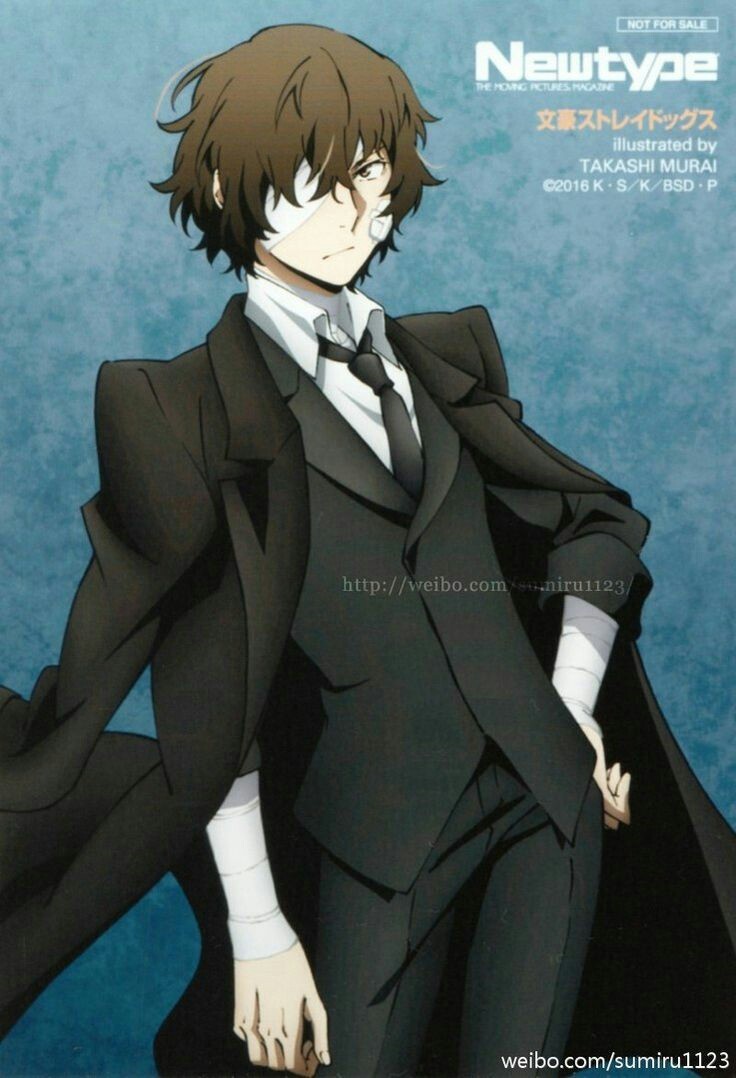
The Bungo Stray Dogs series, a captivating narrative born from the imagination of Kafka Asagiri and brought to life with Sango Harukawa’s distinctive art, continues to enthrall readers with its intricate plotlines and compelling characters. Volume 2, “Osamu Dazai and the Dark Era,” delves deep into the gritty underbelly of the Port Mafia, offering a chilling exploration of its power, internal struggles, and the moral complexities faced by its members. This installment, translated by Matt Rutsohn, is not merely a continuation of the saga; it’s a pivotal arc that sheds light on the formative, and often brutal, experiences that shape the formidable Osamu Dazai.
The story unfolds through the eyes of Sakunosuke Oda, a seemingly unassuming grunt within the Port Mafia, who finds himself increasingly drawn into the orbit of the enigmatic executive, Osamu Dazai, and the organization’s shrewd informant, Ango Sakaguchi. Their late-night rendezvous at a dimly lit pub, lubricated by alcohol and philosophical musings, serve as the initial backdrop for the unfolding drama. It’s within these hushed conversations, amidst the clinking of glasses and the haze of tobacco smoke, that the true nature of their world—one governed by violence, strategic maneuvering, and the constant threat of betrayal—begins to surface.
The Labyrinthine World of the Port Mafia
The Port Mafia operates under a strict set of rules, emphasizing unwavering obedience to the boss, loyalty to the organization, and a retaliatory imperative to strike back twice as hard. Oda’s own life, characterized by his unique inability to kill, positions him as an unusual operative, often relegated to the most mundane and “troublesome” tasks. This narrative perspective provides a grounded view of the Mafia’s operations, contrasting with the overt power and often disturbing methods of its more prominent figures.
The narrative masterfully weaves together seemingly disparate events, from Dazai’s bizarre and often self-inflicted injuries to a botched sting operation that highlights his peculiar brand of effectiveness. Dazai, despite his youthful appearance, is a chillingly competent executive, responsible for a significant portion of the Port Mafia’s profits over the past two years, a testament to his dark and bloody achievements. His presence is a constant source of both intrigue and unease, hinting at a depth of capability and ruthlessness that belies his sometimes-childish demeanor.
A Mysterious Disappearance and a Dangerous Mission
The plot thickens significantly when the Port Mafia boss summons Oda, not for a tribunal, but for a critical mission: to find the missing intelligence officer, Ango Sakaguchi. Ango’s disappearance is no mere absence; it’s a grave concern for the organization, as his knowledge encompasses sensitive information regarding secret accounts, corrupt officials, and illicit dealings. The potential for this information to fall into the wrong hands poses an existential threat to the Mafia. Oda, despite his low rank, is chosen for this task due to his perceived lack of ulterior motives and his unique ability to navigate peculiar situations.
Armed with a “Silver Oracle,” a document granting him authority akin to the boss himself, Oda embarks on a perilous investigation. His search leads him to Ango’s meticulously clean and sterile apartment, a space that reveals little about the informant’s true nature. However, Oda’s keen intuition, honed by his unconventional role within the Mafia, uncovers a hidden safe. The contents of this safe—an old-fashioned gray gun, identified by Dazai as an emblem of the European criminal organization “Mimic”—raise more questions than answers, linking Ango’s disappearance to a dangerous international conflict.
The Emergence of Mimic and the Shadow of Violence
The discovery of the gun and the subsequent confrontation with Mimic operatives in a narrow alleyway underscore the escalating danger. Oda finds himself facing skilled assassins, including a sniper and a knife-wielding assailant, highlighting the brutal reality of the criminal underworld. It is during this violent encounter that Dazai intervenes, his swift and decisive actions, though effective, clash with Oda’s inherent pacifism. Dazai’s pragmatism in eliminating the threat, even if it meant compromising Oda’s principles, reveals the stark differences in their approaches to violence and survival within the Mafia.
The revelation that the attackers were members of “Mimic,” a European criminal organization, adds another layer of complexity to the narrative. Their motive appears to be the retrieval of the safe and its contents, suggesting a deeper connection between Ango, Mimic, and the Port Mafia’s internal affairs. The incident serves as a grim foreshadowing of the larger conflicts and betrayals that lie ahead.
“Osamu Dazai and the Dark Era” is a compelling volume that not only deepens the lore of Bungo Stray Dogs but also provides crucial insights into the formation of its central characters. The narrative’s blend of gritty realism, psychological depth, and suspenseful action makes it an essential read for fans of the series. The exploration of loyalty, morality, and the corrosive nature of power within the Port Mafia sets the stage for future revelations and further solidifies the series’ reputation for intricate storytelling.