
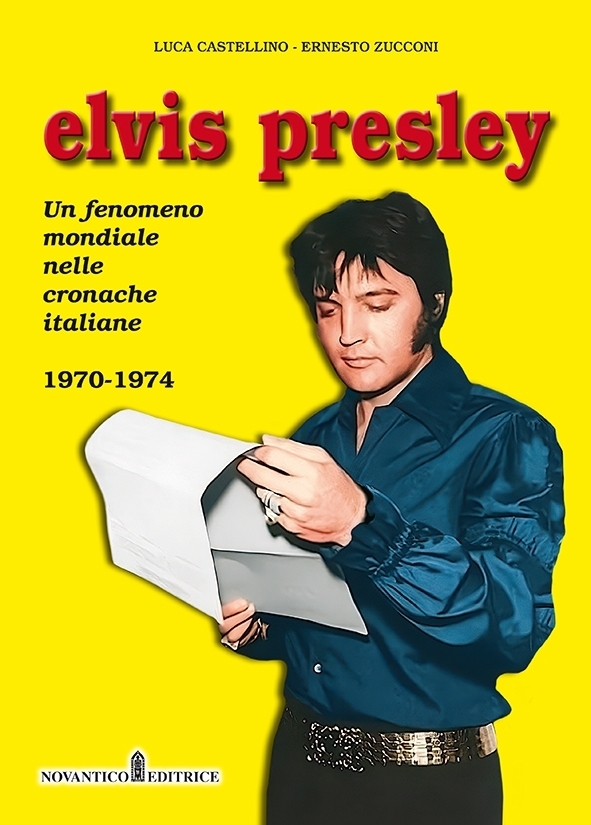
“Spanish Eyes,” a poignant ballad that resonated with audiences, holds a special place in the discography of Elvis Presley. Though often overshadowed by his earlier rock and roll anthems, this 1973 recording showcases a mature and emotionally resonant Elvis, offering a glimpse into his later artistic period. This exploration delves into the recording, release, and cultural context of “Spanish Eyes,” aiming to provide a comprehensive understanding for fans and music enthusiasts alike.
The Recording and Release of “Spanish Eyes”
Elvis Presley recorded “Spanish Eyes” on December 16, 1973, at the renowned Stax Studio in Memphis, Tennessee. This session was part of a prolific period for Presley, who was actively recording new material and revisiting older songs. The song was officially released as part of the album Good Times, which came out shortly after the recording sessions. While the album itself received mixed reviews, “Spanish Eyes” stood out for its tender melody and Elvis’s heartfelt delivery.
Recording Sessions and Context
The Stax Studio sessions of 1973 were significant for Elvis. Following his divorce from Priscilla Beaulieu in October of that year, Elvis continued to channel his emotions into his music. The sessions from July through December produced a substantial amount of material, including songs that would form the Raised on Rock and Promised Land albums, alongside other notable tracks. “Spanish Eyes,” with its themes of longing and eventual reunion, seemed to capture a specific mood prevalent during this period of his life. The recording on December 16th was one of the final sessions at Stax for 1973, marking the end of a productive year.
Album Placement and Reception
Good Times, the album featuring “Spanish Eyes,” was released in 1974. While it contained a mix of original songs and covers, the album’s reception was somewhat muted compared to Elvis’s earlier successes. However, “Spanish Eyes” itself became a favored track for many fans, appreciated for its lyrical depth and Elvis’s characteristic vocal performance. The song has since been included in numerous compilation albums, testament to its enduring appeal.
Cultural Significance and Thematic Exploration
“Spanish Eyes” is more than just a song; it’s a narrative that touches upon universal themes of love, separation, and the hope of return. The lyrics paint a vivid picture of a lover leaving, promising to return, and imploring their beloved to wait. The “Spanish eyes” of the title evoke a sense of exoticism and passion, adding to the song’s romantic allure.
Lyrical Themes and Emotional Resonance
The song’s core message revolves around a promise of return and the enduring power of love across distance. The plea, “Please please don’t cry, this is just adios and not good-bye,” sets a melancholic yet hopeful tone. The assurance, “Soon I’ll return, bringing you all the love your heart can hold,” speaks to a deep commitment. The recurring request, “Say you and your Spanish eyes will wait for me,” underscores the importance of faith and patience in a relationship. Elvis’s delivery imbues these lyrics with a sincerity that resonated deeply with listeners, particularly in the context of his own personal life changes during 1973.
Elvis’s Later Career and Artistic Evolution
By 1973, Elvis Presley was firmly established as a global icon, but his musical journey was evolving. While he never abandoned his rock and roll roots, he increasingly explored ballads and country-influenced tracks. “Spanish Eyes” exemplifies this artistic expansion. It showcased his ability to convey tenderness and vulnerability, demonstrating a vocal range and emotional depth that continued to captivate audiences. The recording of this song at Stax, alongside other tracks that would appear on albums like Raised on Rock and Promised Land, highlights his continued dedication to his craft in his later career.
Legacy and Enduring Appeal
Though recorded in the latter part of his career, “Spanish Eyes” remains a cherished song among Elvis Presley’s extensive catalog. Its melodic beauty and heartfelt lyrics continue to connect with new generations of listeners. The song’s inclusion in various FTD (Follow That Dream) collector’s releases, such as Made In Memphis, further solidifies its place in the Elvis legacy, offering fans insights into the recording process and alternate versions.
“Spanish Eyes” in Compilations and Collector’s Editions
The song’s consistent presence on compilations and special editions underscores its significance. For instance, the FTD CD Made In Memphis features “Spanish Eyes” alongside other informal recordings from Elvis’s studio sessions. These releases provide fans with a deeper appreciation for the context and artistry behind each track. The inclusion of this song in such collections ensures that its narrative of love and hopeful reunion continues to be heard and appreciated.
The Enduring Power of Elvis’s Ballads
While Elvis is often celebrated for his electrifying stage presence and rock and roll hits, his ballads hold a unique and powerful appeal. “Spanish Eyes” is a prime example of his ability to deliver a song with profound emotional weight. It demonstrates that even late in his career, Elvis could still command attention with a simple yet powerful melody and a voice filled with genuine feeling. This enduring quality ensures that “Spanish Eyes” remains a treasured piece of his musical heritage.
In conclusion, “Spanish Eyes” represents a significant moment in Elvis Presley’s later career, showcasing his continued artistic growth and emotional depth. Recorded at the iconic Stax Studio and released on the Good Times album, the song’s themes of enduring love and hopeful return continue to resonate with listeners, cementing its place as a beloved ballad in the King of Rock and Roll’s timeless repertoire.