
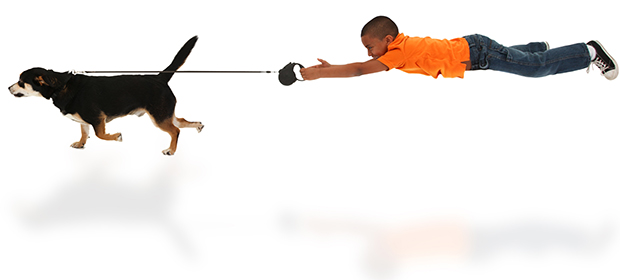
Leash pulling is a common challenge many dog owners face, turning walks into a tug-of-war. This frustration can be overcome with consistent training and the right approach. This guide will walk you through effective methods and tools to help your canine companion learn to walk politely by your side.
Understanding Loose Leash Walking
The goal of loose leash walking is for your dog to walk beside you without pulling, maintaining a relaxed leash. This not only makes walks more enjoyable but also strengthens the bond between you and your dog. Incorporating techniques like “crazy walking,” where you change directions unpredictably, can help your dog focus more on you. Rewarding your dog for being in the correct position or for walking with a loose leash, using praise, petting, or treats, reinforces desired behavior.
What NOT to Do When Your Dog Pulls
It’s crucial to avoid methods that can cause harm or worsen the pulling behavior. Refrain from using leash corrections, such as jerking or popping the leash, and avoid punitive collars like pinch, prong, or choke chains. These tools can inflict physical pain, damage your dog’s behavior, and make walks a negative experience. A happy walk should be enjoyable for both you and your dog, not a source of fear or discomfort.
Helpful Tools for Leash Pulling Training
When training methods alone aren’t enough, especially with strong or large dogs, certain tools can provide the necessary support.
Head Halter
Similar to a halter used for horses, a head halter has straps around the dog’s nose and behind the ears, with the leash attaching to a ring under the chin. This works on the principle that a dog will follow where its head leads. Head halters allow dogs to eat, drink, and pant freely without causing choking or pinching. Popular brands include Halti and Gentle Leader.
Training Harness
While a typical harness clips at the back, a training harness, also known as a no-pull dog harness, features a leash attachment at the front of the dog’s chest. This design provides better control by turning the dog’s shoulders and halting forward momentum when they pull. Examples include PetSafe’s Easy Walk, Halti, SENSE-ation, and Freedom.
Choosing the Right Tool for Your Dog
The best tool depends on your dog’s size, strength, and individual needs. Head halters are often ideal for larger, stronger dogs due to the leash attachment point on the nose loop, offering gentle directional guidance. For smaller dogs, those with neck injuries, or dogs with short muzzles, a front-clip harness might be a more suitable option.
Proper Fitting and Introduction
Regardless of the tool chosen, proper fitting is essential. For head halters, the neck strap should sit high on the neck, just behind the ears. The nose strap should be adjusted so it doesn’t slip off, and the leash attachment ring should be under the chin. Always follow the manufacturer’s instructions for both halters and harnesses.
Introducing a head halter can be a new experience for dogs. Expect them to initially try to remove it. To help them adjust, keep them moving by walking and offering praise and small treats to distract them. With consistency, they will become accustomed to it, leading to more pleasant walks.
Important Considerations When Using Tools
When using a head halter, avoid jerking the leash, as this can cause neck injuries. It’s also vital never to leave a head halter or harness on your dog unsupervised, as they could get caught on something or chew through the equipment.
Conclusion
Patience and persistence are key when training your dog to walk on a loose leash. With consistent practice and the right approach, your dog will improve, making walks a more enjoyable experience for both of you. Remember that every dog learns at their own pace, and celebrating small victories will keep both you and your dog motivated. If you’re struggling, consider consulting a professional trainer for personalized guidance.