
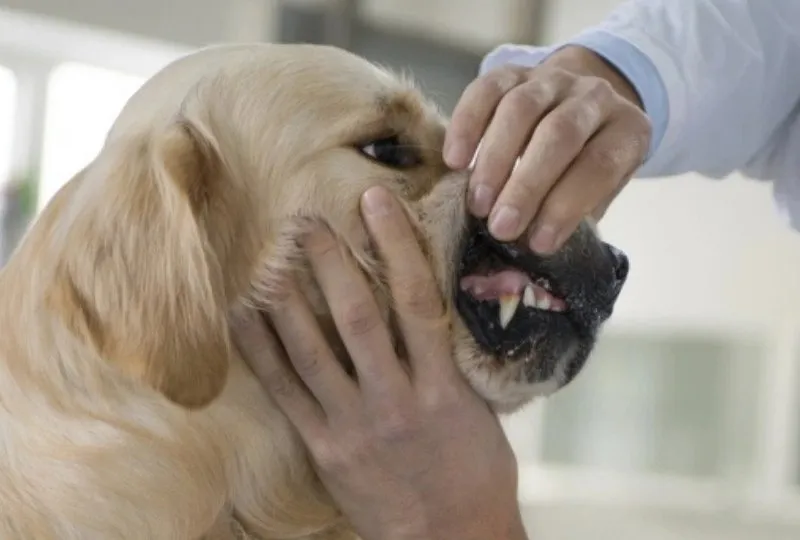
Dental health is often overlooked when it comes to pet care, yet it plays a crucial role in your furry companion’s overall well-being. Just like humans, dogs and cats are susceptible to plaque buildup, tartar accumulation, and gum disease — all of which can progress into serious systemic health issues if left untreated. The foundation of good pet dental hygiene starts with one simple tool: the right toothpaste. Choosing the best toothpaste for dogs and cats means selecting a product that is not only effective at cleaning teeth but also completely safe for your pet to swallow.
In this comprehensive guide, we’ll walk you through why pet-specific toothpaste matters, highlight the top-recommended products trusted by veterinary professionals, and share practical brushing tips to make the experience easier for both you and your pet.
Why Pet-Safe Toothpaste Is Non-Negotiable
The Hidden Dangers of Human Toothpaste
Many pet owners assume that human toothpaste is safe for animals, but this is a dangerous misconception. Human toothpaste typically contains two ingredients that are highly toxic to dogs and cats: fluoride and xylitol. Fluoride, even in small amounts, can cause gastrointestinal distress and, in larger doses, can lead to organ failure in pets. Xylitol — an artificial sweetener found in many “whitening” or “natural” toothpastes — is particularly dangerous for dogs, capable of triggering rapid insulin release and severe hypoglycemia.
Pet-safe toothpastes are specially formulated without these harmful compounds. They are designed to be fully safe if ingested and come in flavors that appeal to animals, such as poultry, beef, seafood, or vanilla — making the brushing experience far less of a battle.
The Real Benefits of Brushing Your Pet’s Teeth
Consistent tooth brushing offers a wide range of health benefits for your pet:
- Reduces plaque and tartar buildup on the tooth surface
- Helps prevent chronic bad breath (halitosis)
- Lowers the risk of gingivitis, gum disease, and eventual tooth loss
- Minimizes oral bacteria that can enter the bloodstream and negatively impact the heart, kidneys, and liver
Veterinary research supports that oral bacteria in pets can contribute to cardiovascular and renal disease over time. Preventing dental disease through regular brushing is one of the most impactful things a pet owner can do to extend their animal’s quality of life.
Top-Recommended Toothpastes for Dogs and Cats
1. Virbac C.E.T. Enzymatic Pet Toothpaste
Best for: Dogs and cats
Flavor options: Poultry or vanilla mint
Key benefits: Clinically proven enzymatic formula that actively breaks down plaque-forming bacteria; completely safe if swallowed.
Virbac C.E.T. is consistently ranked among the most trusted dental care products in the veterinary community. Its dual-enzyme system works by producing hydrogen peroxide in the presence of oral bacteria, creating a natural antibacterial action. For pet owners just starting a dental hygiene routine, this is often the first product recommended by veterinarians.
2. Sentry Petrodex Enzymatic Dog Toothpaste
Best for: Dogs
Flavor options: Poultry
Key benefits: Enzymatic formula that targets plaque and gingivitis; veterinarian-recommended and widely available.
Petrodex has been a staple in veterinary practices for years. Its affordability combined with proven efficacy makes it an excellent choice for dog owners looking for a reliable daily-use toothpaste. The poultry flavor is well-accepted by most dogs, making brushing sessions considerably easier.
3. Vet’s Best Enzymatic Dog Toothpaste
Best for: Dogs, especially those with sensitivities
Flavor options: Natural poultry
Key benefits: Formulated with natural ingredients including aloe vera, neem oil, and plant-based enzymes to gently clean and freshen breath.
For pet owners who prefer a more natural approach to dental care, Vet’s Best offers a compelling option. The inclusion of aloe vera soothes sensitive gum tissue, while neem oil provides natural antibacterial properties. This formula is free of artificial preservatives and harsh chemicals, making it ideal for dogs with sensitive stomachs or ingredient sensitivities.
4. Petsmile Professional Dog Toothpaste
Best for: Dogs requiring professional-grade care
Flavor options: Poultry
Key benefits: The only dog toothpaste approved by the American Veterinary Dental College (AVDC); fluoride-free, highly effective at reducing plaque and tartar.
Petsmile stands out due to its prestigious AVDC approval — a distinction that speaks to its rigorous testing and proven results. The active ingredient, Calprox, is a proprietary compound that dissolves the protein pellicle on teeth, preventing bacteria from adhering to the tooth surface. This is particularly beneficial for dogs that are prone to rapid tartar buildup.
5. Vet’s Best Enzymatic Cat Toothpaste
Best for: Cats
Flavor options: Seafood or poultry
Key benefits: Gentle, effective formulation designed specifically for the sensitive nature of cats; reduces tartar and freshens breath without irritating the gums.
Cats are notoriously resistant to brushing, which is why having a cat-specific toothpaste is so important. Vet’s Best Cat Toothpaste uses a milder enzymatic formula that accounts for feline oral anatomy and sensitivity. The seafood flavor option is especially effective at encouraging cats to accept the toothbrush with less resistance.
Practical Tips for Brushing Your Pet’s Teeth
Introducing a brushing routine requires patience, especially with adult pets that are not accustomed to the process. Following a step-by-step approach significantly improves your chances of long-term success.
- Start with taste alone — Before introducing a toothbrush, let your pet lick a small amount of toothpaste from your finger. This builds familiarity and positive associations with the flavor.
- Transition to a finger brush — Finger brushes are less intimidating than full-sized toothbrushes and give you better tactile control, making early brushing sessions much smoother.
- Upgrade to a soft-bristled toothbrush — Once your pet is comfortable, a soft-bristled pet toothbrush allows for more thorough cleaning along the gum line.
- Use the correct technique — Hold the brush at a 45-degree angle to the gum line and use gentle circular motions. Focus on the outer surfaces of the teeth where plaque tends to accumulate most.
- Keep sessions brief — Two to three minutes per session is sufficient. Daily consistency will always outperform infrequent, lengthy sessions.
- Always reward your pet — End every brushing session with praise, a treat, or playtime. Positive reinforcement trains your pet to associate brushing with something enjoyable.
Frequently Asked Questions About Pet Dental Care
Can I use baking soda instead of toothpaste for my pet?
No. While baking soda is not toxic, it is not designed for pet use and can disrupt the natural pH balance in your pet’s mouth. Always use a formulated pet toothpaste.
How often should I brush my pet’s teeth?
Daily brushing is the gold standard recommended by veterinary dentists. If daily brushing is not feasible, aim for a minimum of 2–3 times per week to meaningfully reduce plaque accumulation.
Are dental chews a substitute for brushing?
Dental chews and water additives provide supplementary oral care benefits, but they cannot replace the mechanical plaque removal achieved through brushing. Think of them as a complement, not a replacement.
What if my pet refuses to let me brush their teeth?
Gradual desensitization is key. Start by simply touching around your pet’s muzzle and lips daily. Progress slowly over several weeks. In cases of severe resistance, consult your veterinarian — professional dental cleanings under anesthesia may be necessary to restore oral health before a home routine can be established.
How do I know when my pet needs a professional dental cleaning?
Signs include persistent bad breath, visible yellow or brown tartar on the teeth, swollen or bleeding gums, pawing at the mouth, or difficulty eating. Most veterinarians recommend annual dental examinations, with professional cleanings scheduled based on individual need.
Can dental disease affect my pet’s internal organs?
Yes. Chronic dental disease allows harmful bacteria to enter the bloodstream, where they can colonize heart valves (leading to endocarditis), damage kidney tissue, and contribute to liver inflammation. This is why oral hygiene is considered a component of preventive healthcare, not merely cosmetic care.
Conclusion
Investing in the right toothpaste and establishing a consistent brushing routine is one of the most effective ways to protect your pet’s dental — and overall — health. Products like Virbac C.E.T., Petsmile Professional, and Vet’s Best offer veterinarian-backed solutions suitable for both dogs and cats of all sizes and temperaments. The earlier you begin, the more cooperative your pet will become over time.
If you are unsure which product is best suited for your pet or need hands-on guidance establishing a dental care routine, speak with your veterinarian. Regular professional dental checkups, combined with at-home brushing, give your dog or cat the best possible foundation for a long, healthy life.
References:
- American Veterinary Dental College (AVDC) — www.avdc.org
- Virbac Animal Health — Product information on C.E.T. Enzymatic Toothpaste
- Dwight Veterinary Clinic — Pet Dental Services, Dwight, IL