
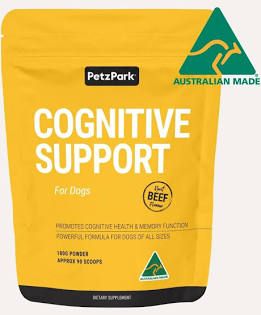
As our beloved canine companions live longer lives, age-related health issues are becoming a more prominent concern for pet owners. One of the most significant challenges is Canine Cognitive Dysfunction (CCD), often referred to as “dog dementia” due to its striking similarities to Alzheimer’s disease in humans.
Recent research highlights a growing interest in dietary interventions to manage this condition. While many owners are hesitant to change their pet’s core diet, a significant number are turning to dietary supplements (DSs) to help maintain their dog’s quality of life. Understanding the relationship between nutrition and brain health is essential for any owner of a senior dog.
Understanding Canine Cognitive Dysfunction (CCD)
CCD is a degenerative illness characterized by a decline in cognitive abilities. The prevalence of this condition is high, affecting anywhere from 14.2% to 68% of the geriatric dog population. Dogs suffering from CCD often exhibit behavioral changes that can be distressing for both the pet and the owner.
Common clinical signs of CCD include:
- Disorientation and confusion: Getting lost in familiar places or staring at walls.
- Altered activity levels: Restlessness or a decrease in playfulness.
- Changes in sleep-wake rhythms: Sleeping more during the day and wandering at night.
- Incontinence: Losing house-training skills.
Pathologically, CCD involves the accumulation of $beta$-amyloid plaques in the brain, which can lead to reduced blood flow, hypoxia, and chronic inflammation. Because the aging brain also struggles with glucose metabolism, it often lacks the energy required to function optimally.
The Power of Dietary Intervention
Currently, there is no cure for CCD, and pharmacological treatments like Selegiline or Propentofylline may not be effective for every dog. This has made dietary management a cornerstone of therapy, especially when initiated at an early stage.
The Shift to Supplements
A recent study involving 394 dog owners found that while only 8% of owners changed their dog’s base diet after noticing age-related behavioral changes, a significant 54% turned to dietary supplements. This suggests that owners prefer “adding to” rather than “replacing” their dog’s nutrition.
Key Supplements for Brain Health
The goal of supplementation in CCD is often to provide alternative energy sources for the brain or to combat oxidative stress.
- Fats and Oils (77% usage): The most popular choice among owners.
- Fish Oil (48%): Rich in Omega-3 fatty acids (DHA and EPA), which reduce inflammation and support brain structure.
- MCT Oil (Medium-Chain Triglycerides): These are converted by the liver into ketone bodies, providing an alternative fuel source for the glucose-starved aging brain.
- Vitamins (48% usage):
- Vitamin B Complex: Essential for normal neurological function. Deficiencies in B6, B12, and folate are known risk factors for cognitive decline.
- Antioxidants (Vitamins C and E): Help reduce oxidative damage caused by free radicals in the brain.
- Other Noteworthy Additions:
- S-adenosylmethionine (SAMe): Known to increase glutathione levels and reduce oxidative stress.
- Ginkgo Biloba: Used to improve blood flow and cognitive function.
- CBD Oil: Frequently used by owners to manage anxiety and restlessness associated with aging.
Owner Behavior and Veterinary Guidance
Interestingly, the study revealed that owners whose dogs were formally diagnosed with CCD by a veterinarian were much more likely to use supplements (71%) compared to the general senior dog population. This underscores the importance of a professional diagnosis in driving proactive care.
However, a gap remains in information sourcing. While 48% of owners consult their veterinarians, many still rely on the internet (31%) or other dog owners (18%) for advice. This is a critical point for pet owners to consider: many supplements can interact with medications or may not be appropriate for dogs with multi-morbidities (such as kidney or heart disease).
Potential Side Effects
While DSs are often perceived as “natural,” they are not without risks. About 40% of owners reported observing side effects, including:
- Fatigue (21%)
- Increased water intake (20%)
- Increased urine production (17%)
- Diarrhea (14%)
Conclusion
Managing a dog with Canine Cognitive Dysfunction requires a multi-faceted approach. While changing a base diet remains an unpopular choice for many, the strategic use of supplements like fish oil, MCTs, and B vitamins offers a promising way to support brain health and slow degeneration.
The key to successful management is early intervention and close collaboration with a veterinary professional. By opting for evidence-based supplements and monitoring for side effects, you can help your senior dog navigate their golden years with greater clarity and comfort.
References:
- Fast, R.; Schütt, T.; Toft, N.; Møller, A.; Berendt, M. An observational study with long-term follow-up of canine cognitive dysfunction: Clinical characteristics, survival, and risk factors. J. Vet. Intern. Med. 2013.
- Pan, Y.; Landsberg, G.; Mougeot, I.; Kelly, S.; Xu, H.; Roudebush, P.; Milgram, N.W. Efficacy of a therapeutic diet on cognitive function in aging dogs. Br. J. Nutr. 2010.
- Berk, B.A.; Law, T.H.; Packer, R.M.A.; Wessmann, A.; Bathen-Antantharajah, A.; Volk, H.A. Owner-reported dietary supplements used in community-dwelling dogs with epilepsy. Vet. Rec. 2018.