
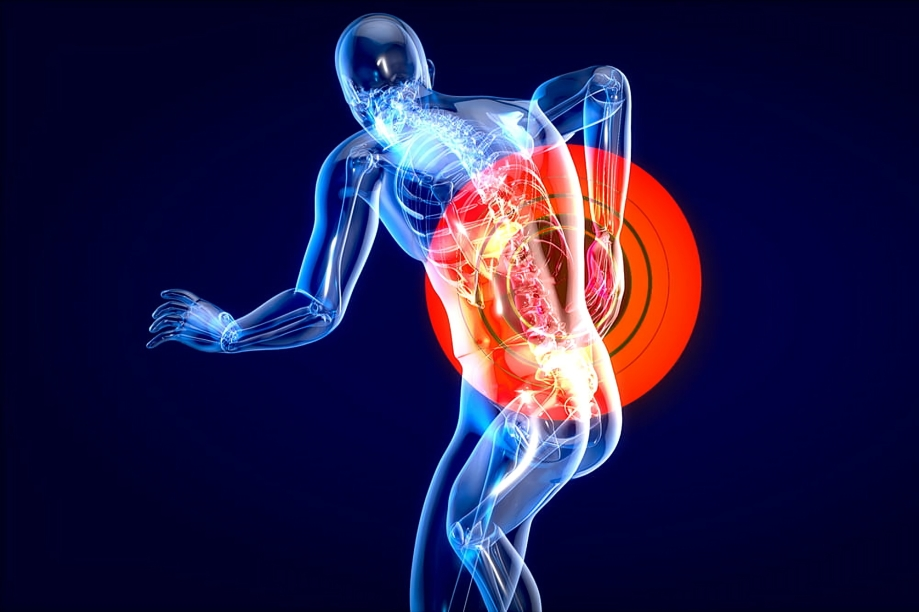
Controlling cancer pain is a crucial aspect of any cancer treatment plan for pets. Pain management should be initiated as soon as a diagnosis is made to address existing pain and proactively prevent its onset. Even in the absence of obvious clinical signs, it’s essential to assume that tumors can cause subclinical pain, making pain management a vital component of the therapeutic strategy. This is particularly important in veterinary medicine, as our animal patients cannot verbally communicate their level of discomfort.
Understanding the Types of Cancer Pain
Tumors can develop anywhere in the body, leading to various types of pain. Cancer pain can arise from two primary mechanisms: endogenous chemical irritation and direct tumor invasion that compresses normal tissues. Furthermore, cancer treatments themselves, such as surgery, radiation therapy, and chemotherapy, can also induce pain.
Approaches to Pain Management
The optimal approach to managing cancer pain in pets is tailored to the specific type of cancer and the owner’s treatment goals. Broadly, there are two main treatment pathways: definitive treatment, aiming for long-term cancer control and a pain-free survival, and palliative treatment, focused on relieving cancer pain and slowing disease progression. Both pathways may involve analgesic drugs, radiation therapy, surgery, chemotherapy, or a combination of these modalities.
Definitive Treatment Strategies
Definitive treatment aims for long-term remission and a good quality of life.
Surgical Intervention
Surgery is often employed to treat localized cancers, particularly when tumors can be removed with adequate margins. This includes removing soft tissue sarcomas or mast cell tumors, as well as radical procedures like limb amputation for extensive tumors. Pain management following surgery is similar to that for orthopedic or traumatic injuries, often involving opioids, NSAIDs, and regional anesthesia techniques like nerve blocks.
A case study involving an osteosarcoma in an 8-year-old golden retriever highlighted a comprehensive surgical pain management plan. Pre- and intraoperative pain control included transdermal fentanyl, acepromazine, epidural anesthesia with bupivacaine, and intraoperative constant-rate infusions (CRIs) of ketamine and lidocaine. Postoperatively, the dog received carprofen, tramadol for breakthrough pain, and gabapentin for potential neuropathic pain. This multimodal approach allowed for a comfortable recovery and facilitated subsequent chemotherapy.
Radiation Therapy
Definitive-intent radiation therapy is increasingly used for residual local cancer after surgery. It involves delivering a high total dose of radiation in small daily fractions over several weeks. Pain associated with radiation therapy can vary depending on the tumor’s location. Superficial tumors, like those on the skin or oral mucosa, tend to cause more painful acute side effects (e.g., skin desquamation, mucositis) than deep-seated tumors, such as brain tumors. These acute effects are typically transient and managed with pain medication, activity restriction, and prevention of self-trauma. Advanced techniques like Intensity-Modulated Radiation Therapy (IMRT) can significantly minimize side effects by precisely targeting the tumor and sparing surrounding healthy tissues.
Chemotherapy
While not always recognized as a cause of pain, chemotherapy can lead to discomfort through various mechanisms. Extravasation of certain chemotherapy drugs (e.g., doxorubicin, vincristine) can cause severe tissue necrosis and pain, potentially requiring surgical intervention. Preventive measures include careful IV catheter placement and vigilant monitoring. If extravasation occurs, immediate aspiration of the drug, tissue cooling, and supportive care with topical treatments, NSAIDs, and opioids are recommended.
Sterile hemorrhagic cystitis, a painful condition resulting from cyclophosphamide administration, can cause hematuria and urinary discomfort. Management focuses on supportive care with pain medication and preventive strategies such as co-administration of furosemide and encouraging frequent urination.
Hand-foot syndrome (HFS), characterized by erythema, swelling, and pain of the paws, is a documented chemotherapy side effect in humans and has been observed in dogs receiving specific formulations.
Palliative Care for Chronic Cancer Pain
When definitive treatment is not feasible due to advanced disease, comorbidities, or financial constraints, palliative care becomes the primary focus. The goal of palliative treatment is to maximize the pet’s quality of life by managing pain and suffering.
Palliative Surgery
In some cases, surgical intervention can provide palliation by alleviating pain caused by tumor obstruction or invasion. Surgical amputation, for instance, can bring significant relief. Continuous pain management with NSAIDs, opioids, gabapentin, and amantadine is crucial postoperatively and for ongoing palliation.
Palliative Radiation Therapy
Palliative radiation therapy aims to relieve pain and discomfort with fewer treatment sessions and a larger fraction size compared to definitive therapy. It is particularly beneficial for tumors invading bone or causing significant discomfort. This approach can lead to pain relief through reduced inflammation, decreased osteolysis, and tumor shrinkage.
Palliative Chemotherapy
Chemotherapy can be used palliatively to reduce tumor burden or slow growth, thereby improving quality of life. Non-cytotoxic drugs like bisphosphonates can help manage bone pain associated with osteosarcoma.
Emerging Pain Management Options
Recent advancements have introduced new medications for managing cancer pain in pets. Highly concentrated buprenorphine (e.g., Simbadol) and transdermal fentanyl liquid (e.g., Recuvyra) offer prolonged analgesia but require careful administration and supervision by a veterinarian due to their potency and potential for abuse. These medications can be invaluable when other options are insufficient.
In summary, managing cancer pain in pets requires a multimodal approach, considering the specific disease, treatment modalities, and the pet’s overall well-being. A thorough understanding of available treatments and pain management strategies is essential for veterinary practitioners to provide the best possible care for their patients.