
Choosing the right LED light color can dramatically improve your productivity, enhance relaxation, and elevate your entertainment experiences. LED technology offers a wide spectrum of color temperatures and hues, allowing you to craft the perfect ambiance for any activity. This guide delves into the optimal LED colors for studying, promoting restful sleep, and creating an immersive gaming environment, providing practical advice to help you achieve ideal lighting for every purpose.
Cool white lights (5000K-6500K) are highly effective for studying, boosting focus and alertness. For sleep, red and amber lights are recommended as they encourage melatonin production, aligning with natural circadian rhythms. Gaming is best enhanced with dynamic RGB colors like neon greens, blues, and purples, which create an engaging and immersive atmosphere.
The Impact of LED Color on Activities
The color of light directly influences our mood, alertness levels, and cognitive functions. Research indicates that cooler colors, such as blue and white, can improve focus and productivity, while warmer colors, like red and amber, encourage relaxation and support natural sleep patterns. Gaming, conversely, benefits from dynamic RGB lighting to amplify immersion. Let’s explore the specifics for each use case.
Optimal LED Lighting for Studying
For studying and enhancing concentration, cool white or blue-tinted lights within the 5000K to 6500K range are the preferred choice. These colors mimic natural daylight, which has been scientifically shown to improve attention span, concentration, and memory retention. This is why many educational institutions and workplaces utilize bright, cool lighting to boost performance.
How Cool White and Blue Light Influence Study Habits
Cool white and blue light are associated with increased alertness due to their effect on the body’s circadian rhythm. Exposure to these colors can suppress melatonin production, helping you stay awake and maintain higher energy levels. Blue light, in particular, is known to stimulate cognitive functions, making it an excellent option for study rooms, libraries, and general workspaces.
Practical Tips for Study Lighting:
- Adjustable Brightness: Opt for dimmable LED lights that allow you to adjust brightness according to the time of day. Brighter light is beneficial during the day, while slightly dimmer settings can help reduce eye strain in the evening.
- Strategic Task Lighting: Desk lamps equipped with cool white LEDs can provide focused illumination directly over your study materials, minimizing shadows and making reading easier.
- Manage Blue Light Exposure at Night: If you find yourself studying late, it’s advisable to limit your exposure to blue light to avoid disrupting your sleep cycles. Consider using white light in the lower 4000K-5000K range instead.
Best LED Light Colors for Promoting Sleep
When it comes to preparing for sleep, red and amber lights are the top recommendations. Unlike blue or white lights, which can interfere with the body’s melatonin production (a crucial hormone for sleep), red and amber lights have a calming effect, facilitating relaxation and readiness for restful sleep.
The Sleep Benefits of Red and Amber Light
Red and amber lights fall on the warmer end of the color spectrum, having a minimal impact on melatonin suppression. Studies suggest that these colors help signal the body to begin winding down, thereby supporting the natural circadian rhythm. This makes them particularly suitable for bedrooms, especially during evening hours.
Practical Tips for Sleep-Inducing Lighting:
- Transition to Red Light Before Bed: About an hour before you plan to sleep, switch your lighting to red or amber. This helps your body naturally transition into sleep mode.
- Utilize Dim Lighting: Dimming your lights in the evening signals your brain that it’s time to relax, contributing to better sleep quality.
- Install Motion-Sensing Night Lights: For necessary nighttime movement, red or amber motion-sensing lights can provide illumination without fully waking you, thus preserving your body’s restful state.
The Best LED Light Colors for Gaming
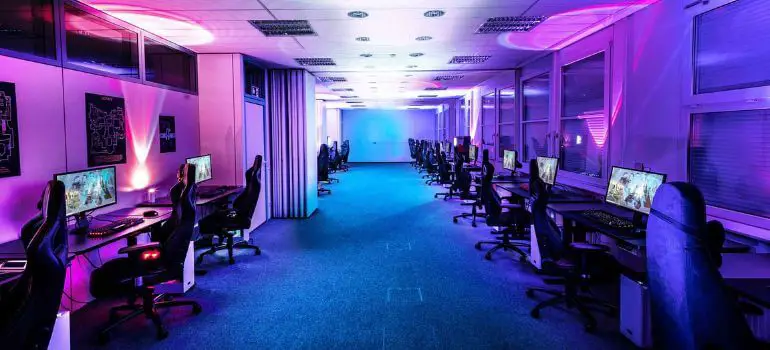
RGB lighting has become a staple in the gaming community, with neon blues, greens, purples, and pinks often leading the charge in creating exciting and visually stimulating environments. RGB lighting also offers extensive customization, allowing gamers to match lighting effects to different games and moods, thereby enhancing immersion and making gameplay more enjoyable.
Why RGB Colors Enhance the Gaming Experience
RGB colors empower gamers to experiment with a wide array of lighting effects. For instance, neon greens and blues can establish a futuristic, sci-fi ambiance, while reds and purples can inject intensity into the atmosphere. Furthermore, specific colors may influence player performance; blue, for example, can promote calm focus, whereas red might heighten adrenaline during action-packed gaming sessions.
Practical Tips for Gaming Lighting:
- Leverage Smart RGB Bulbs: With smart RGB bulbs, you can effortlessly adjust colors and brightness to curate the ideal gaming atmosphere.
- Synchronize Lights with Gameplay: Many advanced gaming setups offer the ability to sync lighting effects with in-game events, significantly deepening the sense of immersion.
- Experiment with Color Schemes: Consider using cool blue lighting for competitive games requiring intense focus, and opt for purple or pink hues for more relaxed gaming sessions to complement the mood.
A Comparative Look at Light Colors for Different Activities
| Activity | Ideal LED Colors | Suggested Temperature (Kelvin) | Effects on Mood and Performance |
|---|---|---|---|
| Studying | Cool White, Blue | 5000K-6500K | Boosts focus, concentration, and alertness |
| Sleeping | Red, Amber | 1800K-3000K | Promotes relaxation, supports melatonin production |
| Gaming | RGB (Blue, Green, Pink, Purple) | N/A (customizable) | Enhances immersion, matches game mood, can influence alertness |
Frequently Asked Questions About LED Colors for Study, Sleep, and Gaming
1. Is yellow light beneficial for studying?
Yellow light is generally not the optimal choice for studying, as it tends to promote relaxation rather than stimulation. However, for reading or more leisurely study sessions, a warm yellow or soft white light (2700K-3000K) might be suitable.
2. Can blue light negatively impact sleep?
Yes, exposure to blue light before bed can disrupt melatonin production and delay the onset of sleep. It is best to avoid blue light exposure for at least one hour prior to bedtime.
3. What color light is most suitable for reading in bed?
Amber or red lights are the best options for reading in bed. They are gentle on the eyes and do not interfere with sleep quality.
Selecting the Right LED Products for Your Requirements
When choosing LED lights for study, sleep, and gaming, consider smart lighting solutions that offer adjustable color temperatures and brightness levels. Many smart bulbs and LED strips can seamlessly switch between cool white for study, warm tones for relaxation, and customizable RGB options for gaming, all controllable via a smartphone app or remote.
Recommended Products:
- BenQ e-Reading Desk Lamp: Provides cool white light, perfect for focused study sessions.
- Philips Hue Smart Bulbs: Offers adjustable transitions between cool and warm light, along with full RGB capabilities for gaming.
- Twilight Red Light Sleep Lamp: Specifically designed for bedside use to encourage relaxation and improve sleep.
Setting Up Your Space for Optimal Lighting
Creating an effective lighting setup does not need to be complex. With a few strategically placed lights, you can optimize each area for its intended purpose.
- Study Area: Position cool white LED lights above or around your desk to ensure direct illumination.
- Bedroom: Utilize dimmable amber or red lights for your bedside table, or install smart bulbs that can transition from bright to warm tones in the evening.
- Gaming Room: Experiment with RGB LED strips placed along the edges of your desk or shelves to create an immersive, color-rich experience.
Conclusion
Utilizing LED lights in the appropriate colors for studying, sleeping, and gaming can significantly enhance each of these activities. Cool white lights are ideal for focus and alertness, red and amber lights promote relaxation and sleep, and RGB lighting adds excitement to gaming setups. By understanding the impact of LED colors on mood and performance, you can cultivate an environment that supports your goals and enriches your daily experiences. Consider your specific lighting needs for each activity the next time you’re setting up a space to maximize the benefits. With the right LED colors, you can craft the perfect atmosphere for productivity, relaxation, and enjoyment.