
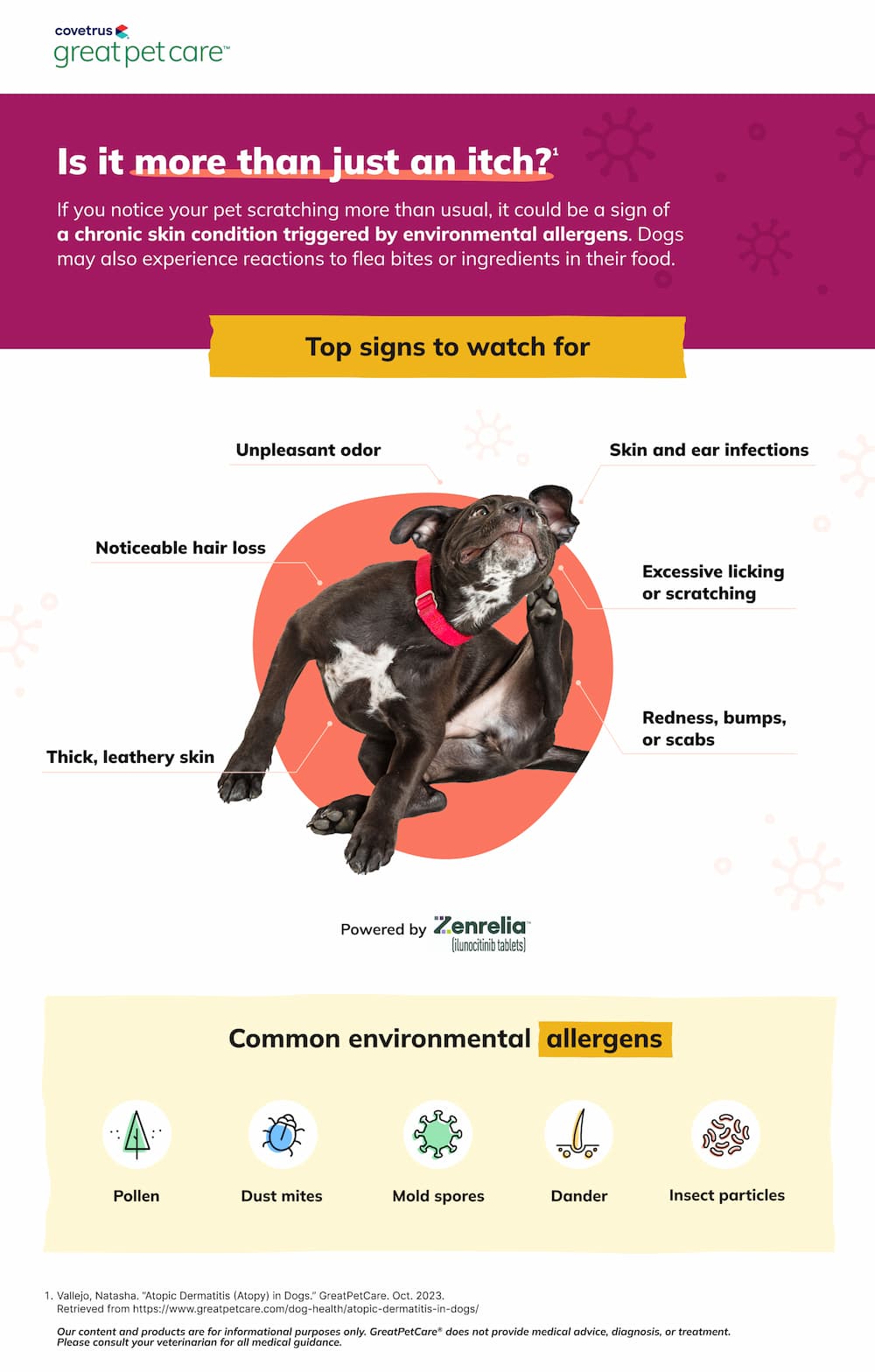
Dealing with a constantly itchy dog can be a distressing experience for both the pet and the owner. Allergies are a common cause of persistent itching in dogs, leading to a cycle of discomfort and potential secondary infections. This guide will delve into various treatment approaches, from dietary trials to specialized veterinary care, to help manage your dog’s itching and improve their quality of life.
Understanding the Itch: Allergies and Secondary Infections
When a dog begins to itch intensely, a self-perpetuating cycle of inflammation and scratching can be initiated. Even after the initial allergen is removed, the scratching itself can cause further inflammation, leading to more itching. To break this cycle, veterinary intervention is often necessary.
Dogs with allergies are prone to developing secondary skin infections, which can be bacterial or yeast-related. These infections must be treated for the itching to subside, even if the underlying allergen is identified and removed. Antibiotics, antifungals, and specialized shampoos are frequently prescribed for up to six weeks to combat these infections. If these secondary issues are left untreated, the itching will continue to plague your pet.
Diagnostic Approaches for Persistent Itching
If routine laboratory work, flea control, and dietary changes do not resolve the itching, further diagnostic steps may be required. For persistent skin lesions, your veterinarian might recommend a biopsy and culture. This procedure helps identify autoimmune diseases, resistant infections, or atypical presentations of common ailments. In some instances, a veterinarian may opt for biopsies even before initiating other treatments if they suspect an underlying abnormality.
Allergy Testing: Identifying the Culprit
Beyond food allergies, dogs can also be sensitive to environmental factors such as pollen, grasses, mites, and trees. Allergy testing can help pinpoint these external triggers. Two primary methods are available:
- Blood Test: This test measures antigen levels against common allergens and is relatively simple, often performed by general veterinarians.
- Intradermal Skin Testing: This more specialized test, typically conducted by veterinary dermatologists, involves injecting small amounts of allergens under the skin to observe the resulting reaction.
If specific allergens are identified through testing, treatment often involves hyposensitization injections, commonly known as allergy shots. These injections are usually administered for the remainder of the dog’s life but can be a costly and time-consuming commitment for some owners.
Advanced Treatment Options and Veterinary Specialists
For severe or persistent cases, more potent treatments may be considered.
Immunosuppressive Drugs and Supplements
Medications like cyclosporine can help dampen the immune response, making the animal less reactive to allergens. A newer medication, Apoquel, is designed to alleviate allergy symptoms and may have a more favorable side effect profile.
Certain supplements, such as fish oils and other fatty acids, can significantly benefit skin health. A variety of other nutritional supplements and herbal remedies are also available, but it is crucial to consult with your veterinarian before introducing any new treatments.
The Role of Veterinary Dermatologists
When other treatment avenues have been exhausted, or for complex cases, consulting a veterinary dermatologist is highly recommended. These specialists possess the expertise to accurately diagnose and tailor treatment plans, including performing intradermal skin testing when indicated. Referral to a veterinary dermatologist is often advised for refractory cases or when owners feel at their wit’s end. While many allergic conditions require lifelong management and may not be curable, a dermatologist can help manage the symptoms effectively, ensuring your dog maintains a good quality of life.