
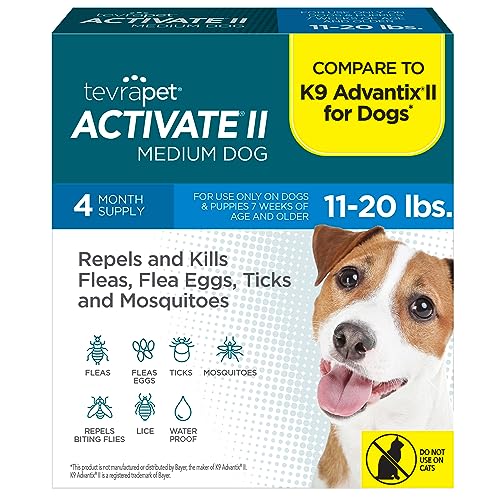
Keeping your canine companion safe from parasites is a fundamental part of responsible pet ownership. In the past, protecting a dog meant juggling multiple topical treatments and oral tablets on different schedules. However, the rise of the flea, tick, and heartworm pill for dogs has revolutionized preventive care, offering a streamlined “all-in-one” solution.
These combination medications are designed to simplify your life while ensuring your dog doesn’t fall victim to life-threatening diseases like heartworm or the relentless irritation of fleas and ticks. But is a single chewable tablet really the best choice for every dog? This guide explores the benefits, potential risks, and top product options to help you make an informed decision for your pet’s health.
What is an All-In-One Parasite Preventive?
For most dogs, veterinarians recommend year-round protection against a variety of external and internal parasites. Until recently, pet parents had to administer separate products: one for heartworms (usually oral), one for fleas and ticks (often a topical “spot-on”), and perhaps another for intestinal worms.
An all-in-one flea, tick, and heartworm pill for dogs combines these functions into a single flavored chew. Leading examples currently on the market include Simparica Trio, NexGard PLUS, and Credelio Quattro. These medications use a blend of active ingredients to target multiple biological systems of parasites simultaneously. While highly convenient, it is important to remember that these are powerful medications that require a veterinary prescription and careful consideration of your dog’s medical history.
The Advantages of Combination Pills
Switching to an all-in-one preventive offers several significant benefits that extend beyond just saving time.
1. Unmatched Convenience
The primary draw is simplicity. Most of these products are formulated as highly palatable flavored chews that dogs perceive as treats. Instead of messy oils or multiple pills, you simply provide one chewable once a month. This ease of use significantly reduces the “human error” factor, such as forgetting a dose or applying a topical incorrectly.
2. Comprehensive Broad-Spectrum Protection
These pills do more than just the “big three” (fleas, ticks, and heartworms). They are typically formulated to also eliminate common intestinal parasites like roundworms and hookworms. Some advanced versions, like Credelio Quattro, even include protection against tapeworms, which are often transmitted when dogs accidentally ingest fleas.
3. Cost-Effectiveness
While the upfront price of a 6-month or 12-month supply might seem high, it is often more affordable than purchasing separate flea/tick and heartworm preventives. Furthermore, the cost of prevention is a fraction of the price of treating a full-blown heartworm infection or a severe flea infestation in your home.
4. Safety in Formulation
By using a single product, you eliminate the risk of negative drug interactions that might occur if you were to mix different brands of separate heartworm and flea medications. These combination pills are rigorously tested to ensure the ingredients work safely together.
Potential Disadvantages and Risks
Despite their popularity, all-in-one pills are not a universal solution. There are specific scenarios where a veterinarian might advise against them.
Unnecessary Medication
If you live in an area where certain parasites are non-existent, your dog might be consuming medication they don’t strictly need. For instance, if your dog has zero risk of tapeworms, giving a pill that includes tapeworm medication monthly might be considered overkill. There is also a minor ongoing concern in the veterinary community regarding parasites developing resistance to overused active ingredients.
Neurological Sensitivities
Most all-in-one pills contain a class of drugs known as isoxazolines (such as sarolaner, afoxolaner, or lotilaner). While safe for the vast majority of dogs, this drug class has been linked to adverse neurological reactions, including tremors, ataxia (unsteadiness), and seizures. If your dog has a history of epilepsy or neurological issues, these products are generally avoided.
Administration Challenges
Because the medication must be ingested to work, it may not be suitable for:
- Picky eaters: Dogs who refuse the flavor of the chew.
- Sensitive stomachs: Dogs prone to vomiting or diarrhea after oral medication.
- Absorption issues: The pill must be fully digested; if a dog vomits shortly after administration, the dose may be lost.
Top Product Options Comparison
When choosing a flea, tick, and heartworm pill for dogs, your vet will likely suggest one of the following “Big Three” products.
| Product | Active Ingredients | Targets | Special Notes |
|---|---|---|---|
| Simparica Trio | Sarolaner, Moxidectin, Pyrantel | Fleas, Ticks, Heartworm, Roundworms, Hookworms | Available in 6 weight-based dosages. |
| NexGard PLUS | Afoxolaner, Moxidectin, Pyrantel | Fleas, Ticks, Heartworm, Roundworms, Hookworms | Beef-flavored; widely praised for palatability. |
| Credelio Quattro | Lotilaner, Moxidectin, Pyrantel, Praziquantel | Fleas, Ticks, Heartworm, Roundworms, Hookworms, Tapeworms | Safe for dogs with meat allergies; must be given with food. |
Essential Questions for Your Veterinarian
Before starting any new medication, a consultation is vital. Your vet will perform a physical exam and a heartworm test (which is mandatory before starting heartworm preventives, as giving them to an already infected dog can be dangerous).
Consider asking:
- “Based on our local climate, which parasites pose the highest risk to my dog?”
- “Is my dog’s current weight and age appropriate for an all-in-one pill?”
- “Given my dog’s medical history, are there any risks with the isoxazoline class of drugs?”
- “What should I do if my dog vomits within an hour of taking the chew?”
Conclusion
The modern flea, tick, and heartworm pill for dogs offers an incredibly effective and convenient way to safeguard your pet’s health. By combining multiple protections into a single monthly dose, pet owners can ensure their dogs remain free from the discomfort of fleas, the dangers of ticks, and the lethality of heartworm disease.
However, no medication is “one size fits all.” Your dog’s lifestyle—whether they are a city dweller or a forest hiker—and their specific health history will dictate the best course of action. Always work closely with your veterinary professional to choose a preventive strategy that provides the best protection with the fewest risks.
References:
- American Heartworm Society (AHS) – Guidelines for Pet Owners.
- FDA – Fact Sheet on Isoxazoline Products for Pets.
- Companion Animal Parasite Council (CAPC) – Parasite Prevalence Maps.