
Lag can be the ultimate boss in any online gaming session, and a poorly chosen Ethernet cable is a common culprit. While the allure of the latest WiFi technologies is strong, for serious gamers demanding the highest reliability and lowest latency, a wired connection remains king. This guide will help you navigate the world of Ethernet cables, ensuring you pick the best one for your gaming needs in 2025, avoiding common pitfalls and understanding what truly matters.
What to Avoid for a Superior Gaming Network
Before diving into the specifics of choosing the right cable, it’s crucial to understand common mistakes that can sabotage your gaming experience.
The Pitfalls of Wi-Fi for Gaming
While convenient, Wi-Fi, even the newest iterations like Wi-Fi 6, 6E, and 7, is inherently more susceptible to latency and ping issues compared to a wired connection. The additional error-checking mechanisms required for wireless transmission, coupled with environmental interference, can introduce delays that are detrimental in fast-paced online games. For the most consistent and reliable gaming, a wired Ethernet connection is the undisputed champion. Learn more about the differences between Ethernet and Wi-Fi.
Terminating Solid Copper for Patch Cables: A Recipe for Disaster
Solid copper Ethernet cable is excellent for permanent, in-wall installations. However, it’s a poor choice for patch cables that require frequent handling and flexing. Attempting to terminate solid copper into patch cords, especially with pass-through RJ45 connectors, creates a significant weak point prone to failure. Stick to using solid copper for bulk runs and opt for stranded copper for your readily usable patch cables. Discover why terminating solid copper for patch cables is a bad idea.
Solid Copper vs. Stranded Copper Ethernet Cable Explained
Understanding the difference between bulk and patch cables is fundamental.
Ethernet Patch Cables
These are pre-terminated cables with 8P8C (RJ45) connectors on both ends, designed for flexibility and repeated plugging and unplugging. They are constructed using stranded copper conductors, making them durable for everyday use. Explore a wide selection of high-quality Ethernet patch cables.
Bulk Solid Copper Ethernet Cable
This type of cable is intended for permanent installations, cut to specific lengths, and terminated onto components like keystone jacks and patch panels. Its solid core offers superior performance over longer distances but lacks the flexibility needed for patch cords. Browse our extensive collection of top-grade bulk Ethernet cables.
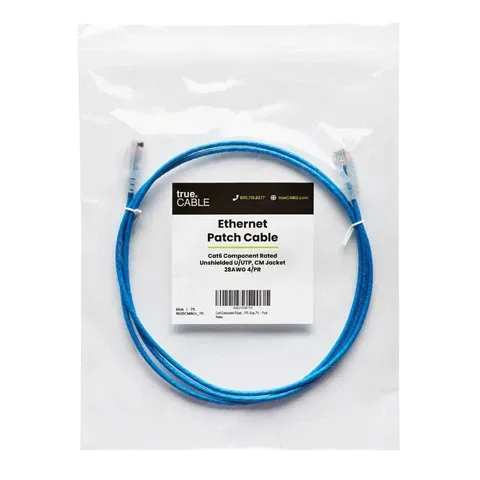
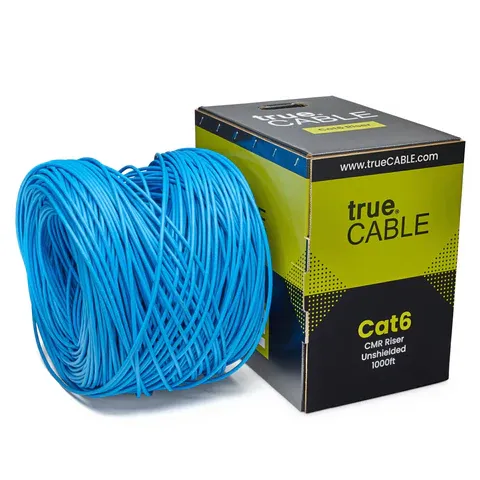 Image of a box of Cat6 bulk Ethernet cable*Solid Copper Bulk Ethernet cable – Ideal for in-wall installations.*
Beware of Counterfeit Cables!
The market is unfortunately flooded with counterfeit and substandard Ethernet cables that can severely degrade network performance. Electrical performance testing has shown that a significant percentage of off-brand, offshore patch cords fail to meet basic industry standards. This can lead to substantial network problems, even if they appear to be high-category rated. Always opt for patch cords from reputable North American manufacturers to ensure reliability and performance. Learn more about eliminating the weakest links in your network.
Choosing the Right Ethernet Cable for Gaming
When selecting an Ethernet cable, especially for gaming, prioritize quality and performance over flashy marketing.
The Importance of Quality Component-Rated Patch Cables
For a direct connection from your router or switch to your gaming console (PS5, Xbox) or PC, a high-quality, component-rated patch cable is essential. While higher category ratings and shielding might seem appealing, they often don’t provide a tangible benefit for typical home gaming setups. The weakest link in your network chain will dictate your performance, so investing in certified, reputable patch cords is crucial. Upgrade your network with certified CAT6 component-rated patch cables.
Understanding Ethernet Categories
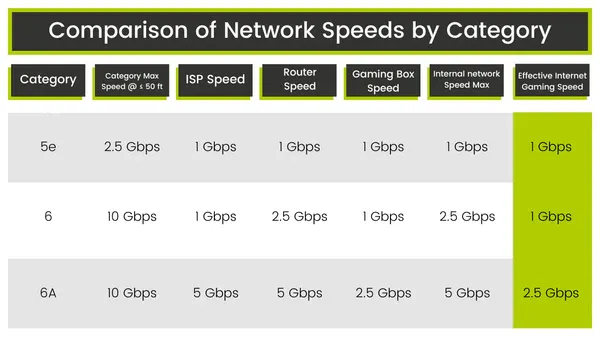
Ethernet cable categories (Cat5e, Cat6, Cat6a, etc.) denote the maximum reliable speed and bandwidth a cable can support under specific conditions. However, for most home gaming scenarios, the limitations are usually found in your equipment or internet service provider (ISP) speeds, not the cable itself.
- Cat5e: Sufficient for most current ISP speeds (up to 1 Gbps).
- Cat6: Recommended for future-proofing and reliable 1 Gbps, 2.5 Gbps, and even 5 Gbps connections. It’s a solid choice for gaming.
- Cat6a and Higher: Generally unnecessary for typical gaming setups. These are more suited for high-speed internal network transfers (e.g., between NAS and PC) or specialized data center applications requiring 10 Gbps or faster.
The key takeaway is that you’ll always be limited by the slowest component in your network. For gaming, focus on a quality Cat6 patch cable unless you have specific high-speed internal networking needs.
Do You Need Shielded Ethernet Cable?
For 99% of home gaming setups, the answer is no. Shielded Ethernet cables are more difficult to install, can introduce grounding issues, and do not increase your network speeds. Only consider shielded cable if you’re in an environment with significant electromagnetic interference and understand the proper grounding procedures. Learn the differences between shielded and unshielded cables.
Selecting the Correct Cable Jacket Type
For indoor residential use, choose cables with CM (Communications), CMG (Communications General), or CMR (Communications Riser) rated jackets. These ratings ensure fire safety within your home. If your cable runs outdoors or through commercial spaces, different, more stringent ratings may be required. Consult our guide on selecting the correct outdoor Ethernet cable.
The Truth About Thin Ethernet Patch Cords
While thinner patch cords offer ease of routing, extremely thin cables (30AWG and 32AWG) are not compliant with industry standards and should be avoided. These thinner conductors struggle to reliably transmit signals over distance and are not suitable for Power over Ethernet (PoE) applications. Opt for patch cords using stranded copper conductors between 24AWG and 28AWG, with 26AWG being a common and reliable choice.
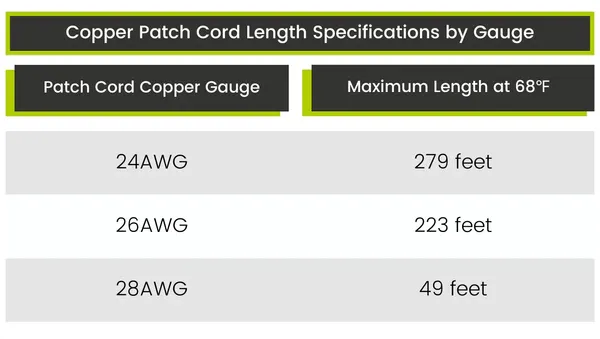 Chart showing maximum patch cord lengths by gauge*Thinner gauges significantly reduce maximum reliable cable length.*
Other Crucial Considerations
- Avoid Marketing Hype: Be wary of outlandish claims and overly flashy packaging. Often, the best performing cables come in simple packaging.
- Stick to Reputable Brands: Avoid unknown manufacturers. Research reviews and be skeptical of suspicious or paid testimonials.
- Look for Certifications: Ensure your cable is stamped with cETLus or UL Listed for fire safety. The jacket should also have its rating (e.g., CM) printed on it.
- Cat7 and Cat8 Realities: Cat7 cables, unless using specific connectors (GG45 or TERA), are almost always counterfeit when terminated with standard RJ45 connectors. Cat8 is designed for very short, high-bandwidth (40 Gbps) connections in data centers and is generally overkill for home gaming. If you need speeds beyond 10 Gbps, fiber optic solutions are typically a better choice. Understand the limitations and applications of different cable types.
Final Verdict: Investing in Your Gaming Experience
Choosing the right Ethernet cable for gaming isn’t just about picking one off the shelf; it requires understanding the key factors that influence performance and reliability. By avoiding common mistakes, focusing on quality component-rated patch cables, and understanding cable categories and specifications, you can ensure a stable, low-latency connection that enhances your overall gaming experience. Investing in a reliable Ethernet cable from a trusted brand, like those offered by trueCABLE, is an investment in your fragging prowess and overall enjoyment of online gaming.
Happy Networking!
trueCABLE provides this information as a service to our customers and website visitors. While we aim for accuracy, this content is not professional advice and any reliance is at your own risk. Please review our terms and conditions for more details.