
Is your dog or cat struggling with bad breath? While it might seem like a minor inconvenience, persistent odor is often the first sign of dental disease—a condition affecting over 80% of adult pets. Proper oral hygiene is essential not only for fresh breath but also for your pet’s overall health and longevity. Maintaining healthy teeth helps prevent painful gums, tooth loss, and systemic infections that can impact the heart, liver, and kidneys. Choosing the right toothpaste is the first step toward ensuring your pet’s smile stays bright and their health intact.
Why Human Toothpaste is Dangerous for Pets
Never use human toothpaste on your dog or cat. Unlike humans, pets swallow toothpaste, and common ingredients such as xylitol can be extremely toxic, causing life-threatening drops in blood sugar and liver failure in dogs. Fluoride, another common ingredient, can upset your pet’s stomach and is toxic in high doses. Always use toothpaste specifically formulated for pets.
Key Features of Quality Pet Toothpaste
Selecting the best toothpaste can feel overwhelming, but focusing on a few critical features will help you make a safe and effective choice.
Enzymatic Formulas: The Secret Weapon
Top-quality pet toothpastes often include natural enzymes like glucose oxidase and lactoperoxidase. These enzymes work to reduce bacteria, break down plaque, and prevent tartar formation. Even after brushing, they continue to protect your pet’s teeth, providing a powerful line of defense against dental disease.
The VOHC Seal: Trust and Assurance
Look for products bearing the Veterinary Oral Health Council (VOHC) Seal of Acceptance. This seal indicates that the product has scientifically demonstrated effectiveness in reducing plaque or tartar. While some excellent products may not have the seal due to the rigorous application process, it remains the gold standard in pet dental care.
Pet-Friendly Flavors
Brushing is far easier when your pet enjoys the experience. Toothpastes come in flavors such as poultry, beef, malt, and seafood. Finding a flavor your dog or cat loves can make dental care a pleasant daily routine rather than a chore.
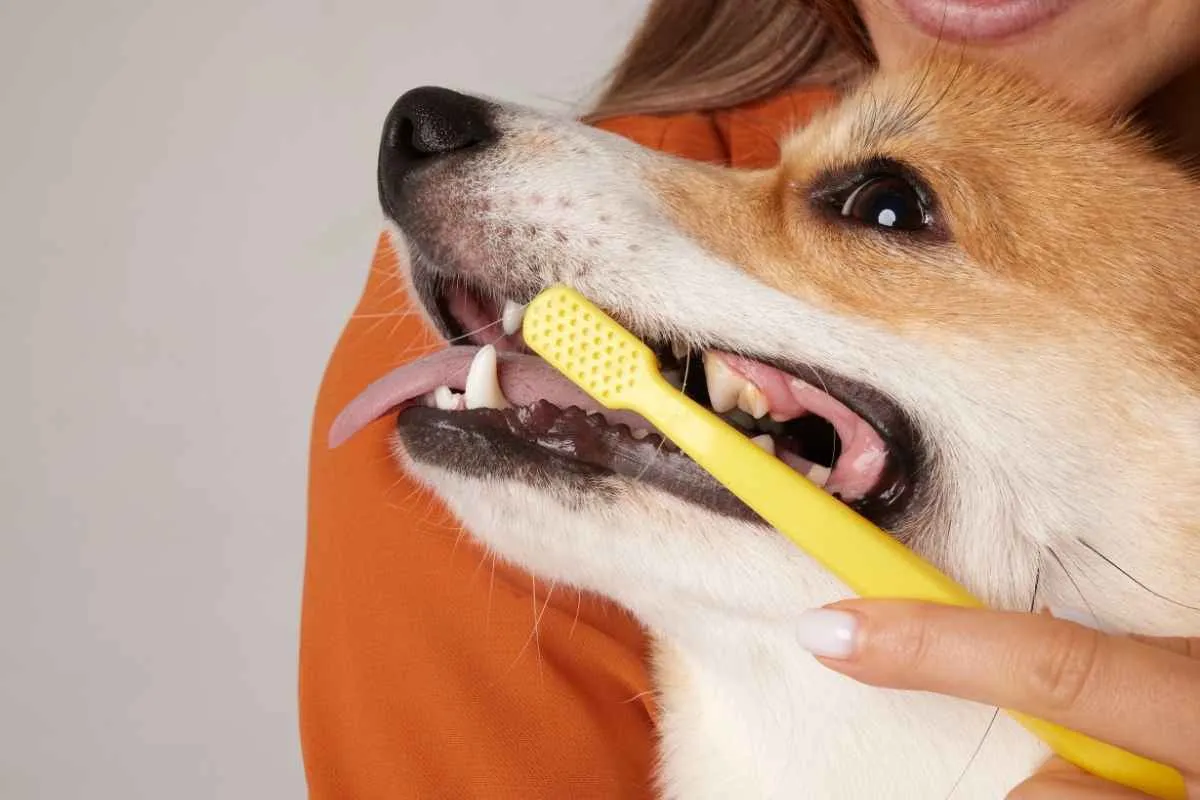
Step-by-Step Guide to Brushing Your Pet’s Teeth
Introducing a toothbrush doesn’t have to be stressful. Start slow and make it positive:
- Introduce the Taste: Allow your pet to lick a small amount of enzymatic toothpaste from your finger.
- Finger Brushing: Gently rub the toothpaste on their teeth and gums with your finger.
- Introduce the Brush: Use a soft-bristled pet toothbrush or finger brush, focusing on the outer surfaces where tartar accumulates.
- Short Sessions: Brush for 30–60 seconds to avoid overwhelming your pet.
- Reward: Praise, toys, or dental treats reinforce a positive association with brushing.
Common Questions About Pet Dental Care
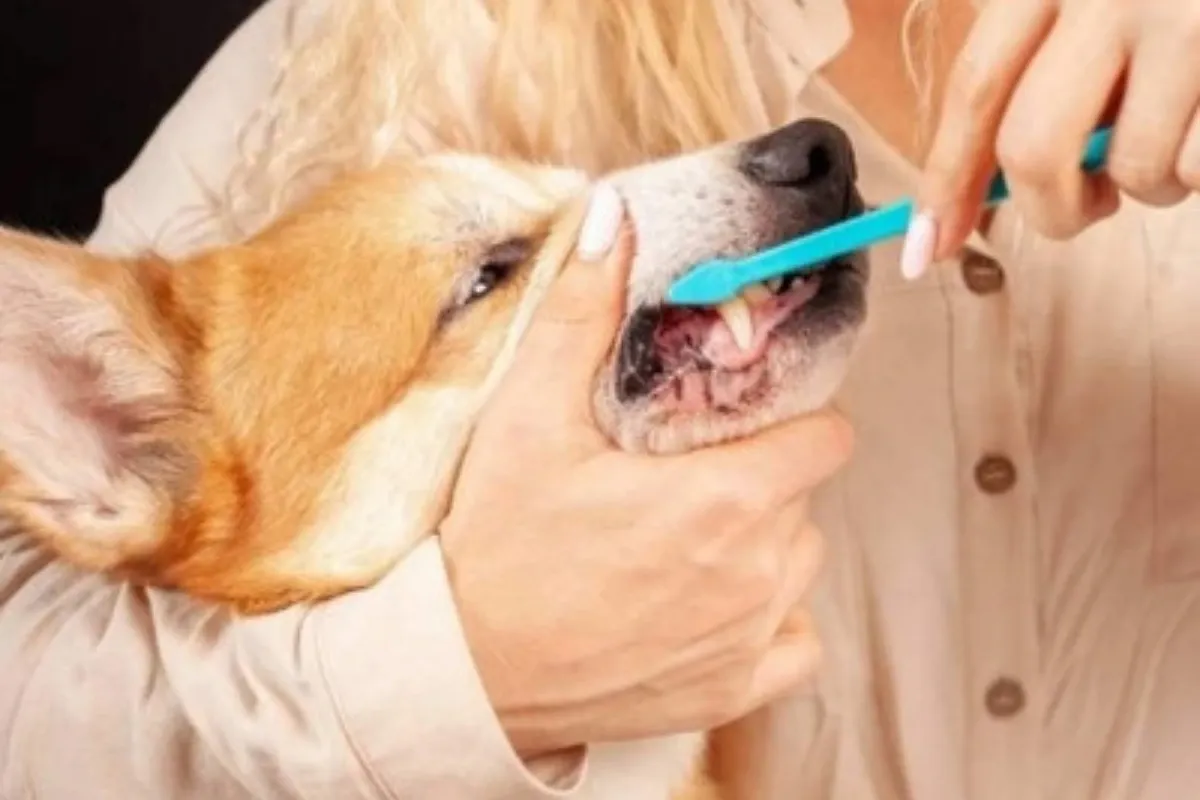
How often should I brush my pet’s teeth? Daily brushing is ideal. If daily brushing is not possible, aim for at least three times a week to maintain meaningful oral health.
Are there alternatives if my pet refuses brushing? Yes. VOHC-approved dental chews, water additives, and dental wipes can supplement brushing, though they are less effective than regular brushing.
Can I use baking soda? No. Baking soda’s high alkalinity can upset your pet’s stomach, and its abrasiveness may damage enamel.
When should I start brushing? Begin as early as possible. Puppies and kittens accustomed to brushing early are more likely to accept it as part of their routine.
Is there a difference between dog and cat toothpaste? Primarily flavor. Many enzymatic formulas are safe for both, but cats usually prefer malt or fish flavors, while dogs prefer poultry or beef. Always check the label for suitability.
What if my pet’s gums bleed? Mild bleeding can occur with gingivitis. Heavy or persistent bleeding requires a veterinarian’s evaluation for potential advanced periodontal disease.
Conclusion: Start Your Pet’s Dental Care Today
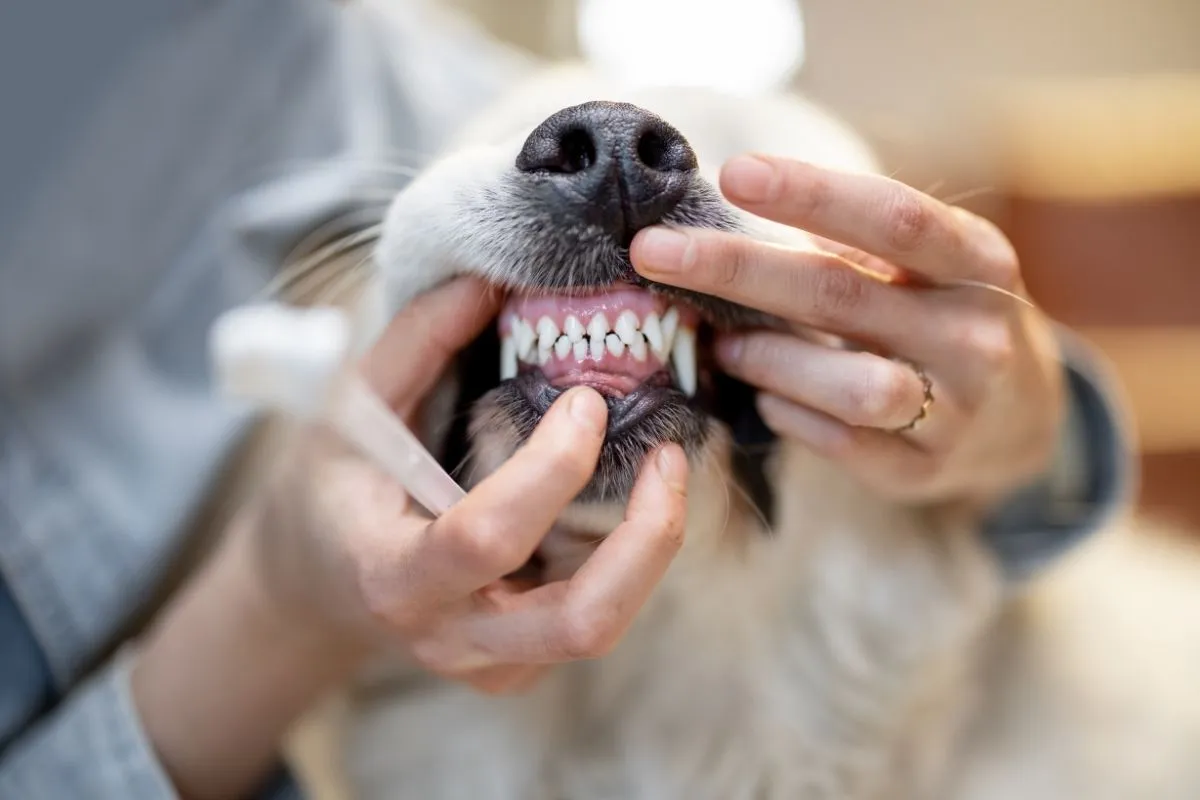
Investing in your pet’s dental hygiene is crucial for their long-term health and comfort. By choosing a safe, enzymatic toothpaste and establishing a consistent brushing routine, you are actively preventing dental disease and pain. Start today and make brushing a positive experience for your pet. For expert guidance and personalized recommendations, consult your local veterinary team and explore trusted resources for pet dental care.
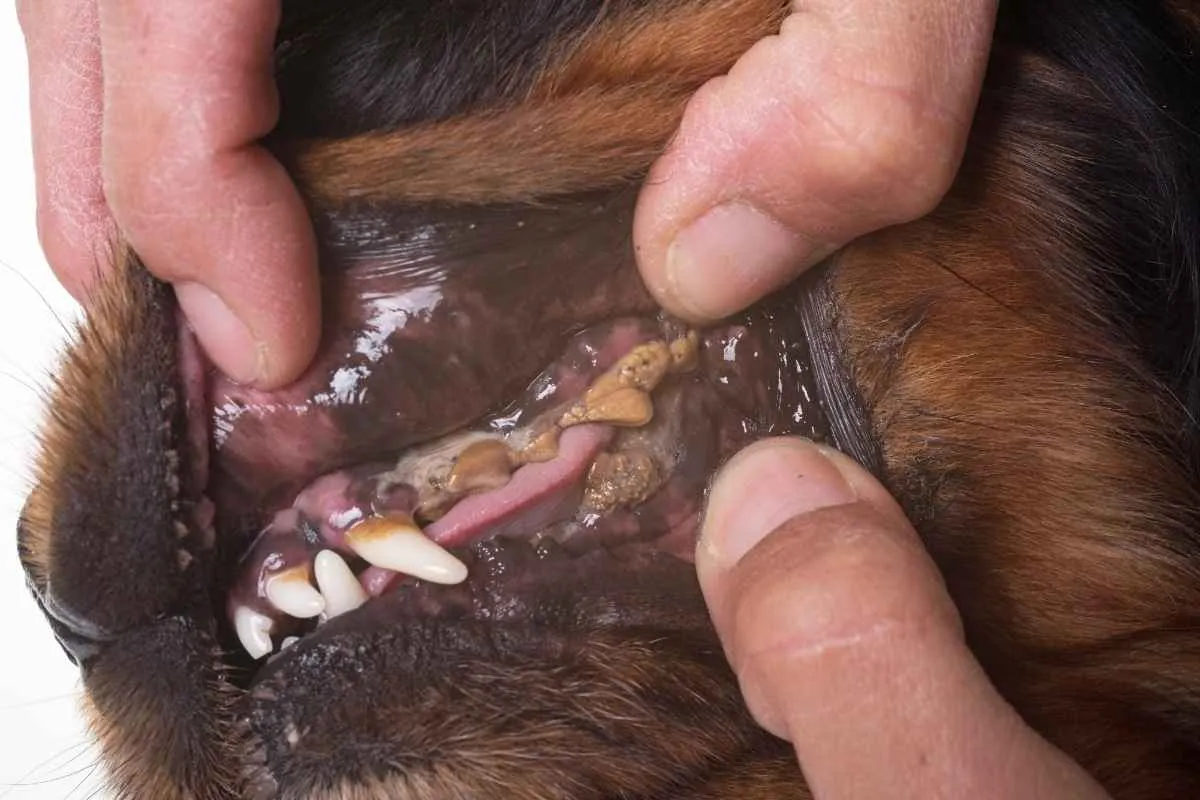 Dog tooth infection symptoms
References:
- Farmington Veterinary Hospital. Best Toothpaste for Dogs and Cats
- Veterinary Oral Health Council (VOHC). Accepted Products
- Farmington Veterinary Hospital. Dog Tooth Infection: Symptoms Every Pet Owner Should Know
- Farmington Veterinary Hospital. The Long-Term Benefits of Regular Veterinary Dental Care
- Farmington Veterinary Hospital. How to Brush Your Dog’s Teeth: A Step-by-Step Guide