
If your aging dog has started struggling with gas, loose stools, or bloating after meals, you’re not alone. Many pet parents find themselves searching for the best senior dog food for sensitive stomach issues once their dog reaches its golden years, and for good reason—what worked fine for years can suddenly become a source of daily discomfort. Choosing the right diet at this stage isn’t just about avoiding upset tummies; it’s about supporting your dog’s overall health, energy, and quality of life as their body changes with age.
Why Senior Dogs Develop Sensitive Stomachs
Aging affects the digestive system in ways that aren’t always obvious until symptoms appear. A slower metabolism means older dogs burn fewer calories, so portion control becomes more important than ever. At the same time, enzyme production tends to decline, making it harder for a senior dog to break down fats and complex proteins the way they once did.
Underlying health conditions can compound the problem. Arthritis medications, kidney disease, and dental issues can all interfere with normal digestion. On top of that, the gut microbiome—the community of bacteria that keeps digestion running smoothly—naturally shifts with age, sometimes leaving the gut less resilient than it used to be. Veterinary nutrition experts note that senior dogs often need diets that balance easy digestibility with targeted nutritional support, rather than simply cutting calories.

What to Look for in a Sensitive-Stomach Senior Formula
When comparing bags at the store or scrolling through options online, a few key traits separate a genuinely helpful formula from an average one. Easily digestible proteins—chicken, turkey, salmon, or lamb—tend to be gentler than beef or pork. Limited-ingredient recipes reduce the number of potential irritants your dog is exposed to at each meal, which matters a great deal for dogs prone to reactions.
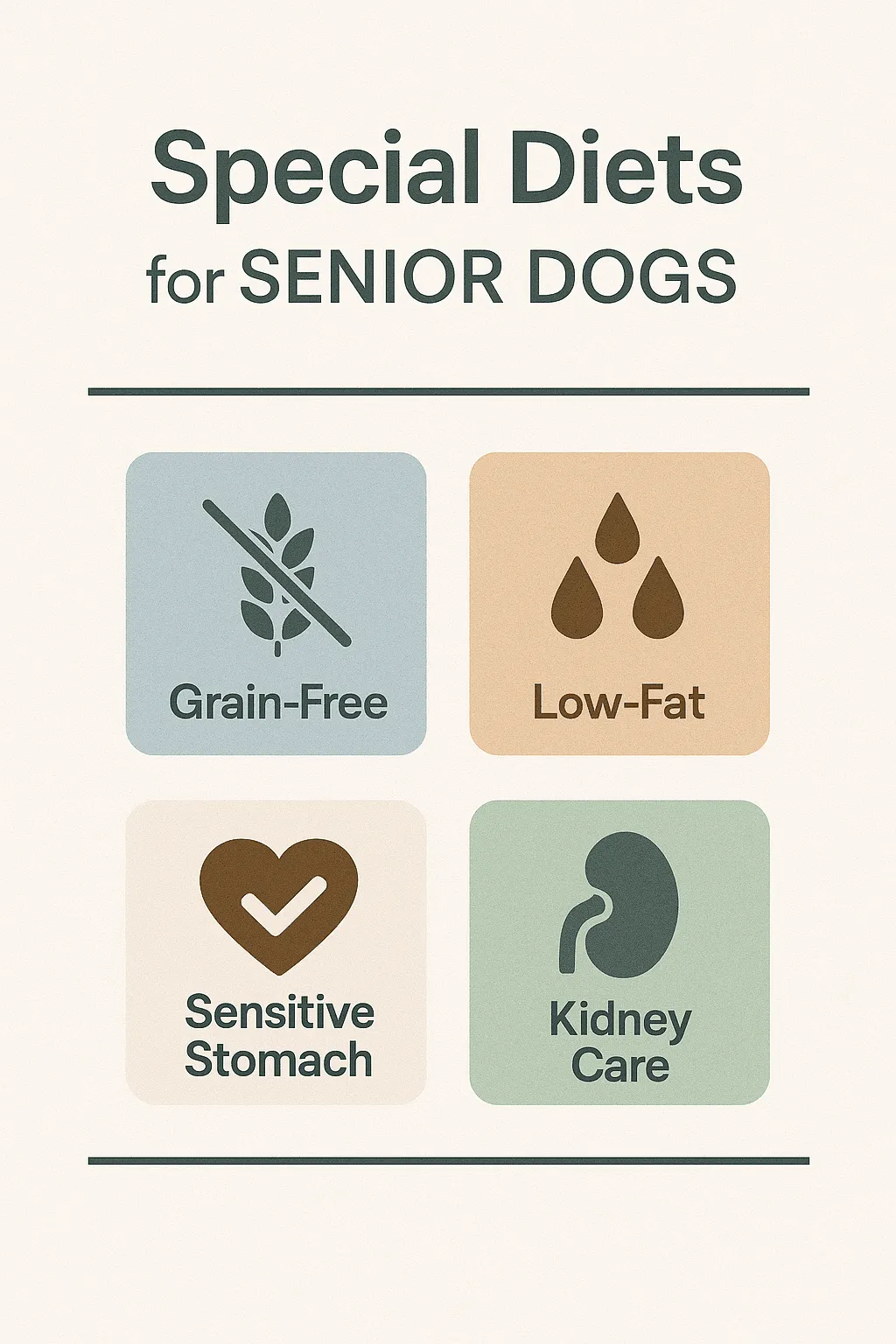
Probiotics and prebiotics are worth prioritizing too, since they help maintain a healthy balance of gut bacteria and can reduce the frequency of loose stools. Added fiber sources like pumpkin, brown rice, or oatmeal help regulate digestion in both directions, while omega-3 fatty acids offer a nice dual benefit: they calm inflammation in the joints and support a healthier digestive tract. Contrary to popular belief, most senior dogs don’t need grain-free food unless a true allergy has been diagnosed—whole grains like rice and barley are often easier on the stomach than many grain-free alternatives.
Ingredients Worth Avoiding
Not every “premium” label on a bag translates to senior-friendly nutrition. High-fat formulas can be genuinely difficult for an older dog to process, and artificial preservatives or dyes offer no nutritional benefit while adding unnecessary risk of irritation. Excessive fillers such as corn gluten meal or soy can also trigger digestive upset in dogs that are already sensitive. Dairy products and heavy legumes are common culprits behind gas and bloating as well, so they’re generally best minimized or avoided altogether in a senior dog’s regular diet.
Choosing Among Trusted Senior Formulas
Several well-established brands have built formulas specifically designed around these principles. Options with easily digestible chicken and barley combinations are popular for dogs needing balanced, all-around digestive support, often fortified with vitamin E and omega-6 fatty acids for coat health alongside gut comfort. Salmon and rice recipes work well for dogs dealing with both skin and stomach sensitivities simultaneously, particularly when fortified with live probiotics.
For dogs with more complex or multiple sensitivities, limited-ingredient formulas built around a single protein source—such as turkey—paired with potato and free from common allergens like chicken, corn, soy, and dairy tend to minimize the risk of reactions while still providing complete nutrition, often with added glucosamine and chondroitin for joint support. Formulas built around digestive enzymes and prebiotic fiber blends suit active seniors who need both gut and heart support, frequently including taurine for cardiac health. For particularly picky eaters or dogs with more severe sensitivities, gently cooked, human-grade fresh food services offer custom portioning based on age, weight, and specific dietary needs, delivered directly to your door.
How to Transition Safely to a New Diet
Even the best senior dog food for sensitive stomach won’t help if it’s introduced too abruptly. Switching foods quickly is one of the most common causes of digestive upset in dogs of any age, but seniors are especially vulnerable. A gradual seven-day transition gives the gut time to adjust: start with roughly a quarter new food mixed with three-quarters old food for the first two days, move to a fifty-fifty split for days three and four, shift to mostly new food by days five and six, and complete the switch to 100 percent new food by day seven.
Alongside the gradual swap, feeding smaller and more frequent meals can ease the burden on a slower digestive system. Keep fresh water available at all times, and resist the urge to introduce new treats or other dietary changes during the transition window—one variable at a time makes it much easier to identify what’s helping and what isn’t.
Common Questions About Sensitive Senior Diets
Many owners wonder whether grain-free food is necessary for a sensitive stomach; in most cases it isn’t, and whole grains like rice or oatmeal are actually gentler unless a vet has confirmed a specific grain allergy. Adding a separate probiotic supplement can be helpful for dogs with a history of chronic diarrhea or recent antibiotic use, even if the food already contains some. Homemade diets can work when properly balanced, but most owners find a high-quality commercial formula easier to manage safely, and it’s always worth consulting a vet before making the switch. As for wet versus dry food, wet options tend to be gentler on digestion and teeth, while dry kibble offers dental benefits, so a combination often serves senior dogs best.
Helping Your Senior Dog Feel Comfortable Again
Finding the right food for a senior dog’s sensitive stomach comes down to a few consistent principles: simple, digestible ingredients, targeted support like probiotics and omega-3s, and a slow, careful transition process. These small adjustments can make a real difference in how your dog feels day to day, easing digestive discomfort while supporting their overall vitality in the years ahead.
If your dog is showing ongoing signs of digestive trouble, a conversation with your veterinarian is always the best starting point before making a permanent switch. From there, choosing a formula built around your dog’s specific sensitivities—and introducing it gradually—can help your senior companion feel more comfortable, energetic, and ready to enjoy their golden years to the fullest.