
Nutrition plays a pivotal role in a dog’s overall health and happiness, and this becomes even more critical when they face health conditions requiring a specialized diet, such as colitis. If your canine companion is experiencing persistent digestive issues, particularly severe diarrhea, and has been diagnosed with colitis, adjusting their diet is a fundamental step in their treatment plan to support their delicate digestive system. This article explores the best dietary approaches for dogs with colitis, covering essential ingredients to include and those to avoid.
The Importance of Diet in Managing Canine Colitis
Diet is an indispensable component of managing colitis in dogs. Continuing to feed foods that trigger the condition will perpetuate bowel issues and diarrhea. Failing to modify their diet can lead to a significant worsening of their condition. Therefore, once a diagnosis of colitis is made, it’s crucial to promptly assess and refine your dog’s diet.
Nutritional Needs for Dogs with Colitis
A diet suitable for a dog with colitis typically possesses the following characteristics:
High in Fiber: Both soluble and insoluble fibers are essential for regulating digestion, promoting regular bowel movements, and improving stool consistency. However, it’s important to note that some dogs with colitis may react negatively to excessive fiber, so consulting with a veterinarian is key to achieving the right balance.
Easily Digestible Proteins: Dogs require protein, but it should be lean and easily digestible. This ensures their body doesn’t have to work excessively hard to break down and absorb nutrients.
Low Fat Content: Fatty foods can aggravate the gut, colon, and digestive system. Inflammation of the intestines, as occurs with colitis, can make fat absorption more challenging.
Recommended Foods for Dogs with Colitis
When considering food options for your dog with colitis, several approaches can be discussed with your veterinarian:
Homemade Diets: Some owners prefer preparing homemade meals to have complete control over ingredients. However, achieving the correct nutritional balance for a dog with specific dietary needs can be challenging without professional guidance. If opting for homemade food, consult a veterinarian or a pet nutritionist.
Prioritize Hydration: Dogs with colitis are at an increased risk of dehydration. Therefore, boosting their water intake is vital. Wet foods contribute to hydration, but dry foods formulated for gastrointestinal issues remain a viable option, especially when softened with warm water or supplemented with oral rehydration solutions.
Grain-Free Dog Food for Colitis Management
Given that common food allergies, such as those to grains, can trigger colitis in dogs, many owners opt for specialized grain-free dog foods. Pooch & Mutt offers a vet-recommended dog food for gastrointestinal issues like colitis, which is completely grain-free. This food features the protein benefits of salmon and herring, includes probiotics and prebiotics to soothe an upset stomach, and contains apple pulp for added dietary fiber.
Explore their vet-recommended dog food for gastrointestinal issues and other tummy-sensitive recipes in their Health & Digestion range. These options include easily digestible, high-fiber ingredients like lean turkey and white fish, along with nutritious vegetables, plus probiotics and prebiotics to support dogs experiencing gut and bowel problems.
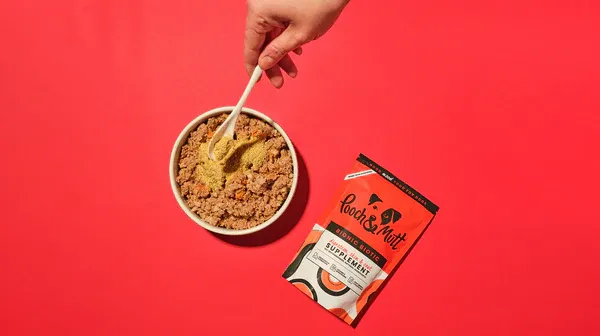
You might also consider incorporating a natural probiotics supplement for dogs, which can be sprinkled over their food. Always confirm your chosen dietary combination with your veterinarian.
Ingredients to Avoid When Managing Colitis
When formulating a new diet for a dog with colitis, it’s crucial to avoid certain foods that can exacerbate their condition and lead to further diarrhea:
High-Fat Foods and Simple Carbohydrates: Fatty dog treats and most human food scraps should be strictly avoided. Sugary, high-fat foods place undue stress on a dog’s digestive system, can worsen colitis, and offer minimal nutritional value.
Common Food Allergens: Ingredients like grains, red meat, or dairy can irritate a dog’s stomach and digestive tract, intensifying colitis symptoms. Sticking to simple, easily digestible ingredients and considering a grain-free diet is advisable.
Inexpensive Dog Food Not Formulated for Digestive Issues: Cheap dog foods not designed for sensitive digestive systems are likely to further distress your dog’s body. These foods often contain high-fat ingredients, preservatives, and sugars that can worsen stool consistency.
Transitioning to a Colitis-Friendly Diet
When you have established a suitable diet for your dog’s colitis, a gradual transition is essential:
Introduce New Food Gradually: Mix a portion of the dog’s old food with the new food to avoid shocking their digestive system. Gradually phase out the old food over a 7-10 day period.
Monitor Behavior: Observe your dog’s behavior during the transition, paying close attention to their bowel movements and any unusual symptoms such as lethargy or bloating.
Consult Your Veterinarian Regularly: Keep your vet updated throughout the treatment process. They can provide guidance, suggest further dietary adjustments, or prescribe medications to ease your dog’s discomfort. Regular check-ups are a vital part of managing your dog’s colitis.
Tailor the Diet: If your dog is reluctant to eat their new food, discuss this with your vet. Palatability can be adjusted to suit your dog’s preferences while still meeting their nutritional needs.
Conclusion
In summary, when managing colitis in dogs, consider these key points:
- Dietary Adjustments are Crucial: Nutrition directly impacts digestive health, making a suitable diet paramount for dogs diagnosed with colitis.
- Focus on Key Nutrients: Plan a diet rich in fiber, low in fat, and composed of simple, highly digestible ingredients. Alternatively, opt for specialized dog food for gastrointestinal issues or sensitive stomachs that has balanced nutrients.
- Incorporate Probiotics and Prebiotics: These are beneficial for managing digestive problems like colitis. Specialized foods often contain these, or you can use a dog probiotic supplement.
- Enhance Hydration: Increase your dog’s water intake by choosing wet foods, using oral rehydration solutions, or ensuring constant access to fresh water.
- Maintain Veterinary Oversight: Regular vet check-ups are essential for dietary advice, medication adjustments, and overall management of your dog’s colitis.
With veterinary guidance and a specialized diet, your dog can experience a significant improvement in their quality of life by mitigating colitis symptoms.
Frequently Asked Questions
Can stress affect my dog’s colitis symptoms?
Yes, stress can significantly impact colitis symptoms and, in some cases, can be the primary cause. If your vet has ruled out other underlying issues and your dog has experienced a stressful event (e.g., moving, surgery, new pet), stress might be exacerbating their digestive problems. Managing stress through a calm environment and consistent routine is beneficial.
Is salmon good for dogs with colitis?
Salmon is a nutritious protein source rich in omega-3 and omega-6 fatty acids. However, due to its moderate fat content, it can be considered risky for dogs with severe digestive issues like pancreatitis. It’s best to discuss salmon consumption with your vet. If feeding salmon, ensure it’s cooked plain, deboned, and without added salt.
What is the difference between IBD and colitis in dogs?
While both conditions affect digestion and bowel function, Inflammatory Bowel Disease (IBD) is a broader term for inflammation across the entire digestive tract, including the stomach, small intestine, and colon. Colitis specifically refers to inflammation of the colon. Colitis can be acute or chronic, while IBD is typically a long-term condition impacting a dog’s ability to digest food.
How long does it take to see improvements after switching dog food?
Improvements can typically be observed within 2-4 weeks after transitioning to a colitis-friendly diet. Monitor your dog’s behavior and bowel movements for signs of improvement and maintain communication with your veterinarian throughout the process.
Are there supplements that can help dogs with colitis?
Probiotic supplements are highly recommended for dogs with digestive issues like colitis. Probiotics and prebiotics help balance gut bacteria, support immunity, and promote healthy bowel function. These can be obtained through food or specifically formulated probiotic supplements for dogs.
Should I avoid feeding my dog treats if they have IBD?
Dogs with digestive issues can still enjoy treats, provided they are healthy and won’t upset their sensitive stomachs. Avoid human leftovers and high-fat, sugary treats. Opt for natural, wholesome dog treats, such as probiotic meaty treats, which can offer added digestive support.
For dogs with digestive health conditions like colitis, consider exploring specialized grain-free dog food for sensitive stomachs, their Veterinary Diets range, and potent probiotic supplements.